Sony's All-Digital Gaming Future Tests Game Ownership
Sony's move toward an all-digital gaming future comes with a catch it would rather you not think too hard about: what you're actually buying. Nearly four out of five PS4 and PS5 game purchases were already digital in the fiscal year that ended in March 2026, and that share climbed to 85 percent in the January-through-March quarter alone, according to Engadget. Starting in January 2028, Sony will stop manufacturing PlayStation discs altogether, meaning every new PS5 game will be a download from that point on, according to The Verge.
Sony frames this as simply following the market. Sid Shuman, senior director of Sony Interactive Entertainment's content communications team, wrote on the PlayStation Blog that the change is "a natural direction" given how far digital preference "outpaces physical discs" now, aligning the platform with how most players already buy games, per Engadget. Buried in that same announcement was something less reassuring: Sony is winding down the digital stores for the PS3 and Vita, which is exactly the scenario that should worry anyone counting on digital ownership to last, per The Verge.
None of this is an argument against going all-digital. The data settles that question. The argument is about what Sony is asking players to accept in exchange: the convenience of digital delivery, minus the ownership rights that used to come with buying a game. Sony can build a genuinely all-digital future and still let people own what they pay for. As of this week, it hasn't done that.
Sony's all-digital gaming future and game ownership
Video of the Day
The shift itself is rational, not just for Sony. Capcom reported that 93 percent of its game sales were digital over the same period, and the publisher expects that to climb to roughly 95.4 percent this fiscal year, according to Engadget. When your biggest partners are seeing numbers like that, discs start to look like a legacy cost, not a product line.
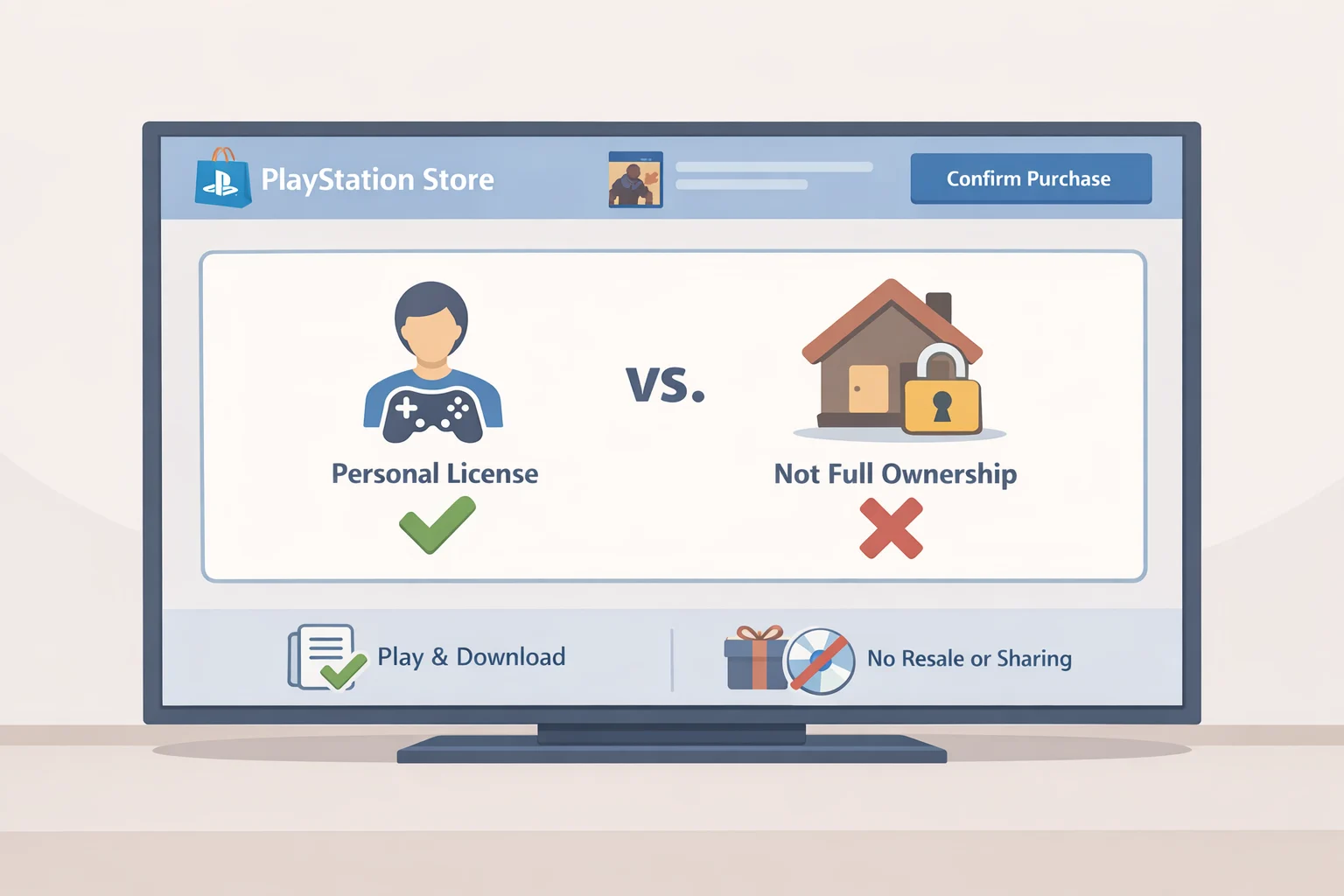
Here's the part that gets less attention. A Sony spokesperson told Game File that "with all digital content, including games, movies, and music, players are purchasing a personal license for non-commercial use," not the game itself, according to Engadget. That's a meaningful distinction. It changes what a customer actually owns once the download finishes, and it's not the kind of thing most people are parsing when they hit "buy."
The industry is moving the same direction outside Sony's walls, too. Rockstar Games announced that when the next Grand Theft Auto ships to retail stores this November, the physical version will just be a code in a box, with no disc inside, per The Verge. Going all-digital is a business decision every publisher is making for the same reasons. Converting a sale into a conditional license is a separate decision, one Sony and its peers are making at the same time, without ever asking customers to distinguish between the two.
Video of the Day
What happens when a PlayStation store shuts down
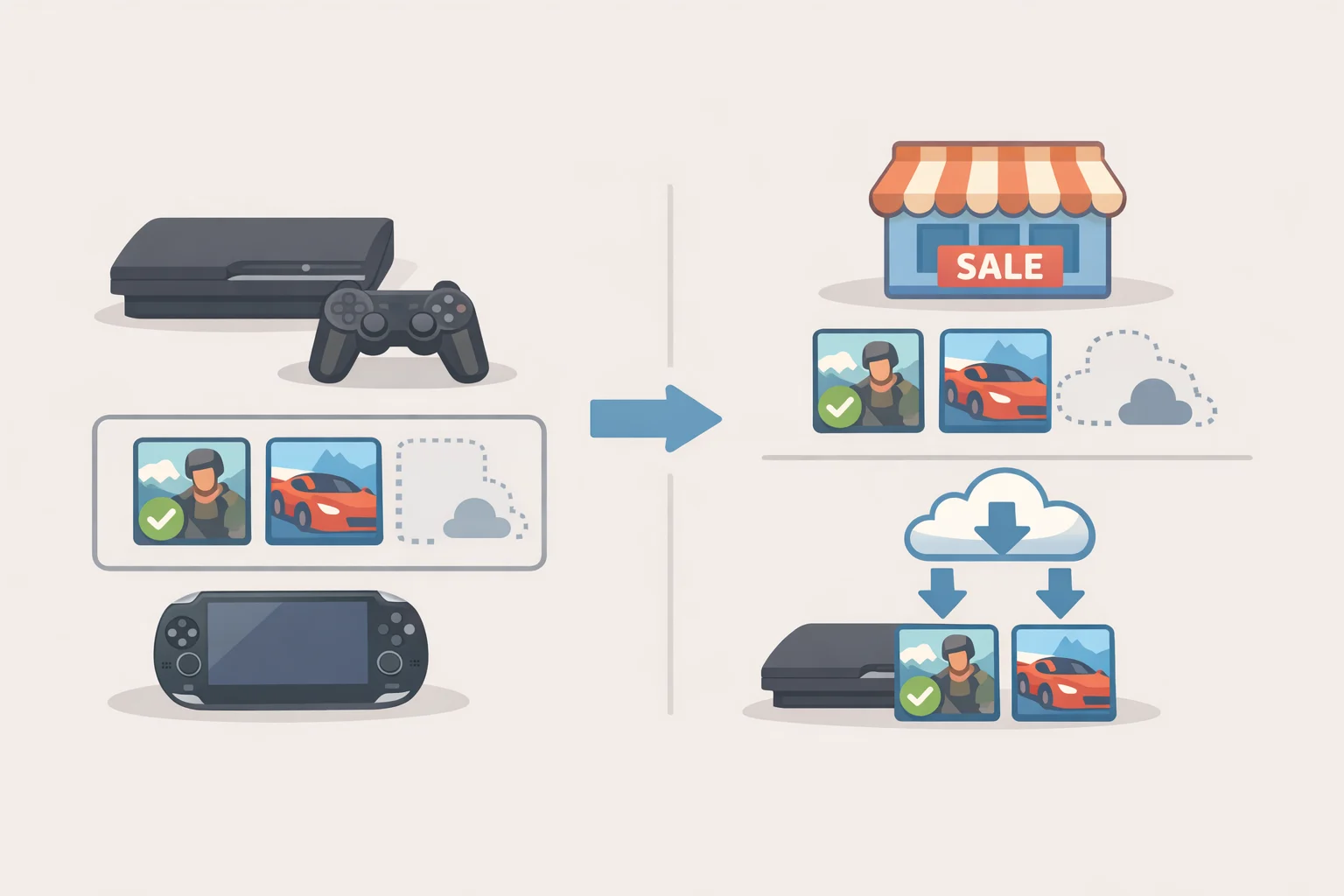
The PS3 and Vita closures aren't a hypothetical. Sony tried shutting those stores five years earlier and reversed course after backlash; this time, the closure is going ahead, per Engadget. That earlier reversal shows public pushback can change platform policy. It doesn't guarantee this round ends the same way.
The stakes are concrete. When VGC analyzed the last attempted closure, it found that roughly 2,200 digital-only games would disappear from sale, and 138 of those weren't available on any other platform, meaning they would effectively vanish, according to Engadget. Sony's offered reassurance is that players will still be able to redownload past purchases "for the foreseeable future" after the closing date, per Engadget. That's a courtesy, phrased with an expiration date built into the language.
The Video Game History Foundation found in 2023 that 87 percent of games released before 2010 were "critically endangered," and the group specifically flagged the long-term volatility of digital storefronts as one of the reasons it expects that number to get worse, per The Verge. Storefront instability isn't the only cause of that erosion, but it's one Sony is actively adding to. "You can own it as long as we keep the lights on" isn't ownership. It's tenancy with extra steps.
The DRM scare that showed how PlayStation licenses really work
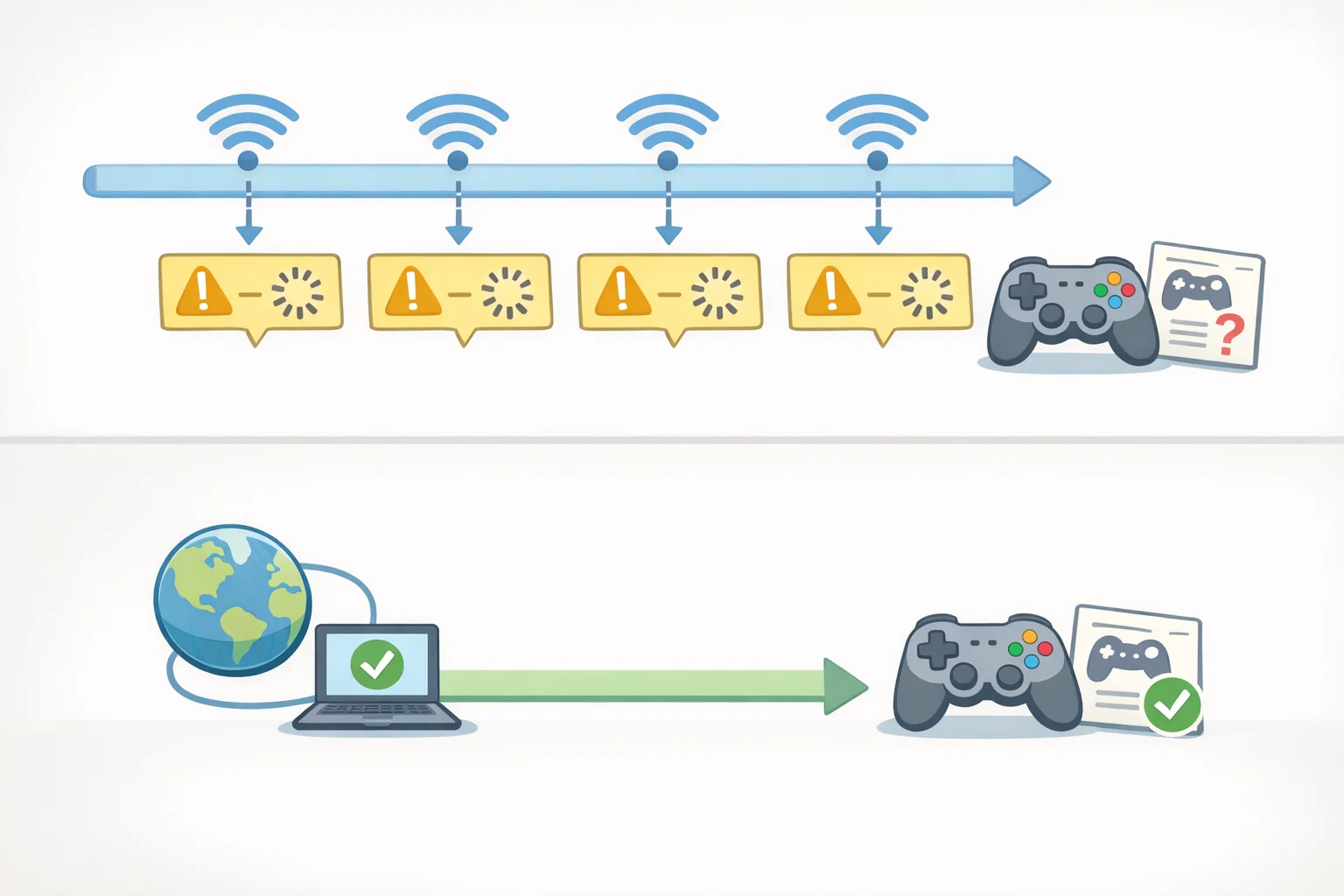
Earlier this year, PlayStation owners noticed something alarming: PS4 and PS5 games appeared to require an internet check-in every 30 days to stay playable. Sony clarified that the check is actually a one-time license verification, not a recurring one, according to Polygon.
That distinction matters, and Sony deserves credit for it. A one-time check is far less restrictive than a monthly one would have been, and Sony says the mechanism exists largely to prevent piracy exploits that trick the store into thinking a game was purchased when it wasn't, per Polygon. Confusing wording caused the scare, not a hidden policy shift, and Sony moved to correct the record quickly.
But the episode still proves the underlying point: access runs through servers, accounts, and platform goodwill, not through possession. A 2025 legal thesis examining licensing versus ownership in digital services describes this as the industry norm, noting that providers retain "unilateral control over key aspects of availability" while consumers believe they've purchased something durable, per Ahmadova's thesis. The same research points to Google Stadia's 2023 shutdown as an illustration: Google refunded what customers had paid, but the access itself simply ended, which is the clearest possible demonstration that access and ownership are not the same thing when the license holder decides otherwise, per Ahmadova's thesis. The gap isn't between digital and physical media. It's between what players think "buying a game" means and what the license actually promises them.
What real digital ownership could look like
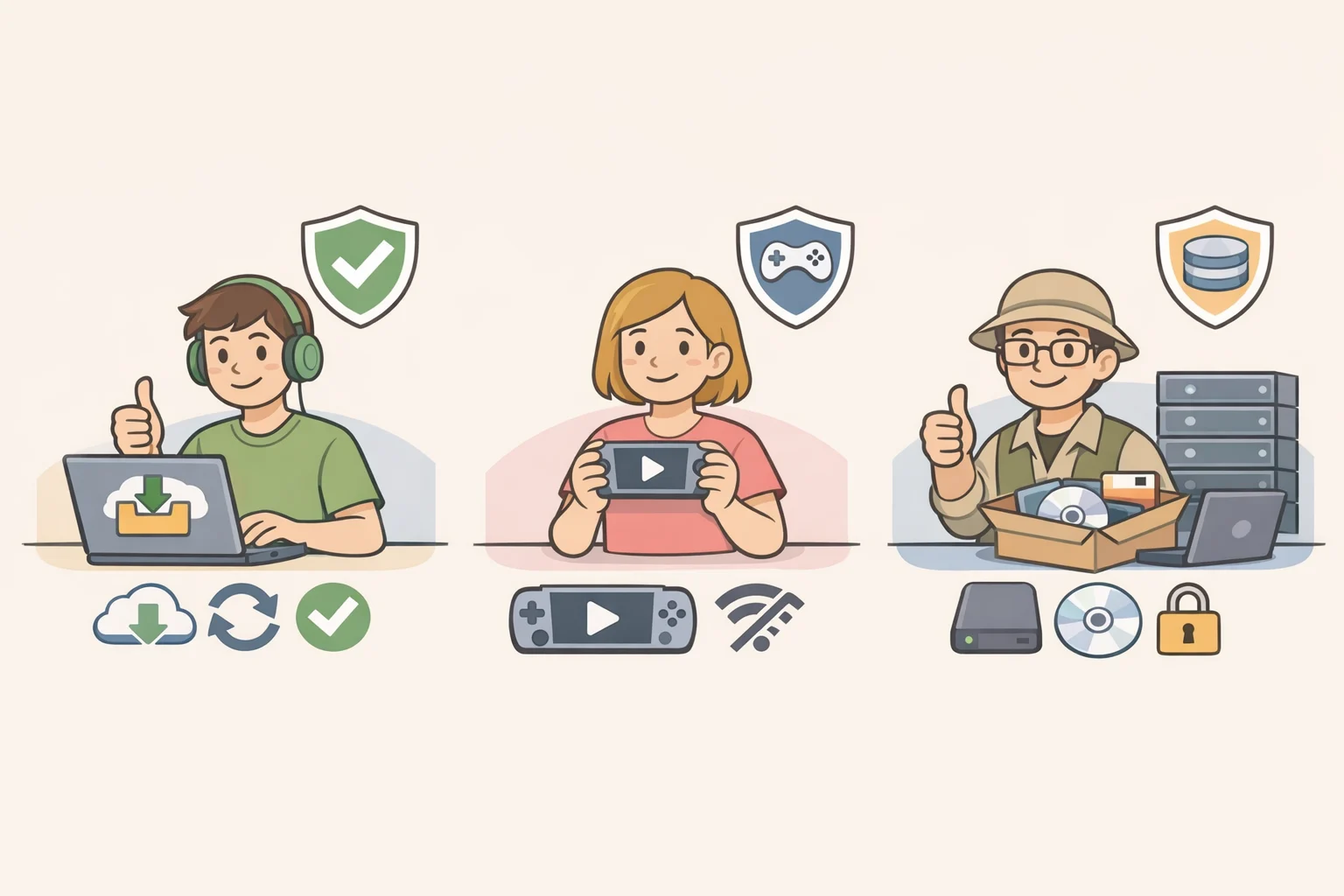
Alternatives already exist, and none of them require bringing back discs. GOG sells its entire catalog DRM-free, letting owners keep and use the files independent of whatever GOG does in the future, per PCMag. Itch.io has said outright that it enforces no DRM at all, telling customers to "buy, download, and never connect to the internet again," per Engadget.
Even Steam, which is technically DRM-based, offers family sharing and refunds, and it lets publishers sell fully DRM-free titles on the same storefront, according to PCMag. Nintendo's Switch 2 game-key cards get criticized for good reason, but they solve a real problem: they let players physically share a digital-only game too large to fit on a cartridge, such as Final Fantasy VII Rebirth, per PCMag.
Preservation groups are already organizing around the gap Sony's announcement widened. The Strong Museum of Play recently announced "Save the Games: A Digital Preservation Symposium," and a preservation advocate quoted by PCMag argued that if platform owners are going to eliminate physical media and shut down older storefronts, trade groups like the Entertainment Software Association need to offer real solutions for archives to legally preserve digital-only content, adding that the ESA has "repeatedly opposed the efforts of cultural heritage institutions to reform digital copy protection laws," per PCMag.
Three specific commitments would close most of the gap between what Sony promises and what real ownership looks like. First, a minimum redownload guarantee stated at the point of purchase, not a vague promise to keep serving files "for the foreseeable future" that can quietly end. That fixes the account-access problem: buyers would know exactly how long they can expect access, instead of trusting Sony's goodwill after the fact.
Second, an offline-play option or an end-of-service patch that lets an already-downloaded game keep working once Sony's license servers stop responding. That addresses the server-dependency problem the spring's DRM confusion exposed: even a one-time license check assumes the servers verifying it will exist indefinitely.
Third, a preservation-access program that lets qualified archives and museums legally maintain playable copies of delisted digital titles after Sony pulls them from sale. That solves the cultural-preservation problem the VGHF numbers describe: games nobody can legally play anywhere, including at the institutions built specifically to keep them alive.
What Sony owes players before 2028
Sony's shift to all-digital is not the fight worth having. The industry numbers, from Sony's own sales data to Capcom's, make that case on their own. The fight worth having is over what a "purchase" entitles a player to once the disc is gone entirely.
Sony has already shown it can move on this. The 2021 reversal on the PS3 and Vita stores proves that public backlash can shift platform policy, and the shift from a rumored recurring DRM check to a one-time verification shows Sony adjusts course when scrutinized closely enough, per Polygon. The models for doing better than "foreseeable future" already exist elsewhere in the industry.
What's missing is a clear ownership charter from Sony before January 2028 arrives: a binding redownload term, license terms stated plainly at checkout, and a preservation pathway for archives once titles get delisted. Digital-only is coming whether players ask for it or not. Whether it arrives with real ownership rights attached is still, for now, a choice Sony hasn't made.