Jony Ive OpenAI smart speaker: screen-free design explained
OpenAI's first hardware collaboration with Jony Ive's design studio LoveFrom is reportedly a doughnut-shaped smart speaker roughly the size of a hockey puck, with no screen and battery power, designed to move around the home rather than remain plugged in one place. The Jony Ive OpenAI smart speaker exists only in reporting so far. OpenAI hasn't announced it, priced it, or shown it to the public.
Bloomberg's Mark Gurman reported the details last week, citing people familiar with the project. The Verge, TechCrunch, and Ars Technica each published accounts last week that attribute the core claims to Bloomberg's reporting and anonymous sources; the research behind this piece does not include independent confirmation beyond that. An earlier Japan Times report from last month described the same project while it remained unannounced.
What the Jony Ive OpenAI smart speaker is reported to look like
Video of the Day
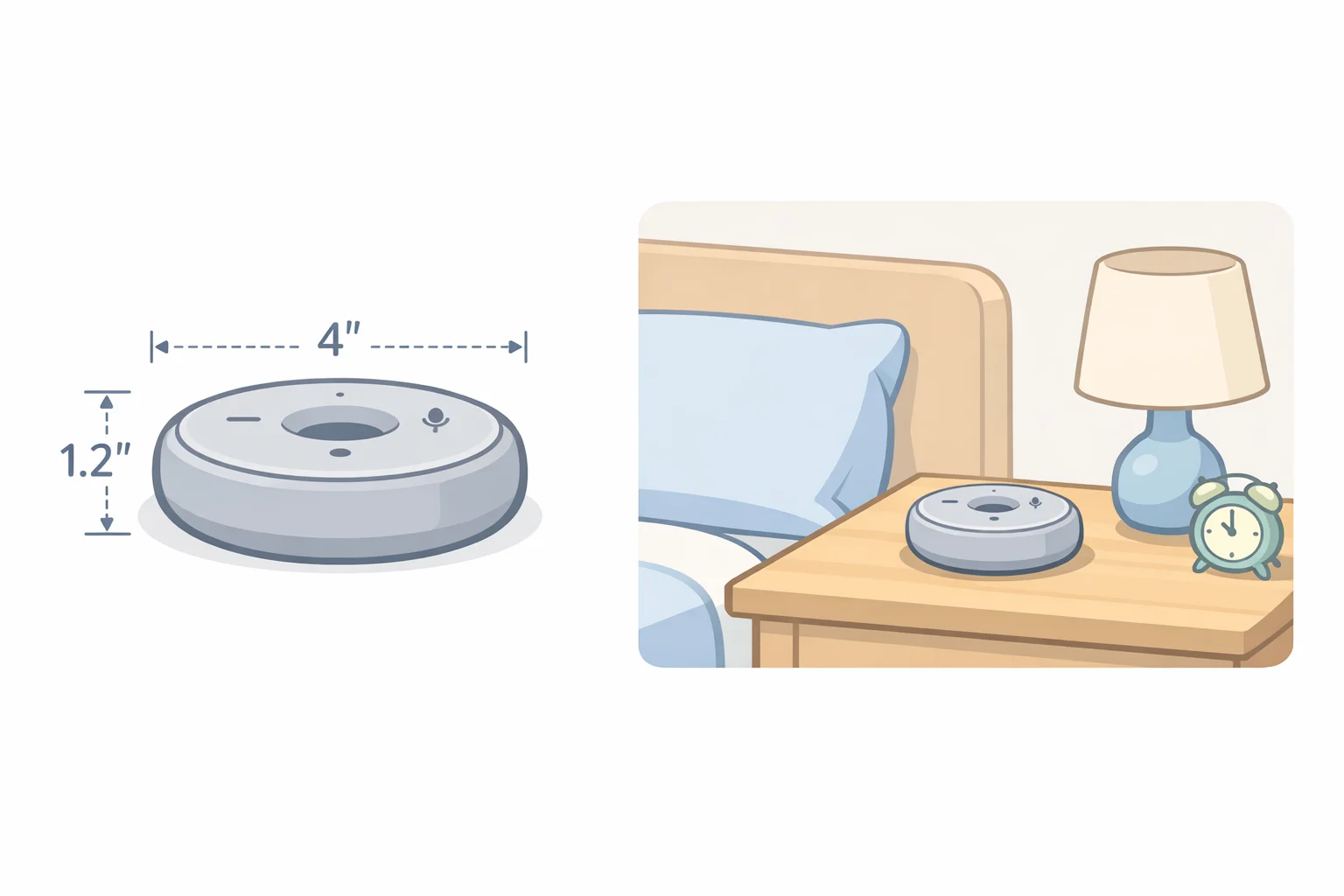
The device is doughnut-shaped, about the size of a hockey puck, built from what sources describe to Bloomberg as "high-quality metal" with a "premium look." It's battery-powered and light enough to move with one hand, according to TechCrunch, which describes it as designed for spots like a bedside table or a kitchen counter.
That portability concept isn't new to consumer electronics. Gurman's sources compare it to Amazon's now-discontinued Tap speaker, a battery-powered device built to travel with its owner rather than anchor to one outlet, according to The Verge. Where the OpenAI donut-shaped speaker reportedly differs is in what it does once it's moved.
Video of the Day
Camera, microphones and moving parts meant to feel "alive"
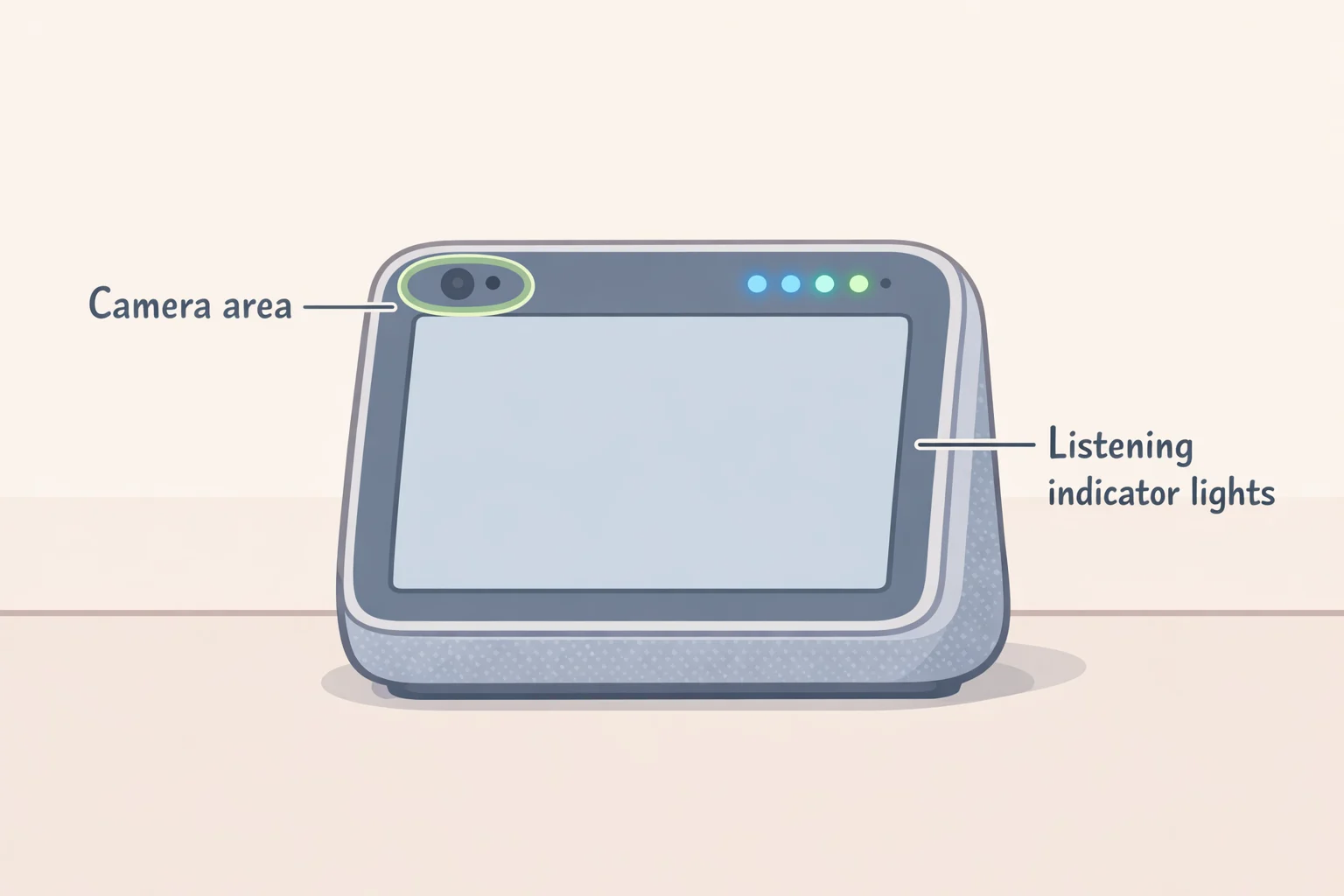
The reported build includes microphones, speaker grilles, and lights that indicate when the device is listening, a fairly standard smart-speaker setup. Less standard: a camera system, which The Verge lists among the device's sensors alongside lights and moving parts. Exactly what the camera captures, and how that feeds into the assistant's responses, isn't spelled out in the reporting reviewed here.
That camera detail turns up in The Verge's account but not in Ars Technica's summary of the same Bloomberg reporting, so it hasn't traveled through the coverage as consistently as the screen-free, portable form factor. Nothing reviewed for this piece confirms it beyond that single mention, and it's worth treating with more caution than the rest of the description.
The stranger detail is mechanical. Parts of the device are reported to move on their own when it's responding to a prompt, a design choice sources say is meant to give the hardware "personality" and make it feel "more alive" than a stationary speaker sitting on a countertop, according to Ars Technica. On the software side, the reported device is said to work similarly to ChatGPT's existing voice mode, but running more advanced models built for humanlike interactivity, per The Verge.
What the device is reported to actually do
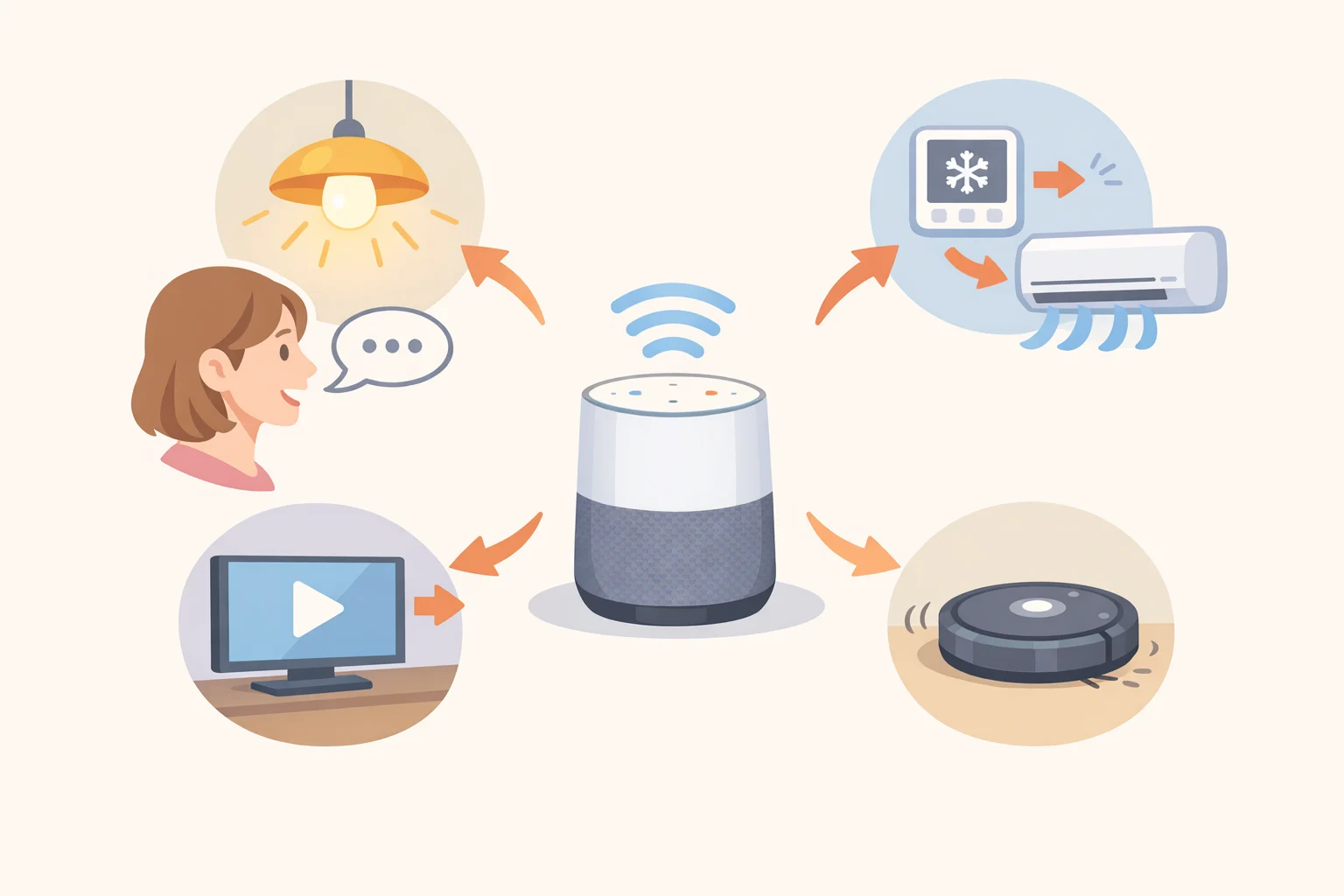
The Japan Times report from last month, citing people familiar with the project, framed the device's intended role in more practical terms: controlling smart-home appliances, playing media, answering questions, and responding to messages, on top of tapping into the broader range of capabilities ChatGPT already offers. Those same sources described the product as meant to function as a humanlike AI companion living inside the home, rather than a conventional voice assistant bolted onto a speaker.
The bet behind a $300 speaker
Controlling smart-home devices and playing media aren't new tricks for a speaker to perform. What's reportedly different here is the combination: a device that travels with the user, a camera among its onboard sensors, and conversational AI aimed at feeling more humanlike than existing voice assistants, per The Verge. Whether that combination adds up to something people actually experience as a companion, rather than a well-machined version of what a smart speaker already does, is a question the reporting hasn't answered.
Price offers one signal of intent. Bloomberg's sourcing puts the device at $300 to $400, according to TechCrunch. The reports don't explain what OpenAI believes would justify that price, or how it plans to distinguish the device from existing speakers on the market.
What remains unknown in the reports so far
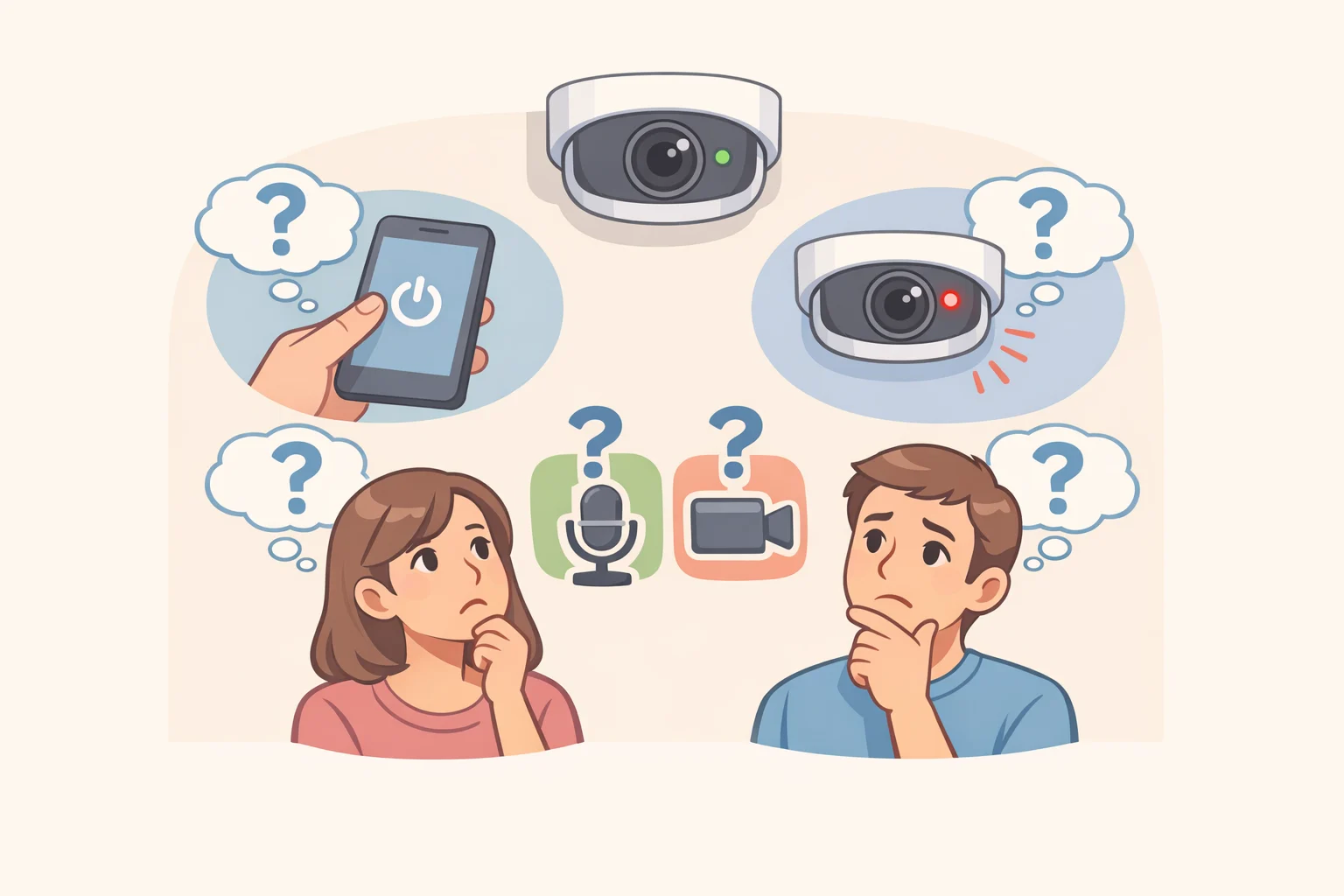
No reporting cited here describes how the camera is activated, whether it runs continuously or only on demand, or what visual signal, if any, would tell someone in the room that it's capturing images. The listening lights mentioned by Ars Technica cover audio, not video, and nothing in the current coverage addresses that gap directly.
The reports cited here also don't say where processing happens, on the device or in the cloud, what data OpenAI would retain, or whether recordings could feed back into model training. Those specifics simply haven't surfaced in the coverage reviewed for this piece.
Basic specs are missing too. Battery life, charging method, microphone range, and whether the device needs a ChatGPT subscription to function, or just to unlock extra features, don't appear anywhere in the reporting. None of this points to a problem with the product; it just means a lot of the practical detail that would let someone judge a $300-plus, always-nearby sensor device hasn't surfaced publicly yet.
OpenAI AI speaker release date: unveiling in 2026, launch in 2027
Bloomberg's reporting points to an unveiling later in 2026, with a consumer launch targeted for 2027, according to Ars Technica. That same 2027 window shows up in separate write-ups from The Verge and TechCrunch, though both are relaying the same underlying Bloomberg sourcing rather than adding independent confirmation.
There's a caveat attached to that timeline. Bloomberg's own reporting notes that OpenAI's ongoing lawsuit with Apple could affect these plans, though the available coverage doesn't say how, according to Ars Technica. Gurman's sources also told him the device will look and feel nothing like an Apple product, despite the litigation and despite Ive's own Apple pedigree, per The Verge.
As of last month, the project remained unannounced and still under development, according to people familiar with the matter cited by The Japan Times.
What to watch next
The coverage converges on a rough shape: a screen-free, portable speaker using motion and lights to feel less like an appliance sitting on a shelf and more like something paying attention to the room, with at least one outlet also describing a camera among its sensors. OpenAI hasn't confirmed any of it, and Ars Technica's version of the same Bloomberg reporting skips the camera entirely, a reminder that even this converging picture rests on secondhand summaries of a single source.
What happens next will test how much of it holds up: confirmation from OpenAI or LoveFrom, details on how the camera works and what privacy controls come with it, whether a ChatGPT subscription is required to use the device, real battery and charging specs, and whether the 2027 launch target survives contact with OpenAI's legal fight with Apple. None of that seems likely to arrive before the reported unveiling later in 2026, which means the gap between what's rumored and what's confirmed will probably stick around for a while yet.