Fire Emblem Fortune's Weave preview: fixing route fatigue
The major previews agree on one detail: Fire Emblem Fortune's Weave lets players move between all four of its major storylines inside a single save file, instead of forcing the one-faction, one-playthrough commitment that defined Fire Emblem: Three Houses (RPG Site, last week; VGC, last week). That's the pitch behind what's shaping up to be Nintendo's most structurally ambitious Fire Emblem yet.
Fire Emblem: Fortune's Weave launches exclusively on Nintendo Switch 2 on September 17, with a Dagdan Collection edition bundling a steel case, character art cards, a map of Dagda, and an artbook (Nintendo, earlier this month). Ahead of that release, The Verge, Polygon, Nintendo Life, and VGC each published hands-on impressions last week after spending meaningfully different amounts of time with the opening chapters: The Verge logged 26 hours, Nintendo Life put in more than 20, and Polygon covered 10, while RPG Site played through chapter five of each of the four heroes' routes without specifying a total (The Verge; Nintendo Life; Polygon; RPG Site, all last week). Taken together, these Fire Emblem Fortune's Weave impressions give the clearest read yet on whether the four-hero pitch holds up in practice.
None of this adds up to a full review. The available previews do not establish how the final campaign resolves, or how much genuine variation exists between routes once the opening chapters give way to the rest of the game. What follows is a read on how the four-hero system actually works, whether it fixes the specific problem fans had with Three Houses, what the surrounding gameplay looks like, and where the ambition creates risk instead of solving it.
Fire Emblem Fortune's Weave story structure: how the four heroes connect
Video of the Day
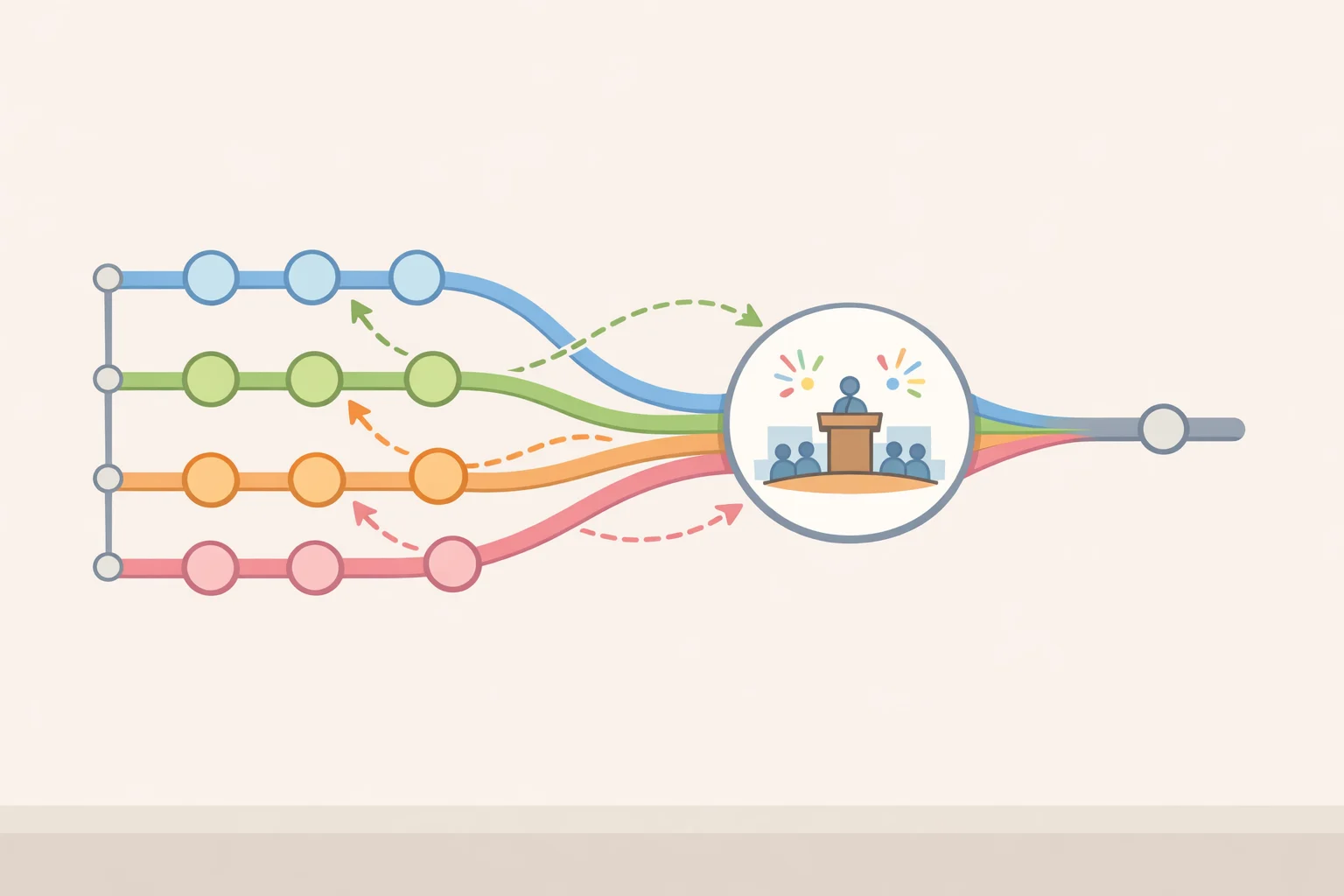
Players can jump between four protagonists, Cai, Dietrich, Theodora, and Leda, within one save file, and every bit of progress carries over when they switch (RPG Site, last week; VGC, last week). The framing story gives that mechanic a reason to exist. A customizable avatar named Eshmel opens the game in a future wrecked by a revived demon lord, then travels back to an event called the Heroic Games using the goddess Fortuna's magic to bend causality across different versions of reality (The Verge, last week; RPG Site, last week).
RPG Site's preview adds a detail worth sitting with: the four routes aren't happening at the same time within one timeline. They're different versions of the same event, seen through different eyes (RPG Site, last week). That reframes route-hopping as something closer to narrative intent than a convenience bolted on for player comfort, and it explains why switching characters doesn't break continuity the way it might in a simpler branching-path game.
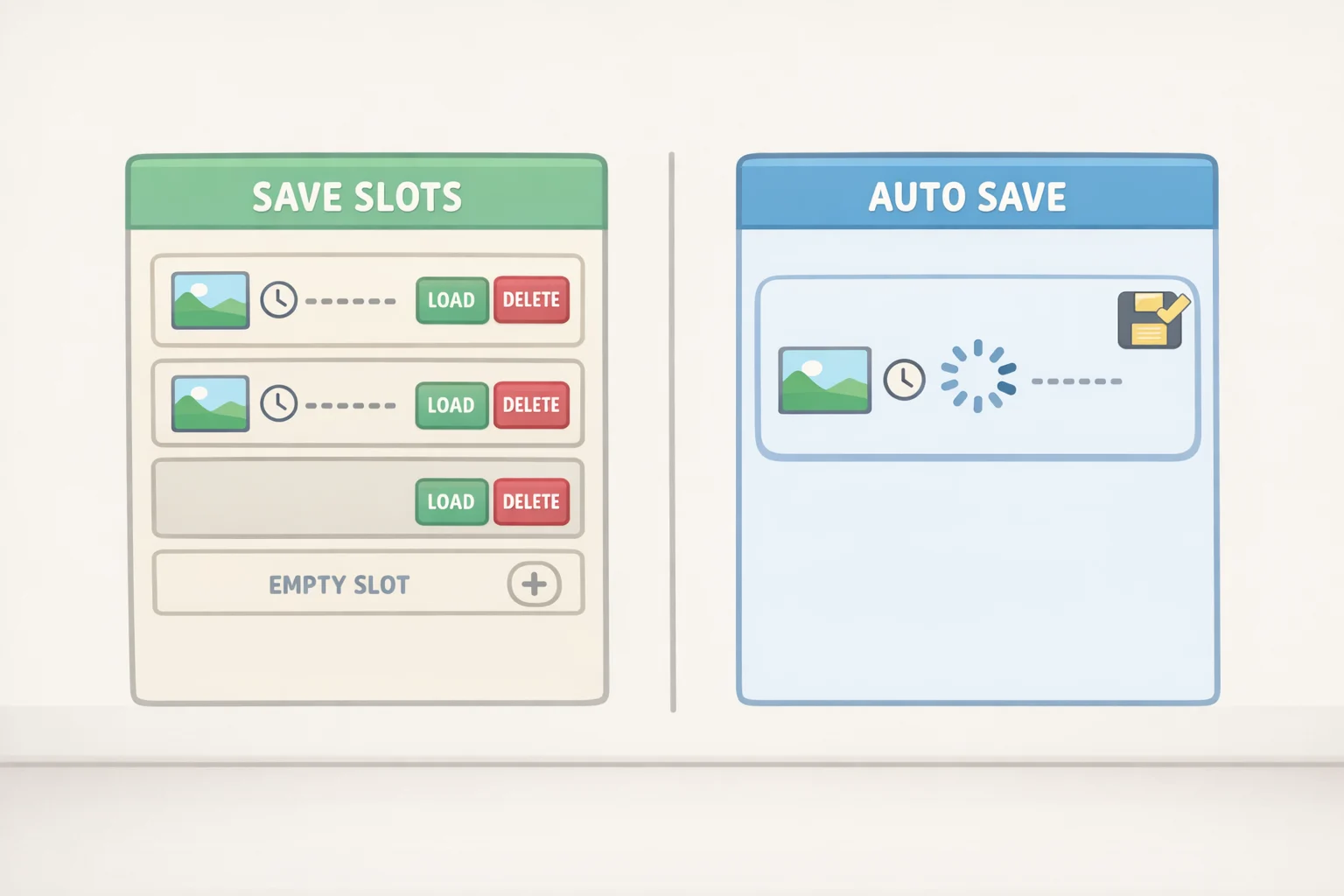
The narrative explanation makes switching plausible, but the save system makes it consequential. There's only one save slot, and the game autosaves over it aggressively and often, with no rotating save slots the way Three Houses offered (RPG Site, last week). That means the freedom to sample four heroes comes at the cost of a freedom players already had: the ability to keep separate save files, test a risky decision, and roll it back if it went badly. Every choice sticks immediately, on whichever route a player happens to be on. Fortune's Weave trades commitment anxiety for a different kind of caution.
Video of the Day
Fire Emblem Fortune's Weave vs. Three Houses: does swapping heroes fix the completionism problem?
The friction Fortune's Weave is answering is real and specific. Three Houses asked players to commit to a single faction for a campaign of around 50 hours, and The Verge's preview writer admits to never going back to see how the other paths played out (The Verge, last week). RPG Site frames the new structure explicitly as a response to that fatigue, noting it seems aimed at completionists who burned out trying to finish every route in the older game (RPG Site, last week). Players can now finish as many or as few of the four opening campaigns as they like before everyone converges on a shared final campaign.
But that's a different fix than it might sound like. Three Houses made players replay a fifty-hour campaign from scratch to see a second faction's story. Fortune's Weave lowers that switching cost to a menu selection, but it doesn't necessarily lower the amount of overlapping content a player sits through to get there. The completionism problem isn't eliminated so much as repriced: it costs less time per route, but the routes themselves may ask players to repeat quests, battles, and cutscenes already seen through another hero's eyes.
The four leads still read as distinct people rather than reskins of the same story, which matters for whether jumping between them feels worthwhile at all. VGC reports each protagonist feels fully realized, with a motivation that shapes how their opening chapters unfold (VGC, last week):
- Cai wants to free his imprisoned father.
- Leda is hunting the man who killed hers.
- Theodora is trying to build standing for her young nation and its goddess.
- Dietrich washes ashore in Dagda and joins the games partly for the thrill of it; Nintendo Life describes him as also hunting the creature that stranded him there (Nintendo Life; RPG Site, both last week).
Whether that promise survives actual play is a separate question. The Verge reports that the early game's basic structure repeats across paths, down to shared quests, battles, and cutscenes (The Verge, last week). So the fix for Three Houses's commitment problem is real, but it doesn't automatically make route-switching feel like four different games. In the early hours, it can feel like one game narrated by four different people. Combined with the single-save constraint, this is the article's central tension: a structural answer to one kind of fatigue that may introduce a quieter version of the same fatigue, spread across characters instead of concentrated in one campaign.
What would resolve that tension in the game's favor is fairly easy to name, even if it's too early to confirm. Route-specific recruitment that meaningfully changes a squad's composition, character arcs that diverge rather than reconverge, and a shared final campaign whose content actually shifts based on how many of the four perspectives a player finished, would all argue that the width is generous rather than padded. RPG Site notes the stated goal across all four routes is recruiting soldiers for that eventual final campaign, which at least suggests completion is meant to count for something (RPG Site, last week). Whether it counts for enough is still unanswered.
Fire Emblem Fortune's Weave gameplay: hub city, calendar, and combat changes
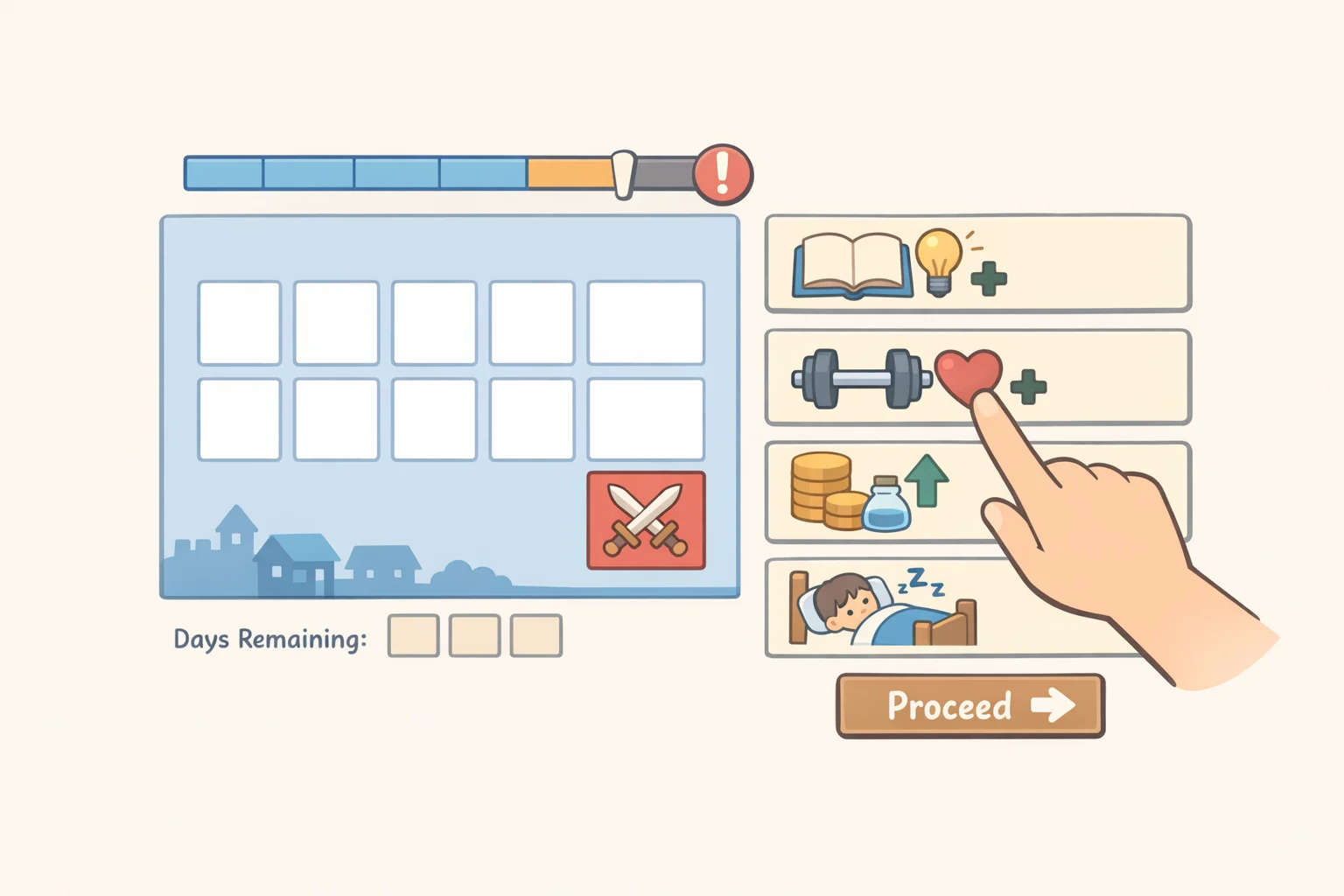
Outside the story structure, Fortune's Weave borrows a rhythm familiar to anyone who has played a Persona game. The capital city of Dagsion serves as a hub where players get a calendar deadline ahead of each major battle and decide how to spend the days in between: training, building relationships, or heading out to explore (The Verge, last week). Nintendo Life clocked roughly 70 in-game days in one early stretch and described the pressure of filling them as an "addictive challenge" rather than a chore (Nintendo Life, last week). VGC adds that certain activities, like serving the game's gods, sharing meals to build support bonds, or giving gifts to potential recruits, only refresh weekly, which pushes players to check back into the hub regularly rather than ignore it (VGC, last week).
Combat splits into two distinct modes serving different purposes. Dungeon encounters use a fast turn-based format called Clashes, where a five-person squad manages a set amount of Link Points and most fights resolve in under a minute (RPG Site, last week). VGC is blunter about what that trade-off costs: Clashes strip out most tactical decision-making in favor of resource management, essentially asking players to track health and magic rather than plan positioning (VGC, last week). Weaker enemies can be dispatched instantly just by striking them in the overworld, which keeps dungeon crawling from dragging.
Standard tactical battles, the ones that made the series' reputation, get a bigger overhaul. The long-standing weapon triangle is gone again, replaced with new rules: axes trade accuracy for raw damage, swords hit harder on follow-up attacks, and lances now carry a built-in bonus against cavalry instead of requiring a dedicated anti-horse weapon (Polygon, last week). Polygon also reports combat animations and unit movement run roughly twice as fast as they did in Three Houses, which changes the pacing of even routine engagements. Layered on top of both combat modes are new Blaze Art abilities, powerful attacks that cost a hero their own HP to use, giving players a genuine gamble to weigh on top of standard positioning and stats (Nintendo Life, last week).
None of this looks like Intelligent Systems simply shortening four routes and calling it a day. The calendar system, the split combat modes, and the HP-gambling abilities all point toward a broader rebuild of how often the game asks players to make a decision, not just how many storylines it offers.
The cost of ambition: scale, repetition, and what's still unproven
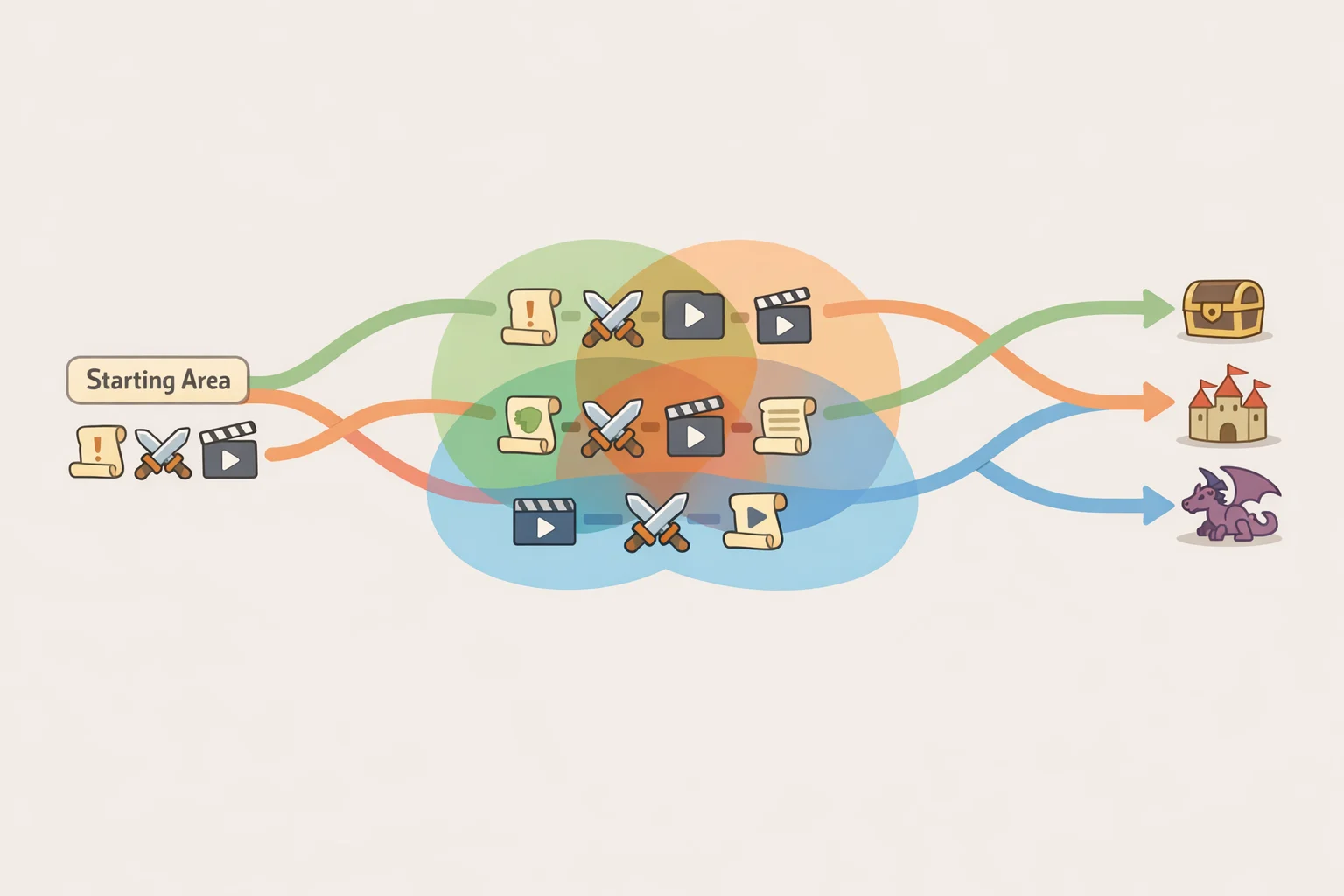
The scale here is unusual even by Fire Emblem standards. VGC estimates each of the four first-part routes can run close to 24 hours on its own, before a second story section even begins, and describes the overall game as "wide" rather than simply long (VGC, last week). That width is a selling point if the content stays varied. It's a liability if it doesn't.
Early pacing complaints suggest the game hasn't fully solved that risk yet. The Verge found the opening hours slow, with players controlling a fifth protagonist through tutorial missions before any of the four main heroes even become playable (The Verge, last week). Nintendo Life separately flags recurring five-to-ten-minute dialogue scenes as tedious, even for a reviewer who came away enjoying the story overall (Nintendo Life, last week).
Whether the back half pays off the setup is a question none of these previews can answer. VGC's own review, due before the September 17 launch, is what will determine whether the rest of the game maintains the promise of its early hours (VGC, last week).
Polygon's framing is the most optimistic of the four, and it's worth preserving exactly how hedged that optimism is. The outlet ties Fortune's Weave to Awakening, the game that saved the series 14 years ago while also leaving it with what Polygon calls a curse of repetitive design; after 10 hours, its writer says Intelligent Systems "might've figured out how to break the curse" (Polygon, last week). That's a "might," not a verdict, and it's worth treating it that way until a full playthrough exists.
The decisive test for Fortune's Weave isn't really the four opening routes at all. It's what they build toward. The stated goal of each campaign is recruiting soldiers for a shared final chapter, which means the structure already has a built-in incentive for finishing more than one hero's story (RPG Site, last week). Whether that final campaign genuinely changes shape depending on which routes a player completed, and whether the recruitment and character arcs diverge enough to make four playthroughs feel like four stories rather than one story wearing four faces, is what will separate "wide" as a compliment from "wide" as a polite word for repetitive. Right now, the clearest evidence points toward real overlap in the early hours. Whether that overlap resolves into something purposeful is a question only a finished playthrough, not a preview, can answer.