Fitbit Edge fitness tracker: price, specs, and release date
Google officially unveiled the Fitbit Edge fitness tracker today, positioning the device squarely between the screenless Fitbit Air and the $350 Pixel Watch 5 (The Verge). It starts at $179.99, with pre-orders open now and retail availability beginning October 27 (Google). It's Google's second Fitbit launch this year (Ars Technica).
The Verge frames the Edge as Google's answer to "smartwatch fatigue," built for people who want notifications and serious health tracking without committing to a full smartwatch (The Verge). Ars Technica describes it as essentially a new Charge 6 with more of a Pixel Watch look, replacing a model Google hadn't updated in three years (Ars Technica; WIRED). It borrows the Pixel Watch's tile-based interface, but runs a redesigned version of Fitbit OS rather than Wear OS (The Verge).
Fitbit Edge price and release date
Video of the Day
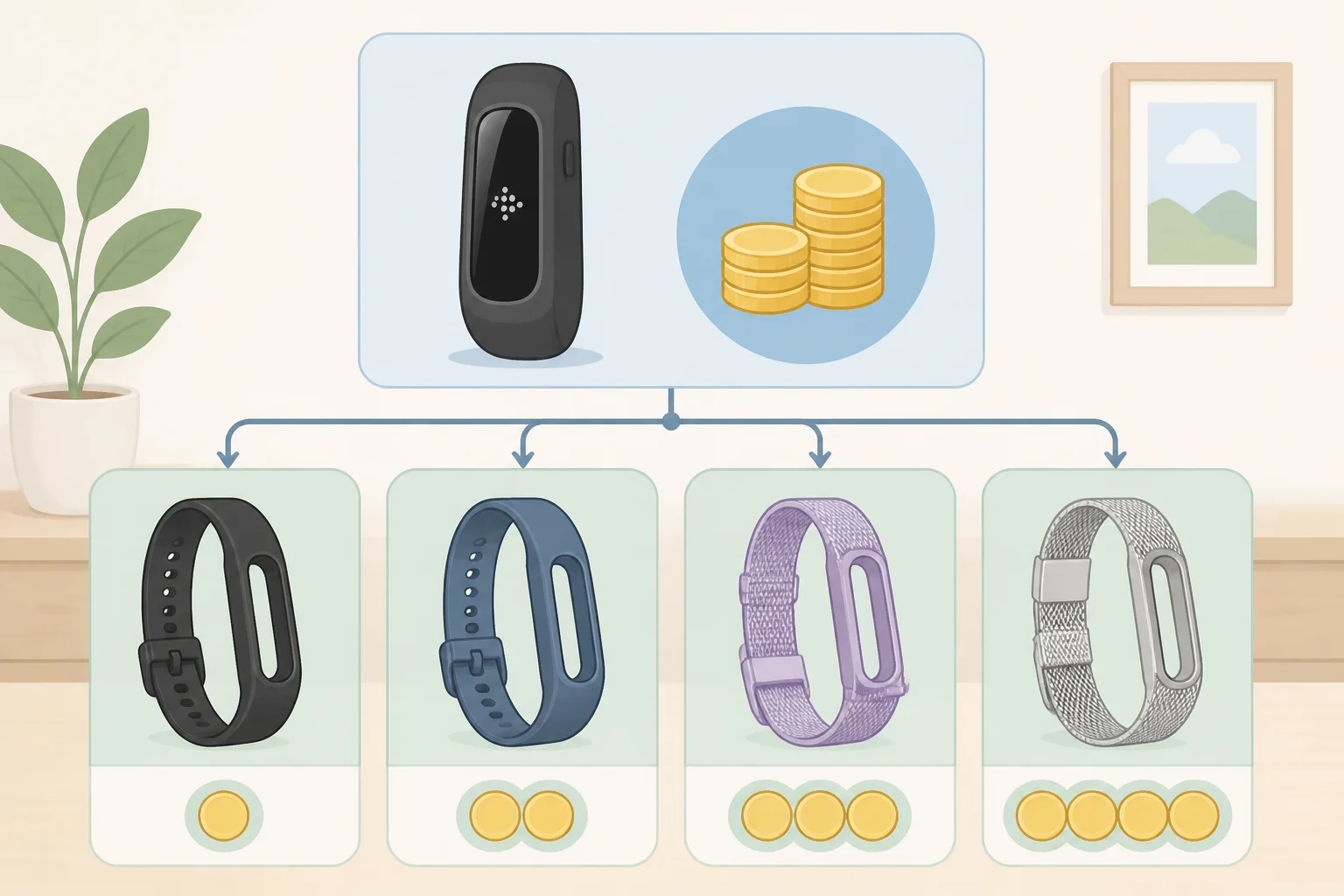
Pre-orders opened today on the Google Store and through retail partners, with general availability set for October 27 (Google).
The base model costs $179.99 and includes the silicone Active Band. That's $20 more than the Charge 6's 2023 launch price of $159.99, but still roughly half of the Pixel Watch 5's $350 starting price (Ars Technica). It comes in four finishes, Obsidian, Olive, Canyon, and Fog, paired with the Active Band (Google).
A Stephen Curry Special Edition runs $219.99. Additional bands round out the lineup:
| Band | Price |
|---|---|
| Active Sport Band | $39.99 |
| Magnet Band | $59.99 |
| Performance Loop (available later) | $49.99 |
| Metal Links Band | $149.99 |
(Ars Technica)
The purchase includes three months of Google Health Premium. Ars Technica reports the subscription runs $10 per month afterward, and that it's bundled free with a Google AI Pro subscription, though the AI-driven Health Coach feature can be switched off if it's not your thing (Ars Technica).
Video of the Day
Fitbit Edge features and battery life
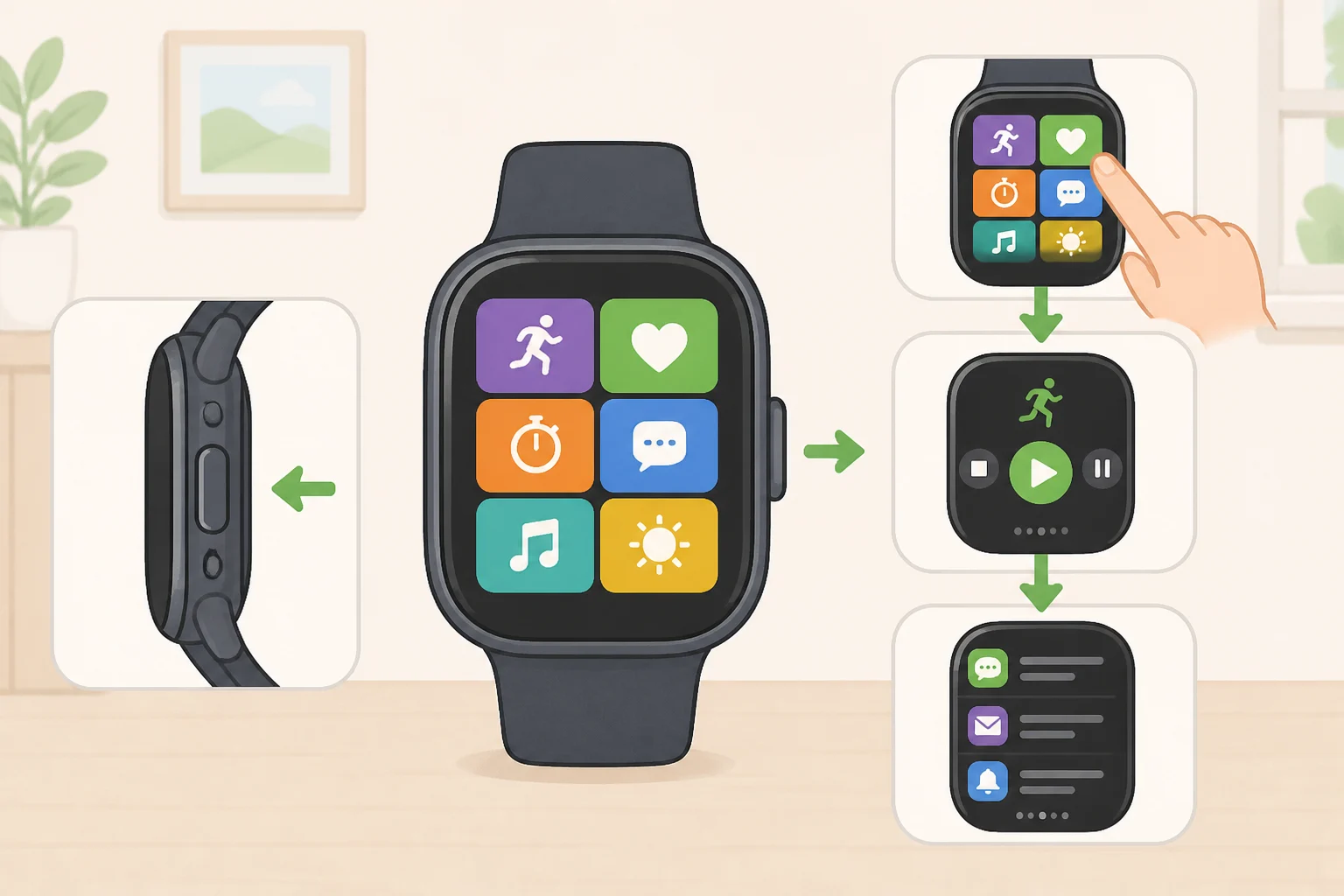
The Edge has a 1.34-inch OLED display, which Google says offers 46% more viewable area than the Charge 6's screen, inside a case that runs a touch thicker at 11.5mm (Ars Technica; The Verge). Unlike the Air, which has no physical controls at all, the Edge includes a single tactile side button that wakes the display or starts and pauses a workout. Most other interactions still run through the touchscreen (Ars Technica). The tile-based interface handles notifications, timers, alarms, media controls, and Google Maps turn-by-turn directions (The Verge; WIRED).
Google rates battery life at up to seven days on a charge, with a full charge taking about 90 minutes and a five-minute top-up said to cover a full day's use (Google). Turning on the always-on display cuts that estimate to roughly two days, barely longer than the Pixel Watch 5 manages (Ars Technica). Even away from a paired phone, the tracker can hold up to seven days of full health data or 30 days of basic data before it needs to sync, so a missed connection on a long trip shouldn't wipe out a week of sleep and activity logs (Ars Technica).
Health hardware includes an ECG sensor, SpO2 and optical heart-rate sensors, a far-field skin-temperature sensor, an altimeter that tracks elevation gain and floors climbed, and built-in GPS that Google says is 40% more accurate than prior Fitbit generations (Google; The Verge; WIRED). The device supports more than 50 on-wrist exercise modes and can automatically recognize up to 100 activity types, with Google claiming automatic tracking is now twice as accurate as before (Google; The Verge).
One limit worth flagging for anyone used to a full smartwatch: the Edge ships with a fixed set of fitness experiences and watch faces, and there's no way to download more, the way there would be on a Wear OS device (Ars Technica).
Fitbit Edge vs. Pixel Watch 5: what's missing
The Edge has no NFC chip, which rules out Google Wallet contactless payments, a feature the older and cheaper Charge 6 actually had (The Verge; WIRED).
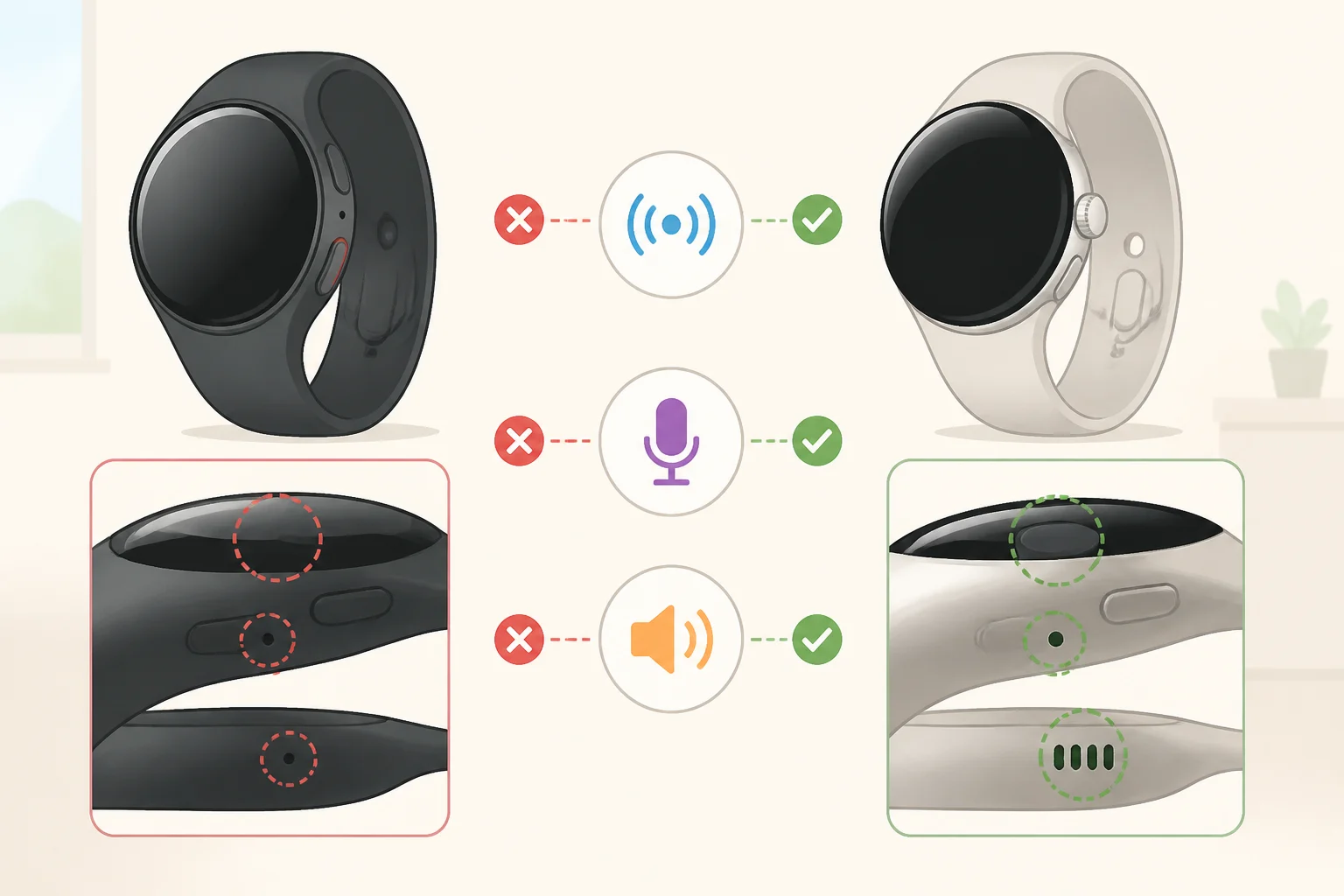
There's no microphone or speaker, so calls can't be answered from the wrist. Notifications mirror from the phone instead, with replies limited to a set of pre-written quick responses (Ars Technica).
The built-in GPS also isn't paired with the dual-band radio found in the Pixel Watch, and the Edge skips both a third-party app store and Gemini wrist interactions (Ars Technica).
Some of the more advanced health features, including blood pressure trends and insulin resistance trends, require a Google Health Premium subscription beyond the three free months (WIRED).
Google Fitbit Edge compatibility and repairability
Unlike the Pixel Watch 5, which only works with Android, the Edge is compatible with both Android 11+ and iOS 16.4+ through the Google Health app (Google; WIRED). Data syncs over Bluetooth 5.4 and feeds into the Gemini-powered Health Coach chatbot inside the app (Ars Technica).
Multiple Google wearables can pair to the same Health app account, and switching between devices doesn't require re-pairing or manually moving health data over, according to Ars Technica (Ars Technica). That means someone could rotate between an Edge and a Pixel Watch depending on the day.
The tracker carries water resistance rated IP68 and 5ATM, and it can broadcast real-time heart-rate data to compatible gym equipment (The Verge).
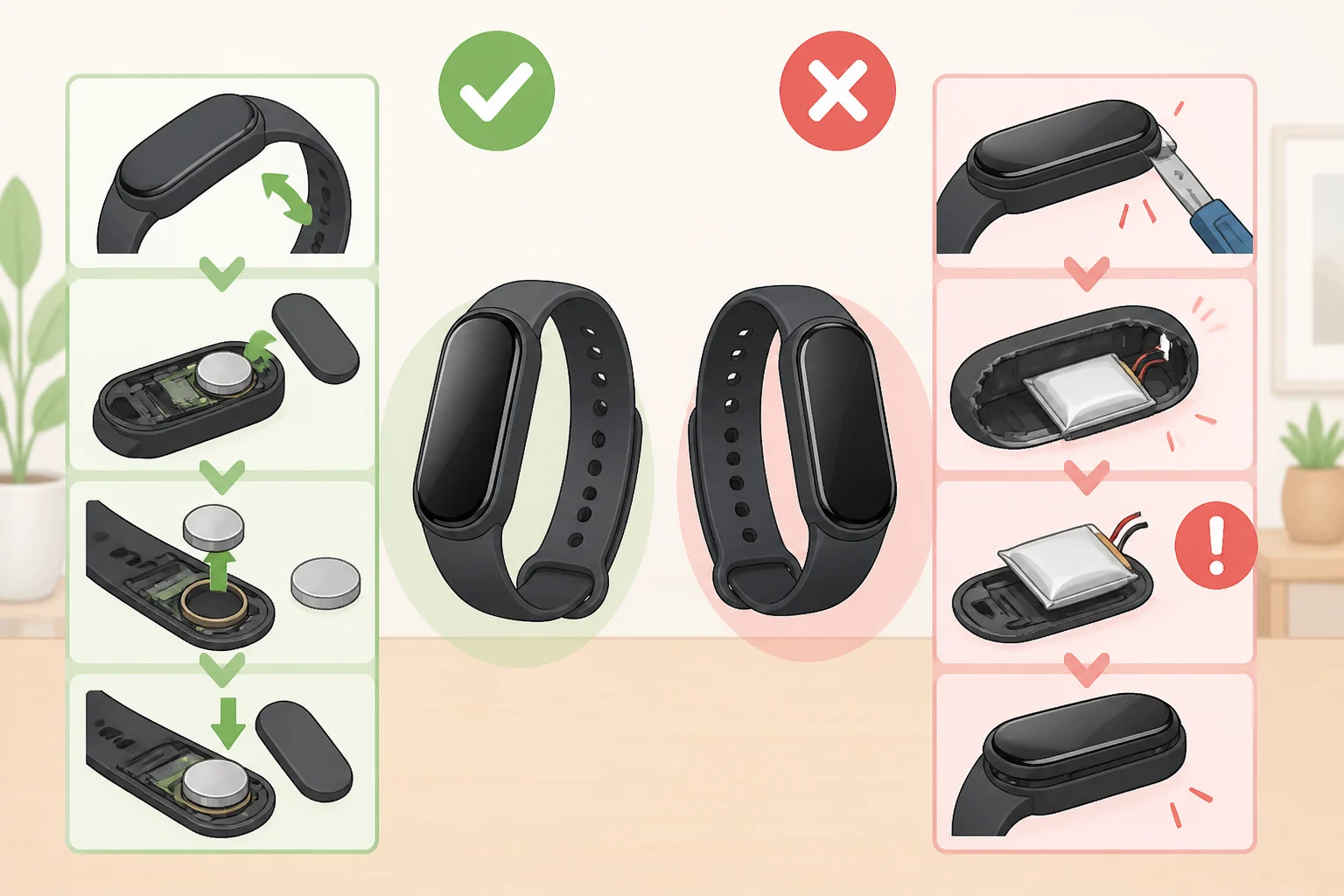
Google calls the Edge its first repairable Fitbit tracker, built with a replaceable battery, a move WIRED notes lines up with the company's broader push to make Pixel Watches easier to fix (WIRED; Ars Technica). Service options to swap the battery will be available, though Google doesn't recommend customers open the device themselves, and availability will vary by region (WIRED; Ars Technica).
What happens next
Google's headline numbers for the Edge, the seven-day battery estimate, the 40% GPS accuracy improvement, and the claim that automatic activity tracking is now twice as accurate, all come from the company's own launch materials (Google; The Verge).
None of it has been independently tested yet. Whether the Edge holds up on a long run without a phone, how the battery actually behaves with the always-on display enabled, and how it stacks up against the Pixel Watch 5 it's meant to sit beside will come down to real-world use once units start reaching buyers after October 27.