Withings paywall third-party syncing: what new users now have to pay
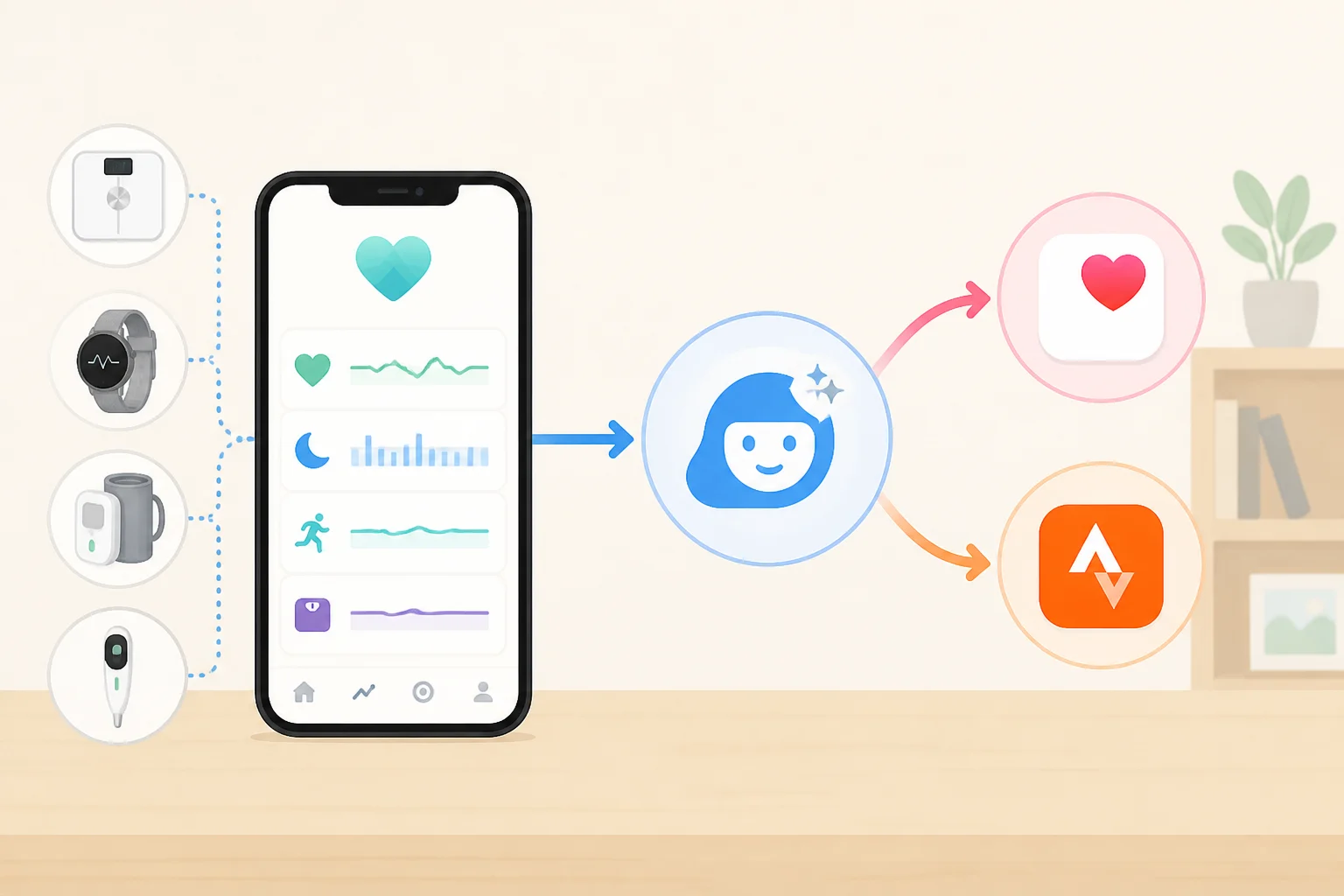
Withings changed what a new scale or watch purchase actually includes this week. Starting October 13, 2026, anyone creating a Withings account for the first time needs a Withings+ subscription to keep that device's weight, sleep, and activity data flowing automatically into Apple Health, Google Health Connect, or Strava, according to The Verge.
It's a clean example of the Withings paywall on third-party syncing: a feature that shipped free with the hardware for years now carries an ongoing fee, but only for people who sign up from this week onward.
Existing customers aren't touched by any of this. The dividing line runs through account-creation dates rather than hardware generations, which is how two owners of the identical scale can end up with different features depending entirely on when they registered, The Verge reports.
French outlet Technode confirmed the same structure plays out in the French market, with matching price tiers and identical account-based logic.
Who pays the Withings Apple Health sync subscription, and who doesn't
Video of the Day
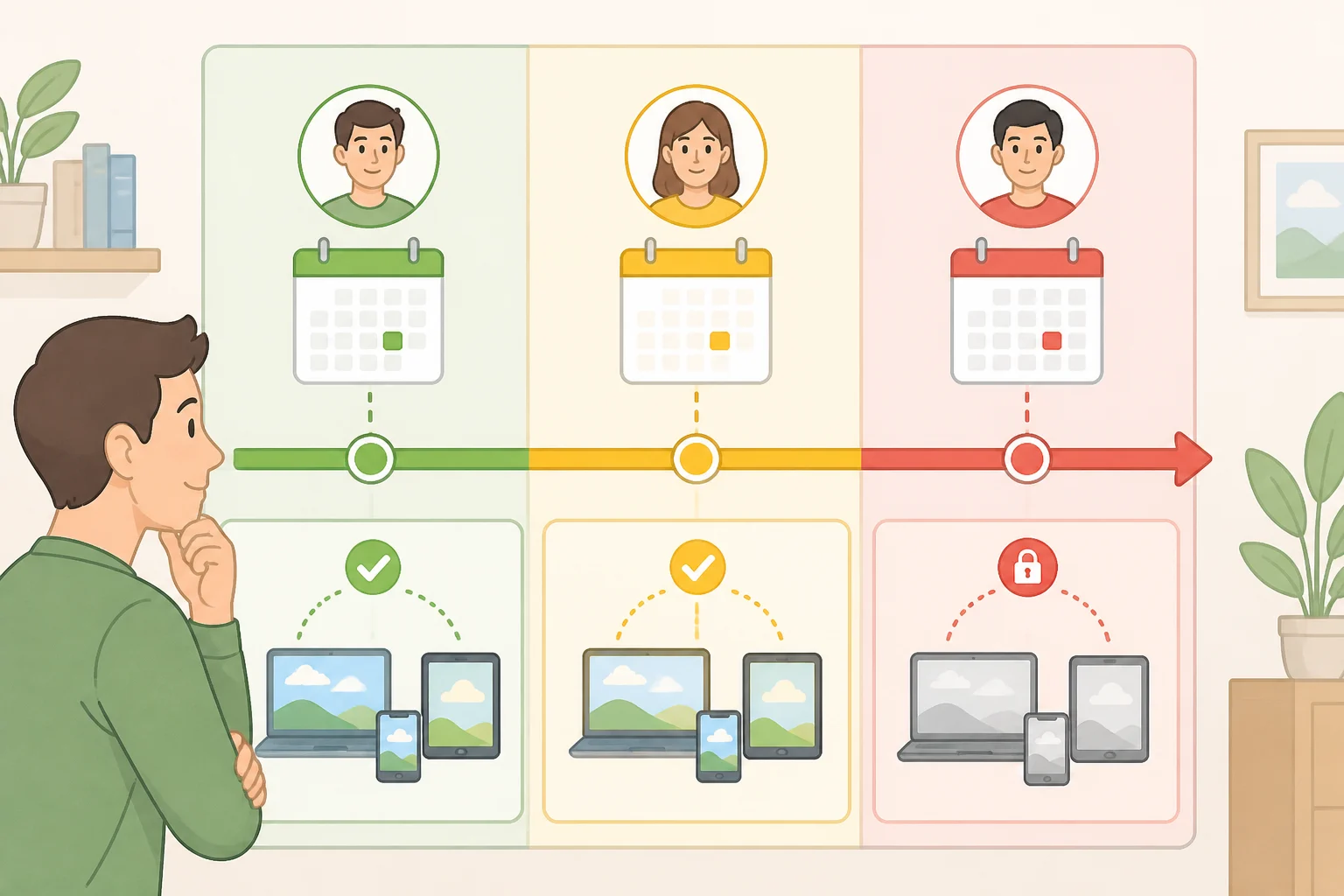
The cutoff is exact. Accounts created on or before October 12, 2026, keep free automatic syncing to Apple Health, Health Connect, and Strava indefinitely, while any account opened on or after October 13 needs an active Withings+ subscription for that same feature, The Verge reports.
New device owners aren't shut out the moment they unbox a scale. Withings includes a one-month free trial with sync access built in, and when the trial lapses, syncing pauses rather than deleting anything already sent to Apple Health, Health Connect, or Strava, The Verge notes.
The restriction tracks the account, not the device. An existing customer can buy a brand-new Withings watch next year, register it to an old account, and keep free sync under the current Withings Plus third-party app sync rules, while a first-time buyer with the same watch cannot, The Verge reports.
Technode found the same split in France: a new customer connecting the Withings app to a phone's health ecosystem sees a subscription screen almost immediately, while longtime users notice nothing different, Technode reports. The same Google Health Connect sync paywall and Strava sync subscription requirement apply on both sides of the Atlantic, just in different currencies.
In the U.S., Withings+ costs $9.95 a month or $99.50 a year, which works out to a roughly $100 yearly subscription for data that used to sync for free, The Verge reports. French customers pay €9.99 a month or €99.99 a year for the equivalent tier, Technode reports.
Video of the Day
Why Withings says the change was necessary
Vincent Brand, Withings' digital product lead, told French outlet Numerama that the company has no plans to reverse the policy, calling it one of the hardest decisions in the brand's recent history but one it considers necessary for its survival, as Technode relayed.
The official justification centers on backend changes. Withings says updates to its API, paired with new privacy measures tied to an in-app "AI connector," made the shift necessary, Technode reports.
The company is also building its own platform around that same subscription tier. Technode reports that Withings is developing an in-app health assistant and an MCP server, a tool that lets outside AI applications query a user's health data directly, with both features gated behind Withings+, Technode reports.
Withings has framed part of this as something bigger than a sync fee. The company is positioning itself as a European alternative to U.S. health-data platforms, pitching Withings+ partly as a digital-sovereignty move, Technode reports.
What still stays free without a subscription
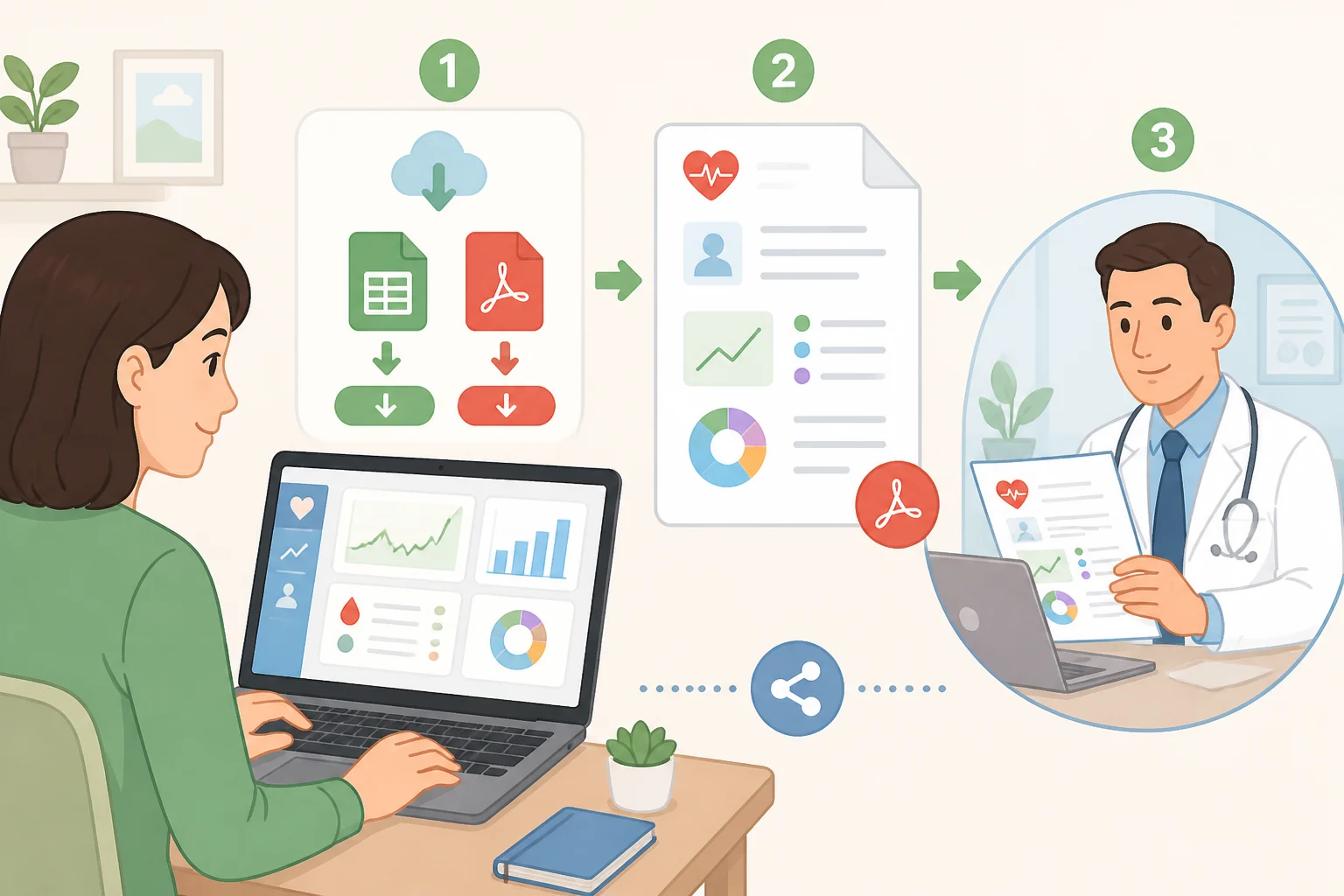
Withings maintains that raw data access isn't part of what it's charging for. Exports of raw data as CSV or PDF files remain free for every account regardless of subscription status, the company says, Technode reports.
That's the company's own framing, not an independent audit of its data practices. Technode's reporting puts it plainly: users keep access to their information, just not the convenience of automatic syncing without a subscription.
That distinction is the real source of friction. Manual export and automatic sync solve different problems, and critics have argued Withings is charging for convenience rather than for the data itself, a point that shows up repeatedly in the public reaction to the change.
What it means if you're buying a Withings device now
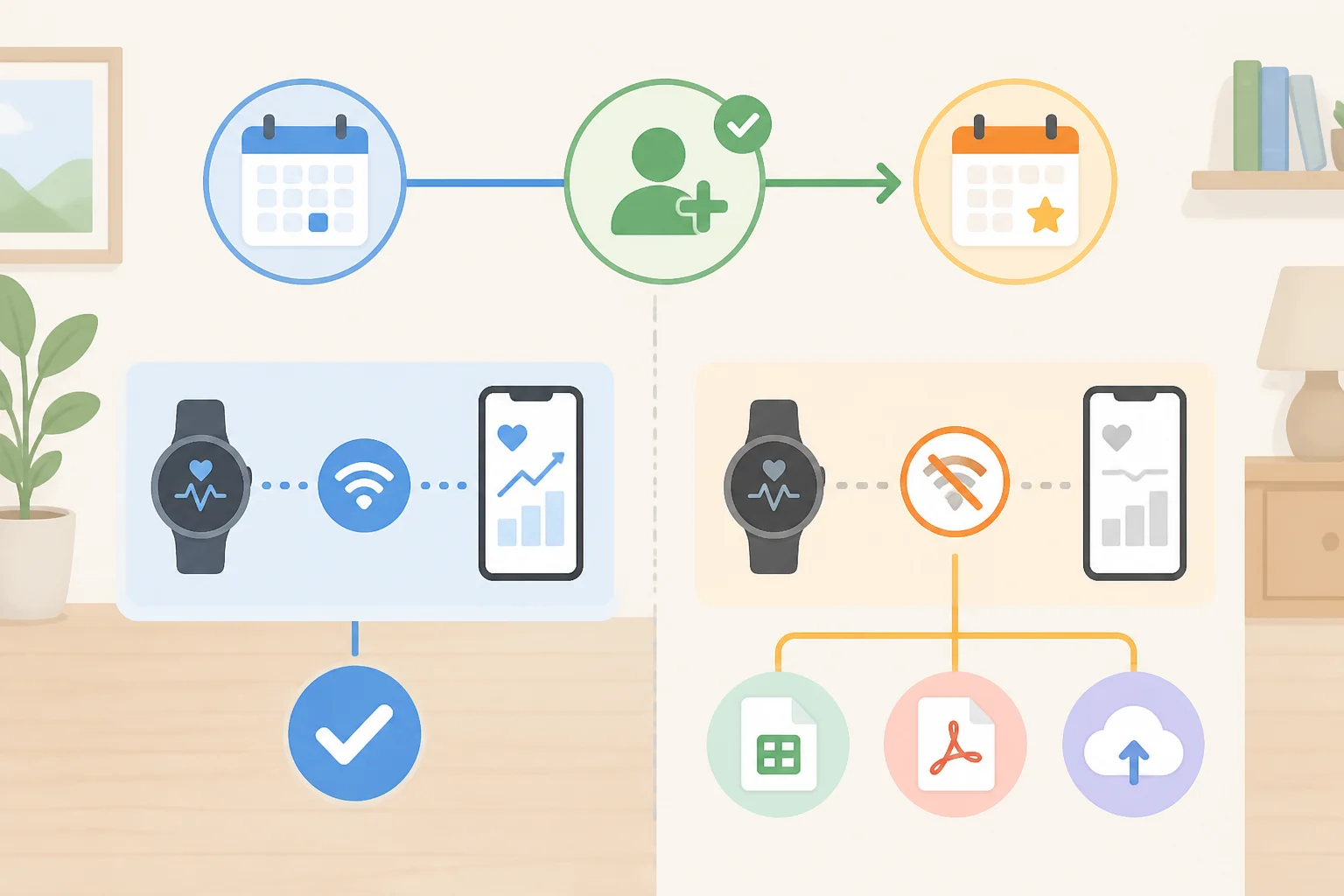
A first-time customer creating a Withings account today can still export a full data history as CSV or PDF without paying anything beyond the cost of the device, Technode reports.
What disappears after the one-month trial is the automatic, real-time handoff. A scale reading or workout no longer shows up in Apple Health, Health Connect, or Strava without manual intervention, The Verge reports.
Because eligibility is tied to the account rather than the purchase date, there's no workaround for someone setting up a first Withings account now. Anyone who wants continuous syncing after the trial should treat the $99.50 annual fee as part of the device's real yearly cost, not an optional add-on, The Verge reports.
The bet Withings is making
Brand's comments to Numerama, relayed by Technode, suggest the company has already weighed the backlash and decided the subscription revenue is worth the friction it creates for new buyers. "No plans to reverse it" is a statement of current intent, not a permanent guarantee, but for now the policy stands exactly as written on October 13.
The open question is commercial, not legal. Technode notes that Withings is betting its app can become a major European health platform even as it risks turning off new buyers in a market where cheaper scales still offer the same integrations for free.
For now, the practical result is simple. Someone who bought a Withings scale two years ago keeps automatic syncing for free, and an identical purchase made today needs a subscription to do the same thing.