Benefits of Encrypted Email: 5 Reasons Users Are Switching
The email sitting in your inbox right now is, in all likelihood, readable by the company hosting it. Not because of a flaw or a breach. Because that's how email was designed.
Over 319 billion emails move across the internet every day, most transmitted and stored in a format the hosting provider can read at any time, according to USENIX research. Server-to-server encryption, where large providers use it, protects messages moving between systems but it does nothing for messages sitting in storage. Your provider holds a readable copy, and that has been true since the beginning.
The benefits of encrypted email are easiest to see when you compare it with that default. A provider that stores only encrypted content cannot read what it holds. That single difference is what the rest of this piece is about what it changes, what it doesn't, and whether it's worth switching for ordinary users who aren't particularly technical.
What encrypted email actually means
Video of the Day
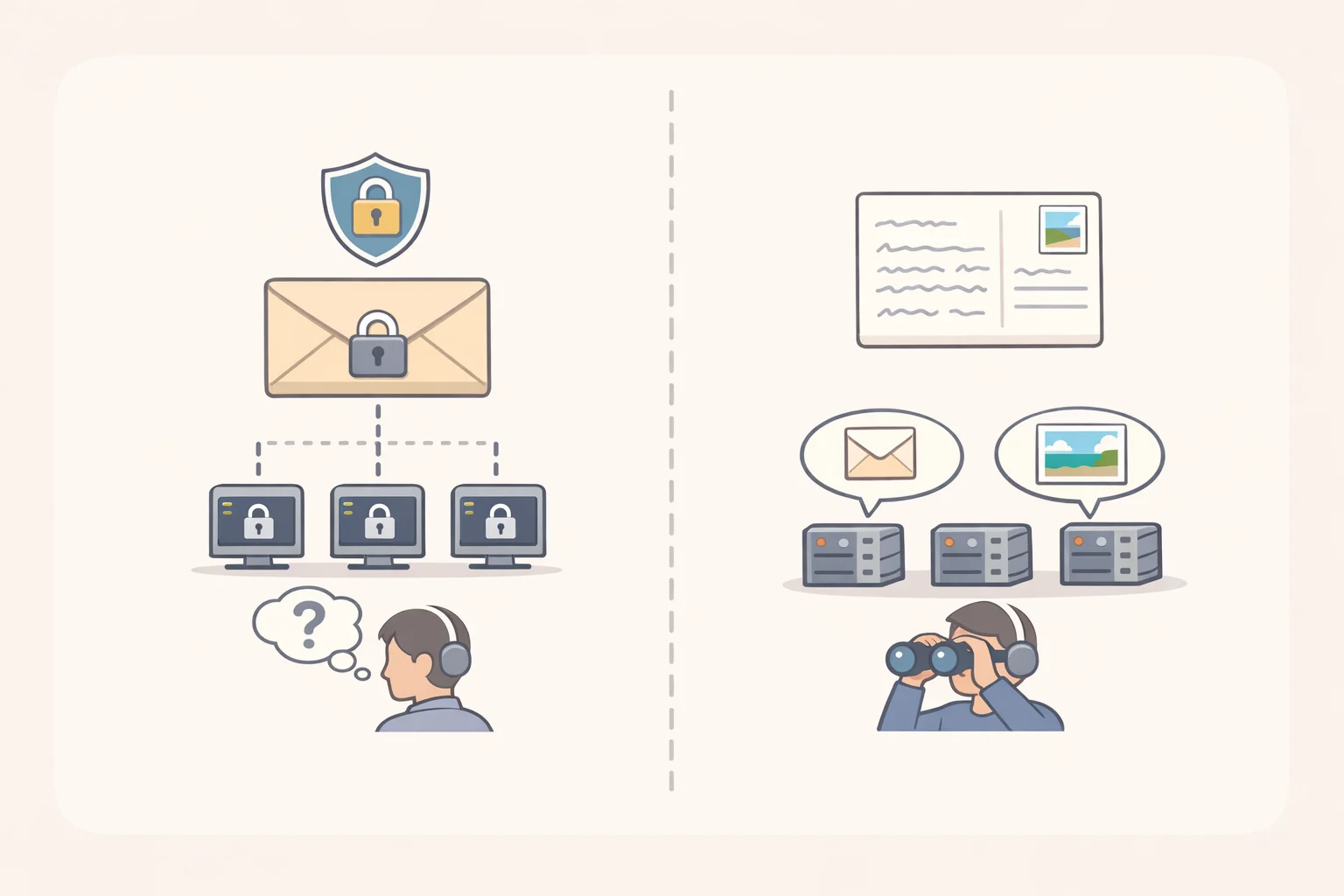
End-to-end encryption, or E2EE, means a message is scrambled on the sender's device and can only be unscrambled by the intended recipient. Think of it as a sealed envelope the postal service carries but cannot open. Standard email is more like a postcard: readable by anyone who holds it, including the provider storing it on a server. As the EFF explains, E2EE means providing users with "secure envelopes that even the service provider cannot open."
Two limits matter here, and they're worth naming plainly. First, E2EE protects message content not communication patterns. The platform may still retain metadata: who you wrote to, when, how often. The EFF notes that even properly encrypted services have access to some of this pattern data. Second, if law enforcement gains direct access to a device involved in a conversation, or if copies of messages are stored somewhere unencrypted, the encryption of the email itself offers no protection at that point, as the EFF explains.
Those aren't edge cases. They're the actual limits of what the technology does and doesn't fix.
Now, the reasonable question: does using it require understanding any of it? No. Most people have no idea how TLS negotiation works, but they benefit from HTTPS every time they buy something online. Encrypted email works the same way the protection is structural, not contingent on the user's ability to explain the cryptography.
A USENIX study interviewing 25 Proton Mail users across 12 countries found that about half were unaware of the specific technical mechanisms protecting their data, or even the ways their provider differed from standard email services. They adopted it, used it, and found value in it regardless. The EFF frames privacy tools as relevant to anyone thinking about digital privacy, whether they're just starting to consider it or already using encrypted messaging apps. Technical comprehension is not a prerequisite for practical benefit.
Video of the Day
Five reasons the case for encrypted email is now mainstream
1. Your provider can read the mail you've already sent
Standard email is transmitted and stored primarily in plaintext, making it subject to surveillance, modification, commercial analysis, and theft, the USENIX research found. That includes the tax documents, medical appointment confirmations, financial statements, legal correspondence, and account recovery notifications sitting in your inbox right now. All of it is accessible to the platform in readable form.
A provider that stores only encrypted content cannot read that content. The protection isn't a policy commitment that could be revised in the next terms-of-service update it's a technical constraint. The provider simply doesn't hold the keys.
2. A readable inbox can be handed to law enforcement with minimal friction
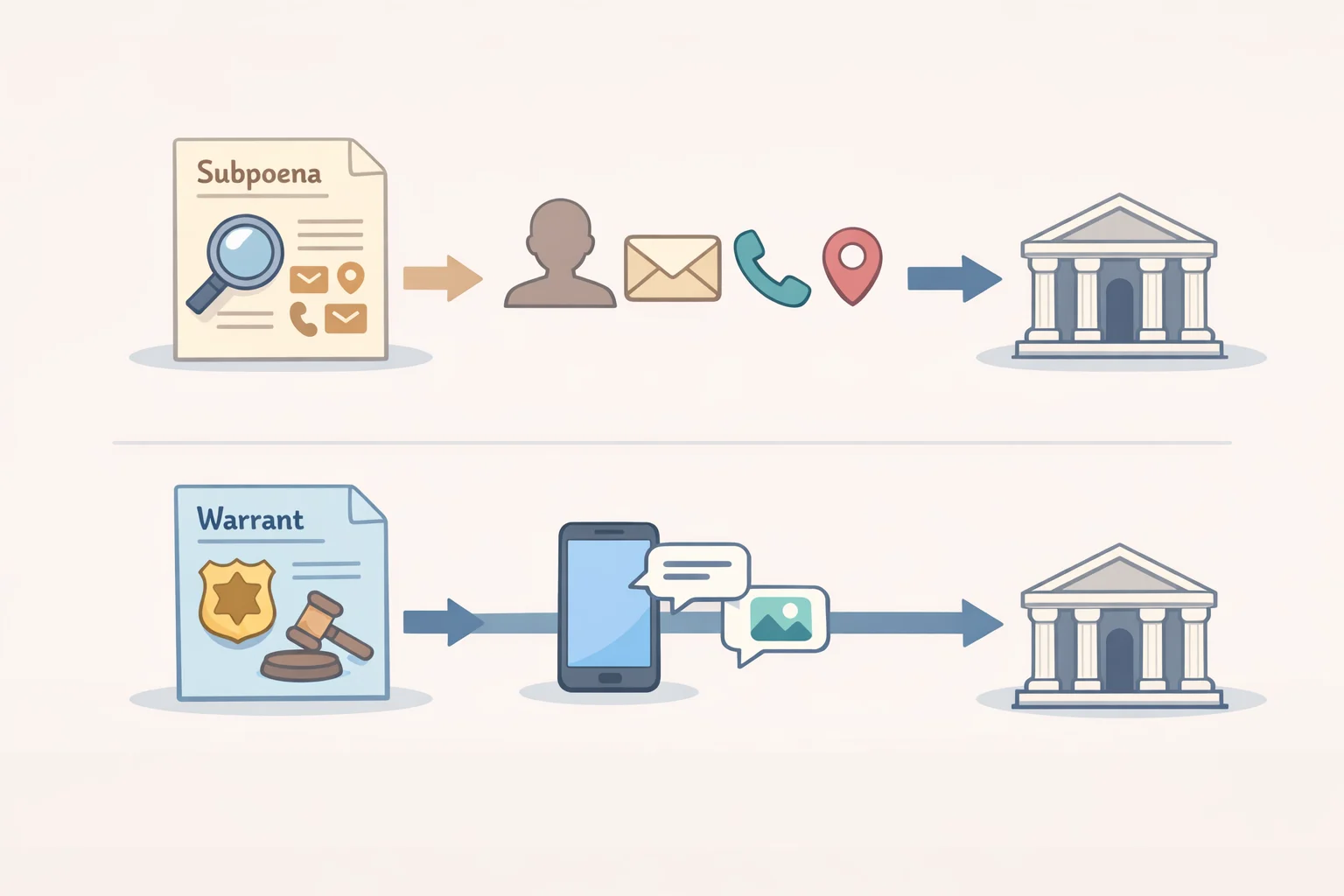
The legal landscape here is more layered than most people realize. Under US law, as the EFF explains, subscriber information your name, account details, the basics provided at signup can be obtained via a subpoena requiring no prior judicial approval, only relevance to an investigation. Metadata, the record of who you contacted and when, requires a court order. Stored message content requires a full search warrant backed by probable cause.
That's a meaningful legal threshold for stored content. The structural problem is that providers must ultimately comply with lawful demands once those thresholds are met, and they are frequently prohibited from notifying users that surveillance is occurring, according to the EFF. Good intentions and strong privacy policies don't change the outcome when a valid warrant arrives.
Encryption changes the math. As the EFF puts it, "you can't be compelled to disclose data you don't have." Signal a messaging app, not an email service, but a clear illustration of this principle can respond to legal demands with only three data points: account identifier, creation date, and last login date. That's because it doesn't retain readable message content. Encrypted email providers that operate on the same data-minimization principle offer the same structural advantage.
Provider posture matters separately from encryption. The EFF flags that privacy policies with vague thresholds like "when deemed appropriate" make it ambiguous whether a user's rights will actually be defended. Some secure email providers, per the USENIX study, don't ask for an email address or phone number at signup which reduces what any legal demand could extract in the first place.
3. Distrust of big tech data practices is a mainstream motivation, not a fringe one
The USENIX study found that the defining reason people voluntarily adopted secure email was to avoid surveillance by large technology companies. Not fear of hackers. Not government agencies. Discomfort with how major platforms use personal data commercially drove the switch.
Participants cited aversion to targeted advertising, loss of control over personal information, and a desire to do business with companies whose values aligned with their own. They came from 12 countries and varied widely in technical background, age, and how long they'd been using secure email. The study's authors found that previous research had characterized secure email as too complex or inconvenient a characterization that this evidence challenges directly.
4. Is encrypted email worth it when most of your contacts aren't using it?
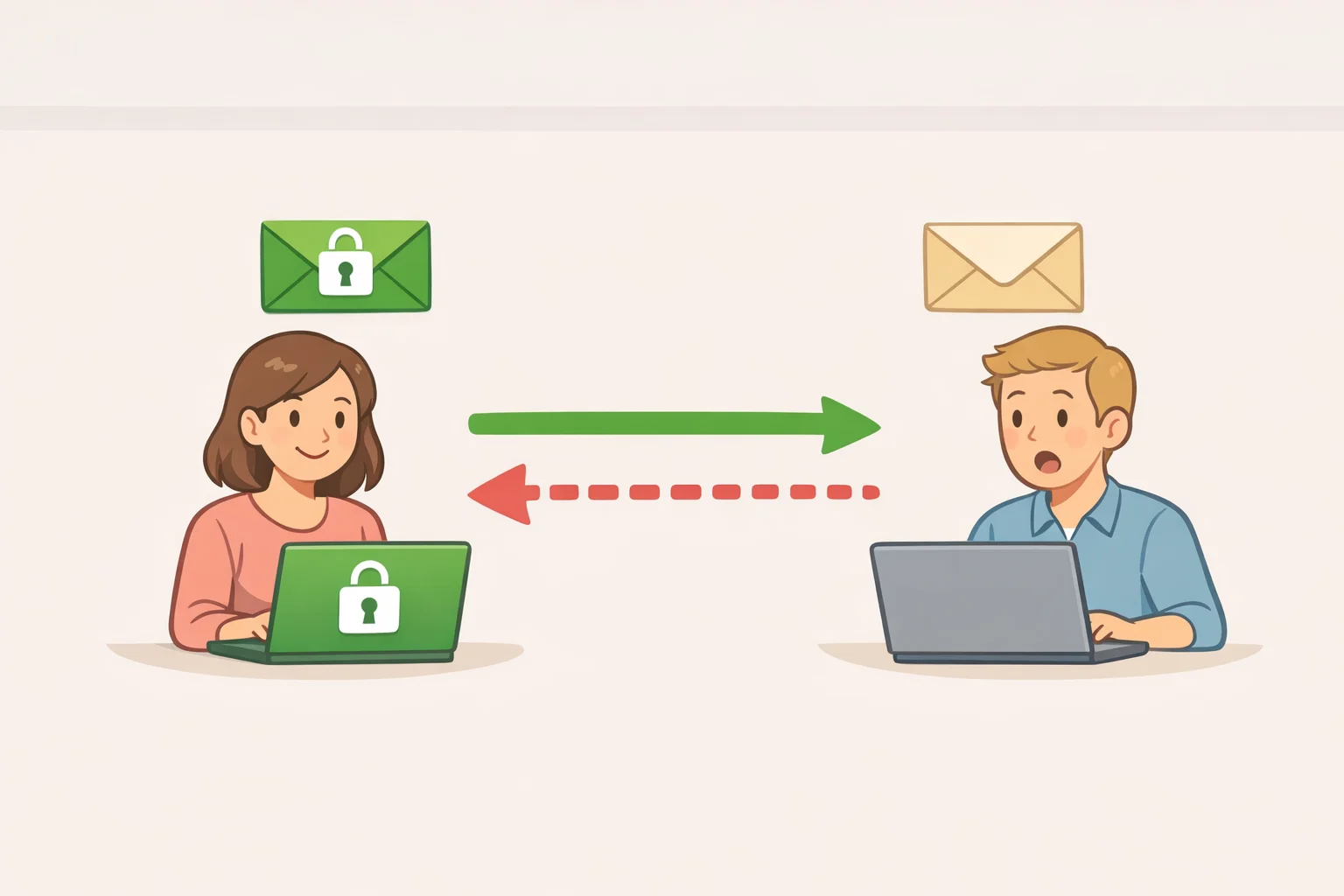
Full end-to-end encryption is only possible when both sender and recipient use compatible systems. The USENIX research found that users on encrypted email services primarily send unencrypted email to contacts on standard providers. Most outbound mail still reaches a Gmail or Outlook inbox.
That limitation is real. It doesn't erase the provider-side privacy gains. Switching still removes the hosting provider's ability to read your stored mail. It significantly reduces the stored content available under legal demand. Even when only one side of a conversation uses encrypted email, that side benefits from reduced provider-held data because a provider cannot be compelled to hand over content it doesn't hold, as the EFF explains. Partial protection is still real protection.
5. Encryption is already normalized for almost everything except email
HTTPS is now standard infrastructure for web traffic. As the EFF notes, most traffic between a service and a user can be secured this way, essentially for free. Encrypted messaging apps have reached critical mass among ordinary users. Email is one of the last mainstream communication channels where plaintext storage by the provider remains the default.
The USENIX study documented adoption across a geographically diverse group of users who navigated the switch without deep technical knowledge. The expertise and cost barriers that previous research cited they don't hold up against this evidence.
The one structural problem that remains
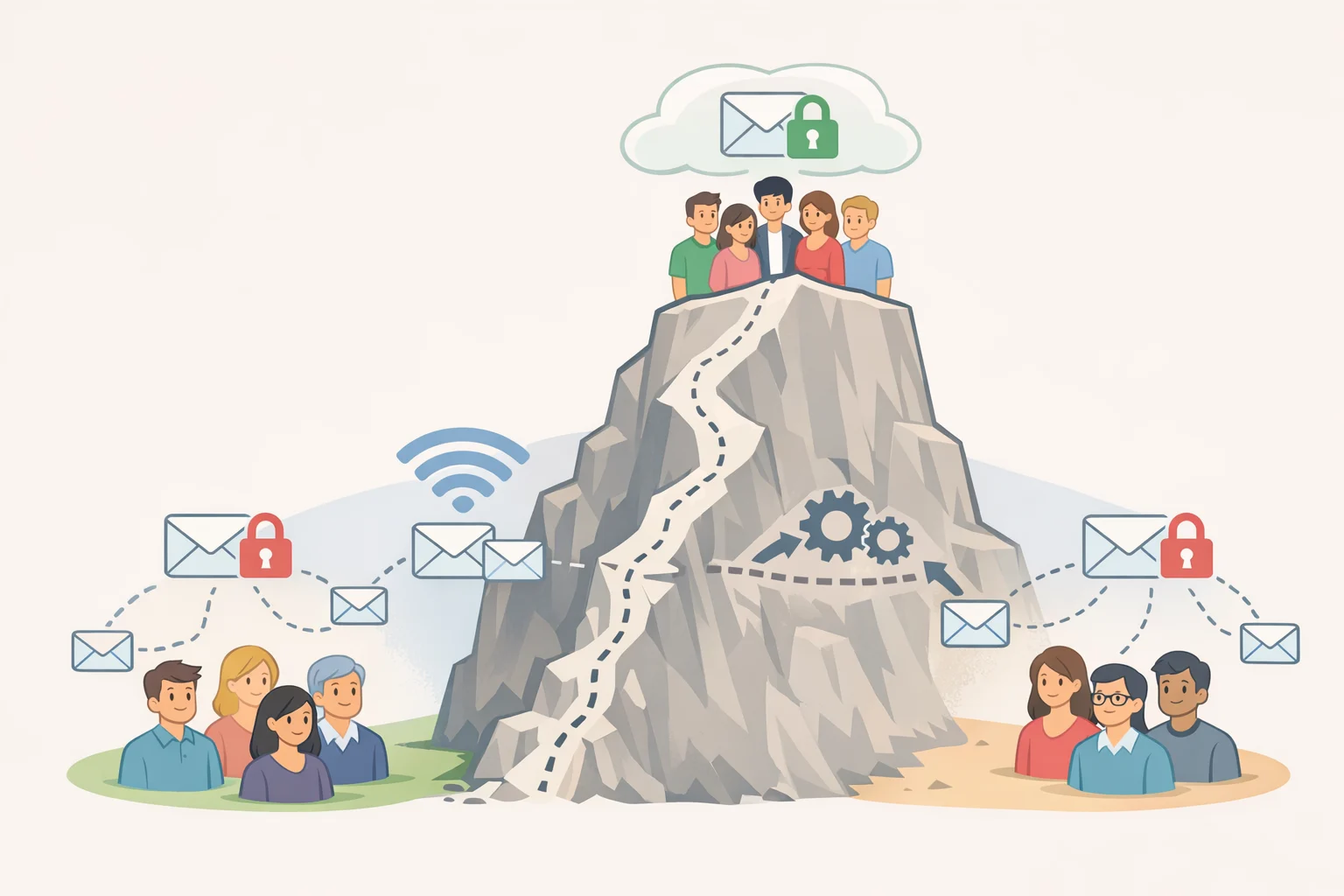
The clearest limitation is network reach. Meaningful privacy gains depend on a critical mass of users exchanging encrypted email with each other. Interoperability between secure email platforms would help close the gap. Neither condition has been fully met yet, as the USENIX paper concludes.
This is an ecosystem problem, not a complexity or cost problem the same challenge encrypted messaging faced before Signal and WhatsApp built large user bases. Encrypted messaging largely cleared that threshold. Encrypted email hasn't.
What switching actually changes: the provider stops holding readable copies of stored mail, and the stored content available under legal demand shrinks substantially. Metadata who you contact and when may still be retained. The recipient's inbox is outside your control.
Who benefits most right now: people who regularly receive sensitive correspondence by email financial records, medical communications, legal documents, account-linked notifications. A provider that holds less data offers real protection for that category, even when most outbound mail still travels to standard inboxes.
For real-time conversation with a known contact who can install the same app, encrypted messaging provides stronger, more consistent end-to-end protection and handles the network problem more effectively. Encrypted email is most valuable for the category of communication that specifically happens over email and lives in storage.
Where to go from here
If you routinely receive sensitive email financial, medical, legal, account-linked encrypted email is worth evaluating. If your priority is private real-time conversation with a specific contact, an encrypted messaging app handles that more reliably. The two tools solve different problems.
Three steps for readers who want to act on this:
- Choose a provider that minimizes data collected at signup and maintains a specific, unambiguous policy on legal requests. Vague language about disclosing data "when deemed appropriate" is a red flag, not reassurance.
- Start with the categories of email that matter most: financial, medical, legal, and account-linked correspondence. That's where provider-readable stored content carries the most consequence.
- Understand the recipient dependency. Full message encryption requires the other side to participate. For sensitive real-time conversations with a known contact, an encrypted messaging app handles that more reliably.
For readers who want to go further, the EFF's Surveillance Self-Defense covers practical steps across email, messaging, and device security in plain language.