Pinwheel Home Phone for Kids: What It Does and What It Costs
Pinwheel launched a home phone for kids this week that looks like 1995 and runs on Wi-Fi. The Pinwheel Home phone for kids makes voice calls only no screen, no apps, no texting and it's aimed at children who aren't old enough for a smartphone but old enough to want to call a friend without borrowing a parent's device. The hardware starts at $68. The more consequential story is what Pinwheel is building around it.
The gap the product targets is real. According to Pinwheel's launch materials, one in four U.S. children already owns a smartphone by age 8, while 78% of American households have ditched landlines entirely. That leaves young children in a strange spot: old enough to want to call a friend independently, too young for most parents to hand over a smartphone, and with no obvious device in between. Pinwheel is betting that gap is a market.
Pinwheel's own press release targets children ages 5 to 12, but TechCrunch, TechSpot, and Digital Trends all describe it as aimed at kids 5 to 10. The product is most relevant at the younger end of that range, before a child has any device of their own.
What the Pinwheel Home phone for kids can actually do
Video of the Day
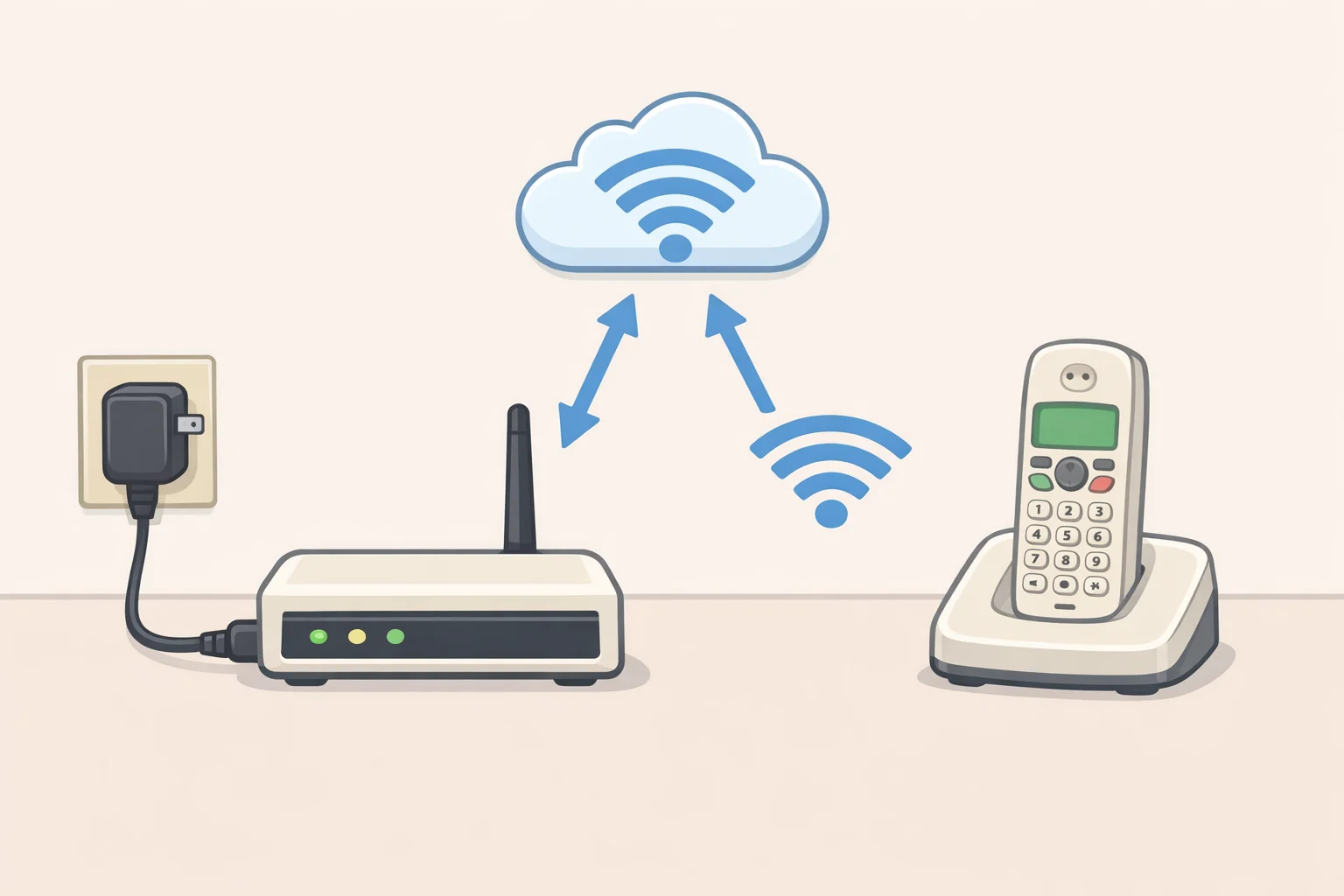
The device mimics a mid-1990s landline in shape but connects entirely over home Wi-Fi no phone jack, no cable provider required. Plug a small hub into a power outlet, connect it to the home network, and it's operational, according to Digital Trends. No service call, no wall hardware.
Voice calls are the only function. No screen, no camera, no texting, no apps, no browser. Speed dial and voicemail come standard on both models, features that make it work as a genuine household calling device rather than a novelty, TechSpot reported. The absence of everything else is the point a device a six-year-old can use without instruction that cannot be turned into a screen-time problem.
Two models launched simultaneously. The Home Spark starts at $68, available in white, black, blue, or purple. The Home Classic costs $79, adds a chunkier retro handset and a customizable sticker sheet, and comes in pink, black, or white, per TechCrunch.
Video of the Day
What it costs to make the phone actually useful
Out of the box, the phone connects to Pinwheel's Circle network, which lets it call other Pinwheel devices for free using short internal codes rather than standard phone numbers. A child on the free plan cannot call or receive calls from anyone outside the Pinwheel network including grandparents, neighbors, or friends without a Pinwheel device, Digital Trends noted. Emergency calls to 911 go through on every tier without pre-approval.
Reaching anyone outside that network requires a paid subscription. The Friends & Family plan at $6.99 per month assigns the phone a real 10-digit number and allows calls to up to five approved outside contacts. The $9.99 Unlimited plan removes that cap, according to TechCrunch and Pinwheel's press release.
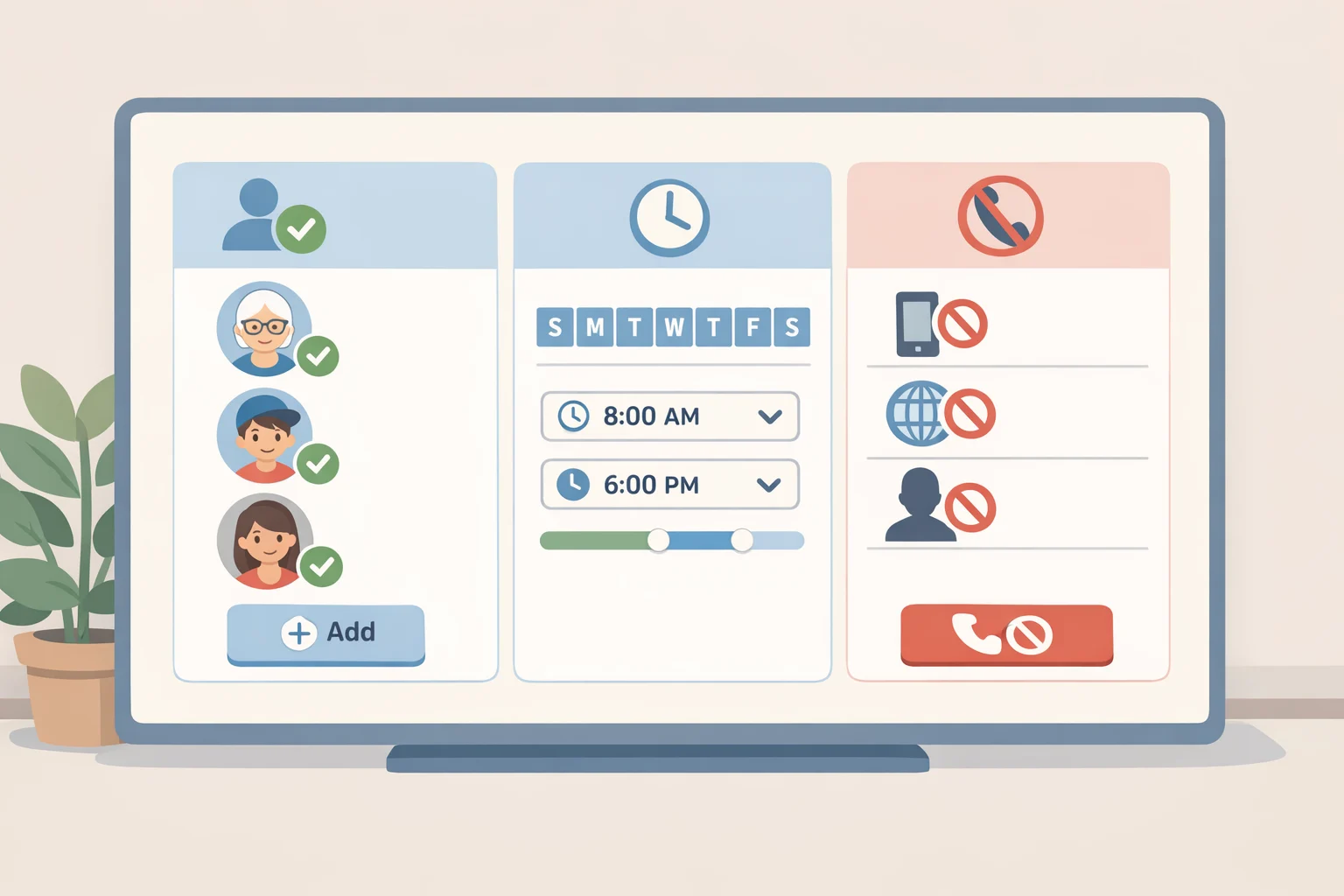
Parents manage the phone through Pinwheel's Caregiver Portal approving contacts, setting calling hours and time limits, reviewing call history, and blocking robocalls and spam, per Digital Trends. That's a more capable parental control set than anything a plain cordless phone offers.
The tradeoff is worth understanding before purchase. For most families, making the phone genuinely useful reachable by grandparents, a school friend, a neighbor means paying a monthly subscription on top of the hardware cost. A child limited to the free Circle tier has a narrow social circle on this phone. The device fits best for families with young children, roughly ages 5 to 8, who want their kid to reach a short, fixed list of trusted people without handing over a smartphone. It's a poor fit if the expectation is something closer to a general-purpose calling device or if a child's friends are unlikely to be on Pinwheel hardware.
Why Pinwheel is tying Home to its broader device lineup
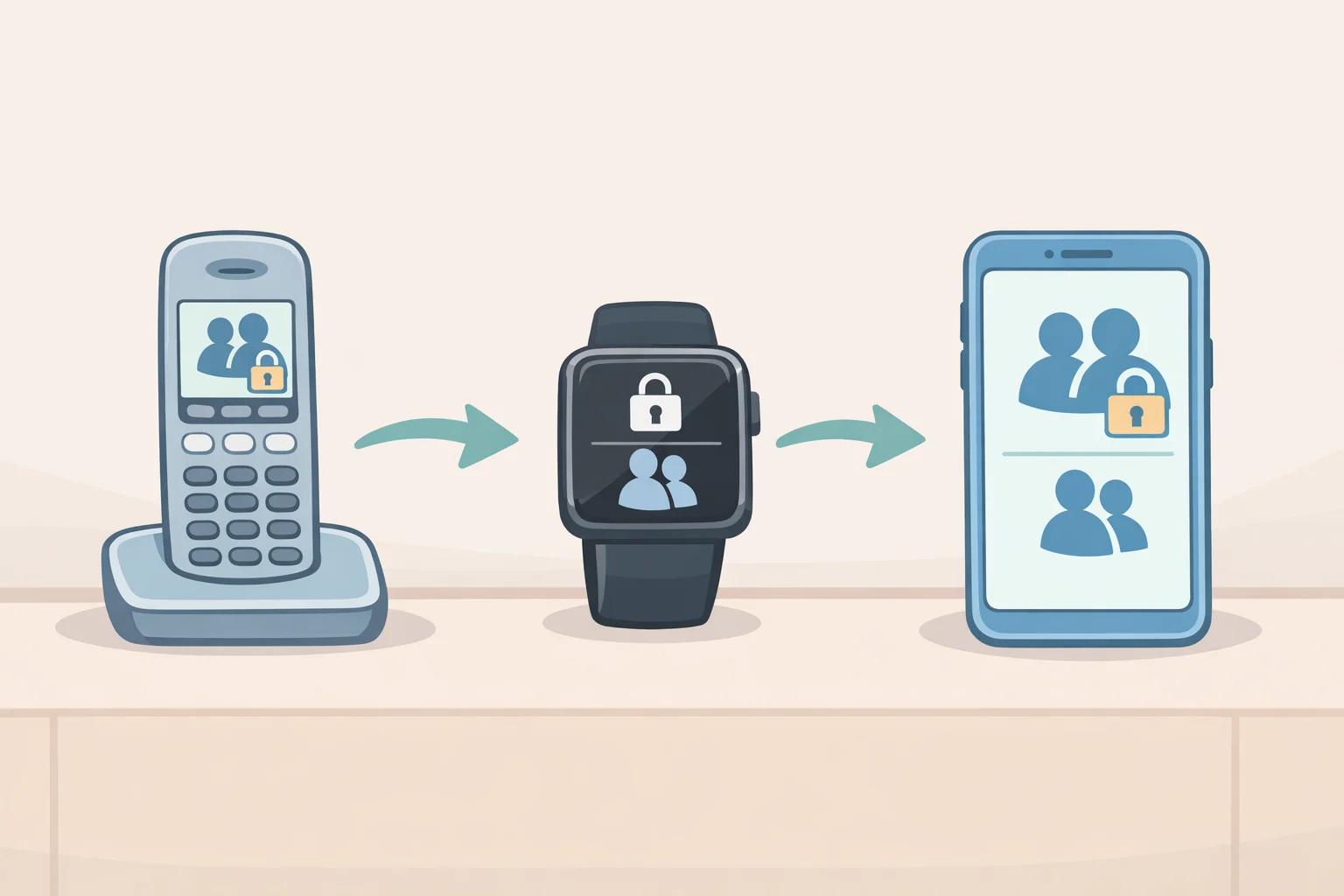
Pinwheel already sells a children's smartphone line and launched a kids' smartwatch which includes an AI chatbot last year, TechCrunch reported. The company's own materials describe Home as an entry point for younger children, with families expected to move to the watch or smartphone as kids get older, all within the same Caregiver Portal login.
Planned updates, Pinwheel says, will add three-way calling and allow a child's approved contacts and phone number to carry across devices from the home phone to a Pinwheel Watch to a Pinwheel smartphone without resetting parental settings, according to TechSpot and Digital Trends. That cross-device continuity could eventually mean a child keeps the same number and contact list as they move from the kitchen counter to their wrist to a full phone, though those integrations are not yet live.
The pricing structure points in the same direction. Families running multiple paid Pinwheel subscriptions receive a 15% discount across plans, and bulk pricing is available for groups purchasing ten or more devices, per Pinwheel's press release. That's not a discount structure built for single-device households.
For families, the upside of that approach is continuity: one parental dashboard, one contact list that persists across devices, no rebuilding settings when a child graduates to the next product. The downside is a system that may be harder to leave once contacts and settings are tied across devices. A family that starts at $68 on a home phone could be running three Pinwheel subscriptions by the time their child is twelve. That's worth factoring in before buying the first one.
Availability and what's still unconfirmed
Pinwheel Home is available now through the company's website, priced from $68 to $79. Pre-orders include a 30-day money-back guarantee and free shipping, according to sourced reporting. An Amazon listing is expected this fall, though that has not been confirmed as a firm date. International pricing and availability have not been announced, per TechSpot.
The product concept is clear and the use case is specific: a Wi-Fi home phone for kids who are too young for a smartphone but ready to make calls on their own, with Pinwheel phone parental controls that give parents real oversight without requiring constant supervision. The open question is less about the hardware than whether enough families stay on the platform as kids grow. The cross-device number portability and shared contact list that would make that continuity compelling aren't fully live yet. When they are, the value of the ecosystem will be easier to judge and so will the cost of leaving it.