Instagram Bans Meta Glasses Videos: Limits, Gaps, and Open Questions
Instagram will remove videos filmed on Ray-Ban Meta smart glasses that show strangers being harassed or exploited. That's the announcement head Adam Mosseri made this week, and enforcement has already started. At least two accounts, each with more than a million followers, have been taken down for posting footage of women being approached in public without their knowledge or consent, NDTV reported today. The crackdown follows Business Insider's reporting on the prank-video genre, published yesterday.
The announcement raises questions Mosseri's statement doesn't resolve: how Instagram will detect this content at scale, what conduct precisely crosses the line, and whether a platform owned by the same company that manufactures the glasses can address a problem that starts in hardware, not software.
What the ban covers
Video of the Day
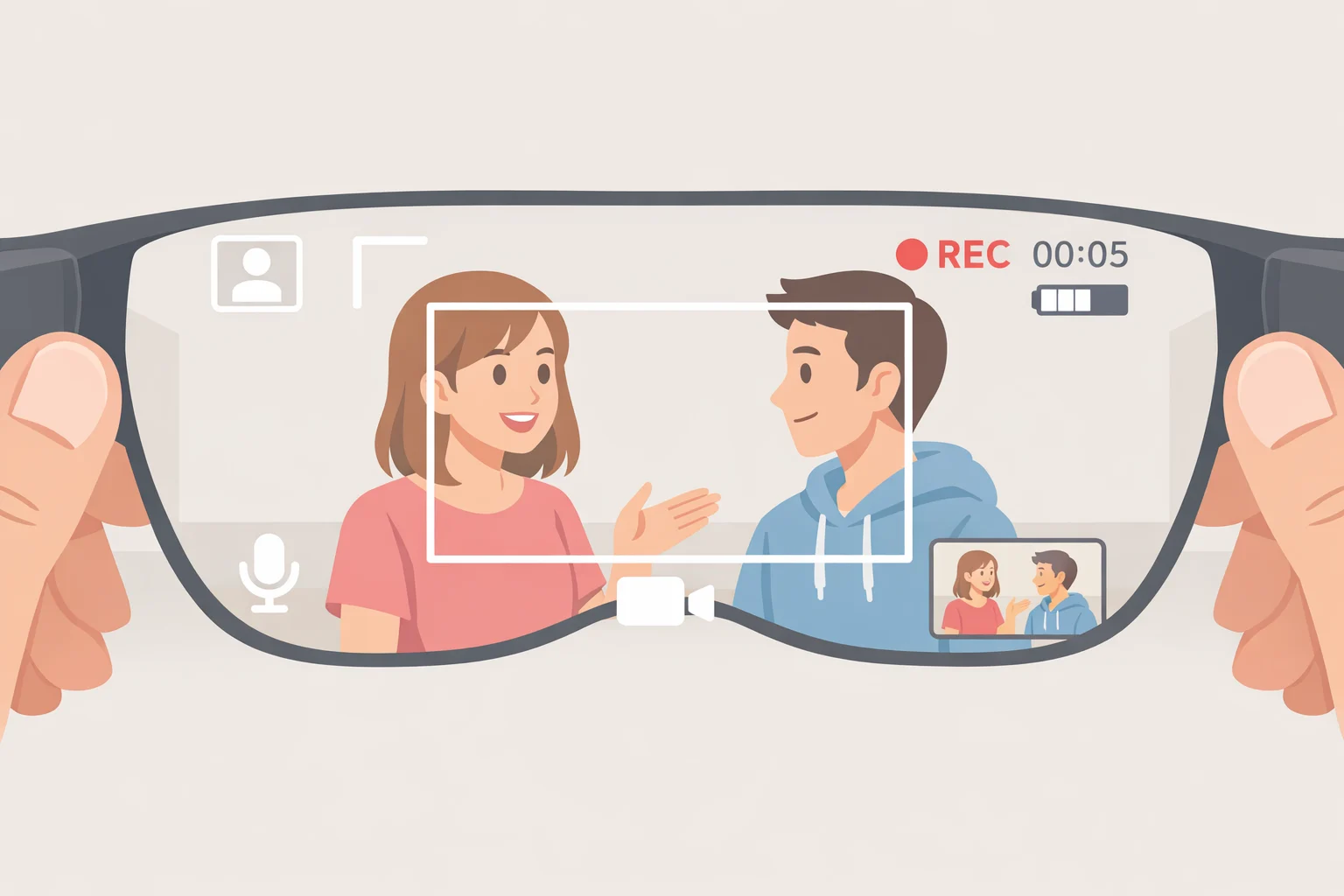
Mosseri's language was behavior-specific. "If you're posting content that is taking advantage of people and harassing them, like a lot of these pickup line kind of videos that we've heard of and seen, then we're going to take the content down," he said, according to NDTV. He added: "We don't want people to be surreptitiously taking videos of other people and harassing them and then posting them on our platform."
That framing is narrower than a blanket device prohibition. The policy as described doesn't spell out how Instagram will distinguish harassment from ordinary street video or journalism. A creator filming a public interaction without confronting anyone sits in ambiguous territory under the rule as stated.
The crackdown also arrives late. Business Insider's earlier reporting on prank videos filmed with Meta glasses appeared this spring, meaning the format had already grown large enough to attract press coverage before Instagram moved against it.
The removed accounts were known for giving viewers a first-person perspective, as if seeing events through the wearer's eyes. That immersive quality made subjects feel more exposed and the content more visceral, NDTV noted. The format's appeal was inseparable from its capacity for violation.
Video of the Day
Why the Instagram smart glasses harassment ban is hard to enforce

Mosseri described what will be removed. He did not describe how Instagram will find it.
The identification problem is real. Moderators cannot easily distinguish footage shot from eye-line on Ray-Ban Meta glasses from video taken on a phone held at chest height, particularly after editing or reuploading. The glasses record up to 3K ultra-HD video from the wearer's perspective without any visible camera equipment, a JURIST commentary published last month noted. The recording apparatus sits on the face. Bystanders get no signal that filming is underway.
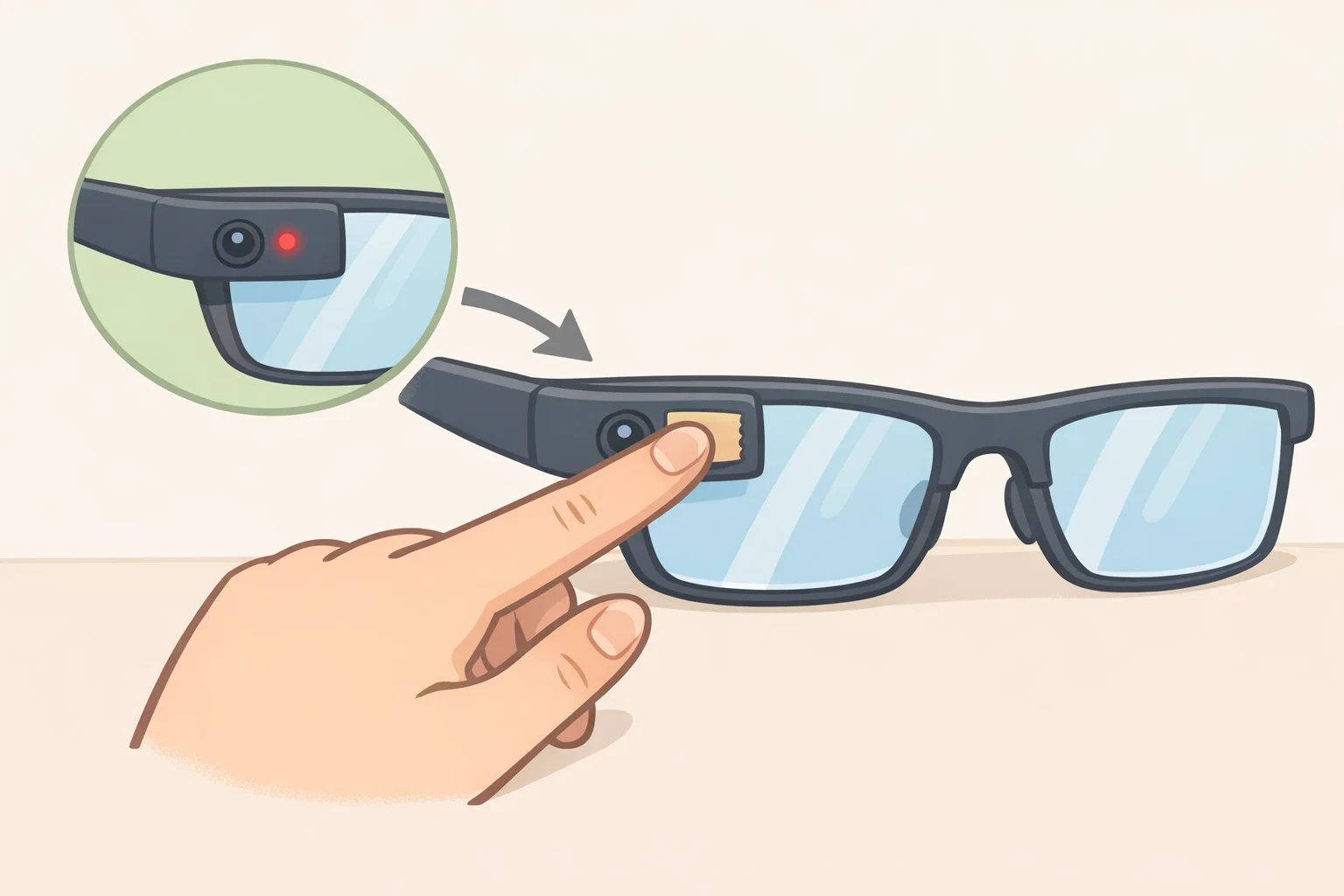
The glasses include a blinking indicator light designed to show when recording is active. That light can reportedly be covered with tape, the same JURIST commentary observed, which defeats the only visible consent mechanism built into the device. Based on available sources, Meta has not publicly addressed whether anti-tamper protections or additional hardware safeguards are under consideration.
Instagram does operate mature anti-abuse infrastructure across other categories. The platform removes sextortion accounts, blocks re-creation of banned accounts, shares threat signals with other companies through the Lantern program, and refers cases to NCMEC and law enforcement where appropriate, according to the Instagram blog. The smart-glasses policy extends that existing framework into a new content format. But sextortion enforcement works partly because it involves identifiable behavioral patterns, account sequences, messaging signals, whereas POV harassment footage can look like ordinary street video until the surrounding context is examined. The detection logic is fundamentally different.
Several questions remain unaddressed: how many removals have occurred beyond the two confirmed accounts, whether repeat offenders face consequences beyond account deletion, and whether algorithmic suppression is being applied before content reaches outright removal thresholds. Mosseri's announcement answered none of them.
The hardware problem no platform policy fixes
This is where the conflict becomes structural. The company now moderating content made with Meta glasses is the same company selling them. The EFF warned earlier this year that users should think carefully before buying or using Meta's Ray-Bans, citing the privacy implications of normalized wearable recording. The glasses are legal, widely sold, and engineered to make recording unobtrusive. Those are product features. They become problems when pointed at people who don't know they're being filmed.
Instagram can remove videos after they're posted. It cannot prevent the recording from happening. The indicator-light tampering issue illustrates that boundary exactly: a content moderation rule addresses distribution, not capture. A user who tapes over the indicator light and films someone covertly has already committed the act before any of Instagram's policies become relevant. The platform enters the picture only after the harm is done.
That distinction matters for evaluating what this week's announcement actually accomplishes.
Who bears the cost

The subjects of this content are disproportionately women and girls. Reported cases have emerged of young women who were unaware they had been filmed without consent until the footage was already circulating on Instagram and TikTok, the JURIST commentary noted. The harm doesn't end when the post comes down.
Content copied across multiple servers before removal continues circulating even after deletion, according to the same commentary. Deletion is not erasure. Subjects can face ongoing re-victimization long after the originating account is gone.
The JURIST commentary also flagged that footage captured and uploaded without consent may migrate toward non-consensual intimate imagery markets. This is an argued position from legal advocacy writing, not established enforcement data. But it points to why the stakes extend well past the embarrassment of the original video. When images reach those markets, they tend not to come back.
The legal framework for addressing any of this is sparse. No single international statute covers the filming of individuals without consent in public spaces, as the JURIST commentary observed. Protections rely on domestic privacy laws and broad instruments like Article 12 of the UDHR, a patchwork that predates wearable recording by decades. Platforms are currently being asked to fill that vacuum, which is a fragile place to leave it.
What Adam Mosseri's Meta glasses policy leaves unanswered
Several practical questions will determine how meaningful this policy turns out to be. Does filming without consent, absent any direct approach or confrontation, violate the rule? How will reuploaded or edited footage be handled after the originating account is gone? Will Meta introduce device-side changes to make covert recording harder at the hardware level? Whether TikTok, YouTube, or other platforms where this content also circulates are adopting comparable rules remains, as of this writing, unknown.
These aren't hypothetical edge cases. They're the conditions under which this policy will actually be tested at scale. The two accounts removed this week confirm enforcement has begun. The framework governing that enforcement, what counts as harassment, how content is identified, what happens to footage that has already spread, remains at best partially specified.
The immediate result of this week's announcement is clear enough: accounts posting POV harassment content filmed on smart glasses are now explicitly in scope for removal on Instagram, and the platform has already acted. That's meaningful. The structural problem behind it is less tidy: smart glasses are legal, widely sold, and engineered to make recording invisible, while international law offers no coherent framework for protecting people filmed without consent in public.
Platform moderation is currently the primary line of defense. Whether content removal by a platform owned by the hardware manufacturer constitutes a durable fix, or a holding position while law, regulation, and product design catch up, is the question this week's announcement doesn't answer.