Why Don't Smartwatches Use USB-C Charging Ports? Explained
Lose your phone charger and someone nearby probably has a compatible one. A USB-C phone charger is far more likely to work with someone else's phone. Lose your smartwatch charger, though, and you're often stuck: the cable that works with your watch may not work with a friend's watch, and it might not even work with your own next model. Swap an Apple Watch charger for a Samsung Galaxy Watch charger and neither one is designed to charge the other device; each company builds its own cable, connecting through magnets or small spring-loaded pins rather than a shared port (BGR).
Fitbit takes the confusion a step further. The company has used different chargers across its own model lineup, a pattern BGR calls the worst offender in the category (BGR).
Phones tell a different story. Despite competing brands and hardware, smartphones ended up pretty similar when it comes to charging, according to BGR's comparison of the two categories (BGR). So why don't smartwatches use USB-C charging ports the way phones do? The short answer comes down to two constraints: the tight space packed into a watch case, and a seal that has to survive water. The longer answer explains why proprietary pins persist even though owners find them inconvenient, and why one universal watch charger is a harder engineering problem than it looks.
Why don't smartwatches use USB-C charging ports?
Video of the Day
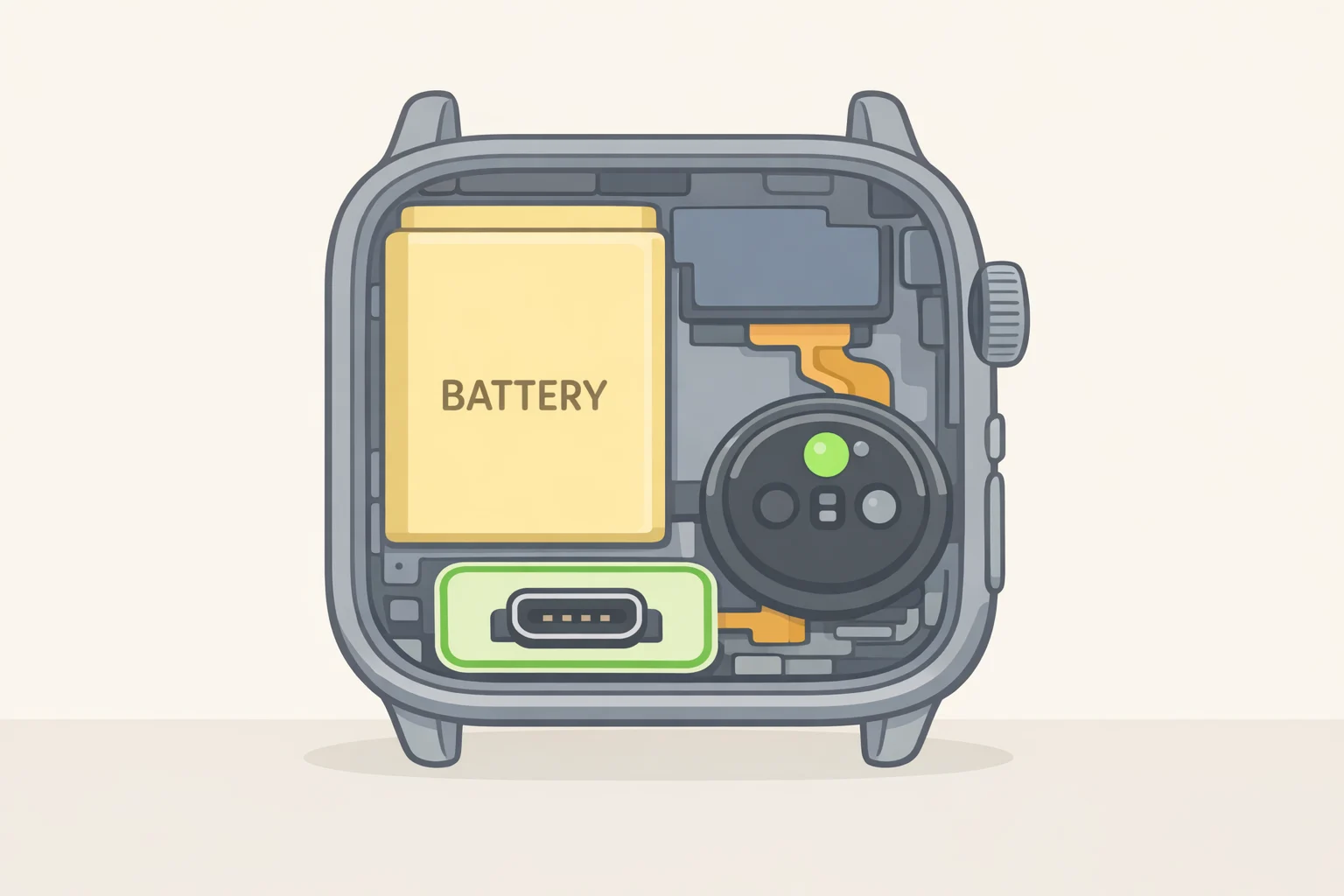
A USB-C receptacle takes up physical space inside the case, competing for room with a battery, sensors, antennas, and buttons packed into a footprint smaller than a matchbox. BGR notes that a port would eat into a device that already needs to make the most of its small form factor, and the thinnest smartwatches and fitness trackers may simply have nowhere to put one (BGR).
Google's Pixel Watch 2 shows that squeeze in practice. For the second-generation watch, Google and Fitbit replaced the original single-strip heart rate sensor with a new multipath system, purportedly meant to improve accuracy by 40 percent during vigorous activity (The Verge).
That sensor upgrade took up more internal room, and The Verge reported it left less space inside the case for charging components, one factor in the switch away from the original wireless charging puck (The Verge). Add a sensor, and something else has to give.
USB-C ports and smartwatch waterproofing
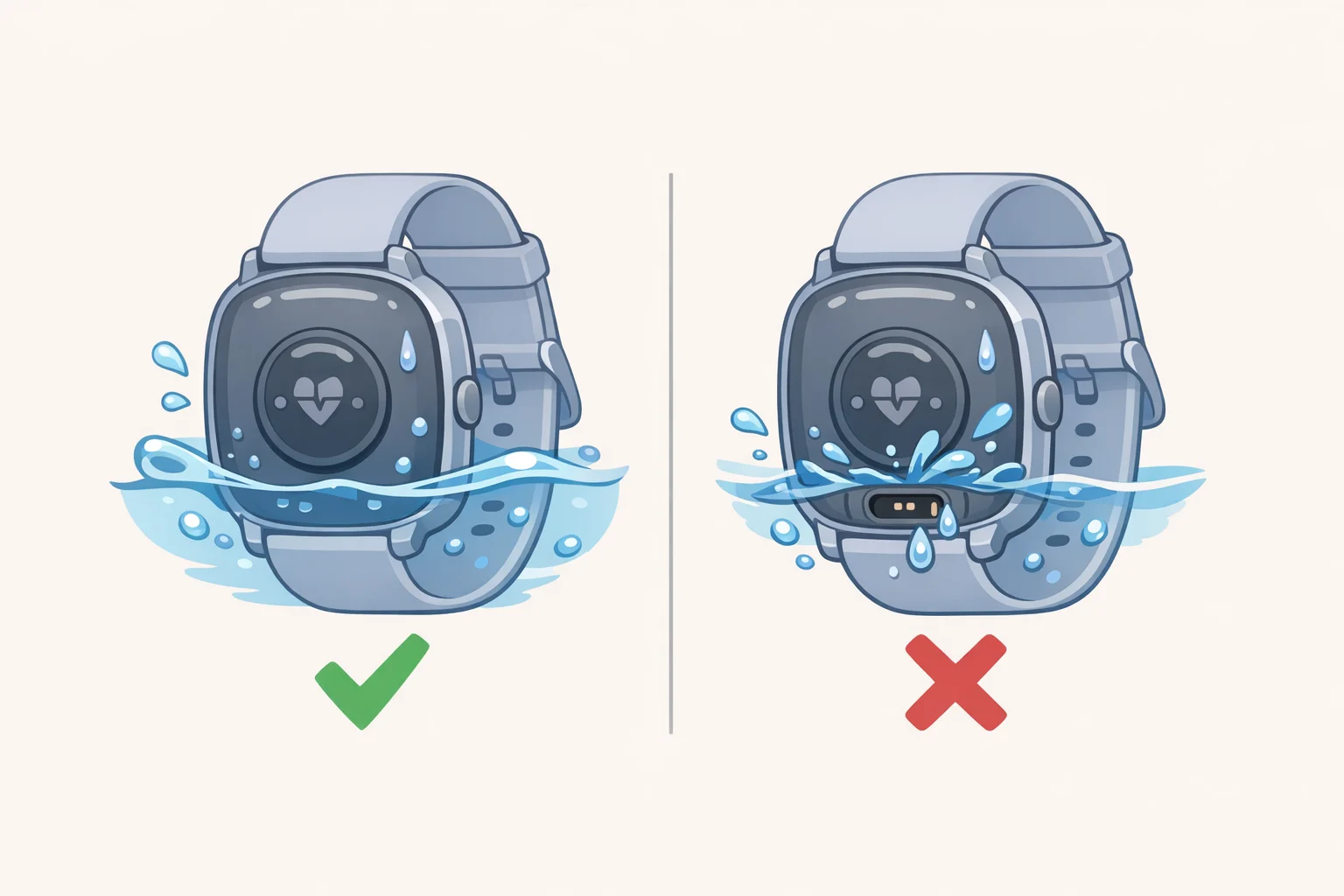
There's a second constraint layered on the first: cutting a USB-C opening into a watch case would undercut the waterproofing that swim-focused wearables depend on, a real cost in a category where swim tracking sells watches (BGR).
That doesn't make USB-C fundamentally at odds with getting wet. The issue for a watch is more specific: a port adds another opening that must be sealed, while also consuming scarce space in a case that has little to spare (BGR). That combination, more than the port itself, is what makes cutting a USB-C opening into a compact, swim-ready watch a difficult trade to justify.
Video of the Day
How pogo pins and magnetic chargers work, and why makers stick with them
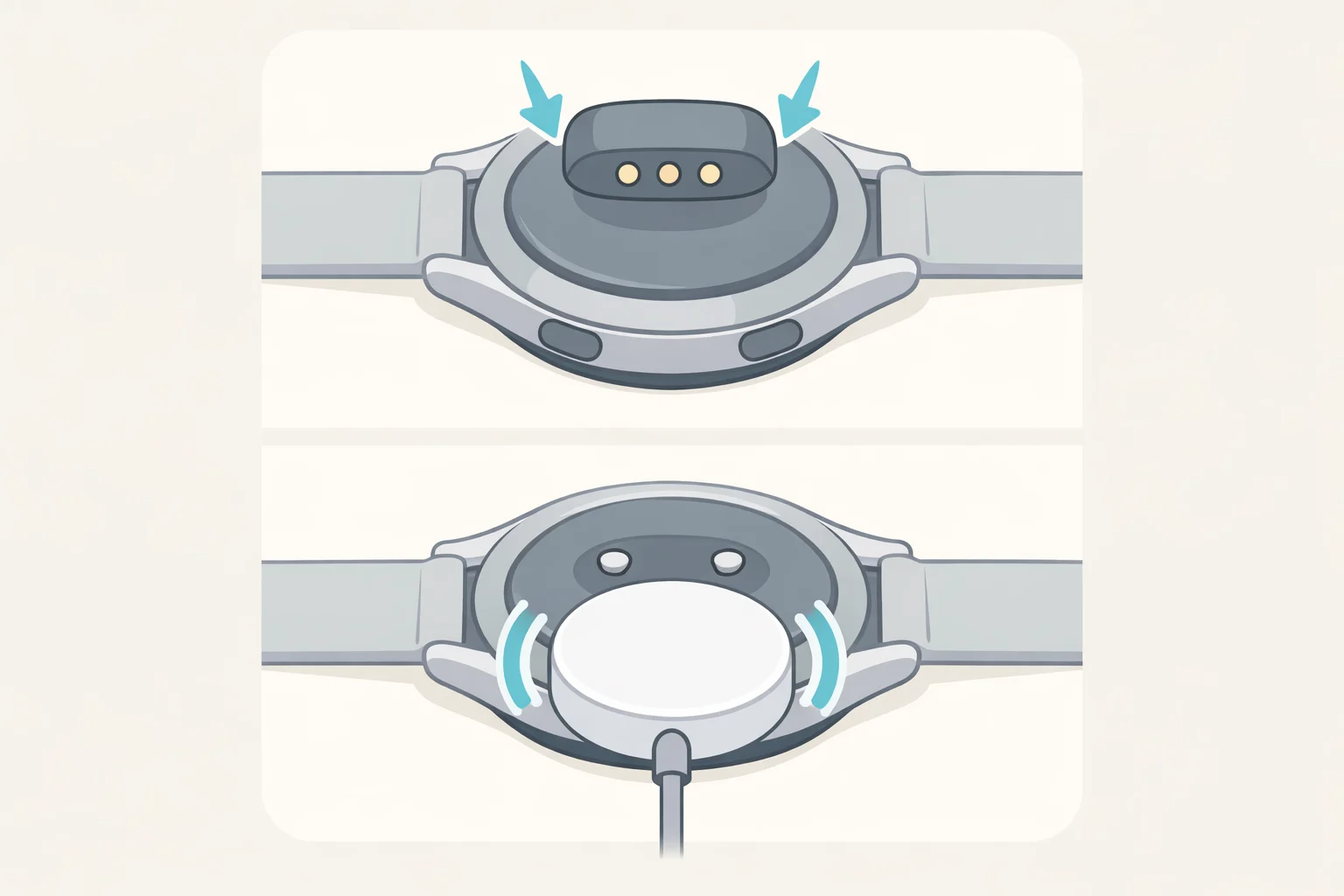
Instead of a port, many watches charge through pogo pins, small spring-loaded contacts that touch corresponding pads on the watch, or through a magnetic puck that snaps into alignment on its own. Fitbit uses pin-based charging across its entire lineup, and Garmin still primarily relies on pins, as do many Fossil chargers (The Verge).
It helps to separate two things here: the plug on the wall end of the cable, and the connector that actually touches the watch. Several major GPS watch makers still ship cables with USB-A plugs on the adapter side, according to Android Authority (Android Authority). The part that resists standardization isn't the wall plug; it's the watch-side pins or magnets, the piece that has to fit each company's own case design.
None of this is just old habit companies never got around to fixing. Direct metal-to-metal contact charges more efficiently and stays cooler than a wireless pad, and there's no guesswork about alignment the way there is with a Qi puck, according to Android Authority (Android Authority). Pin contact also charges faster than wireless charging, which matters when a watch's battery life is already limited, per The Verge (The Verge).
Google's Pixel Watch 4 makes that speed argument concrete. Its Quick Charge Dock, a two-pin magnetic connector, charges roughly 25 percent faster than the Pixel Watch 3's charger. The 41mm model reaches 50 percent battery in 15 minutes and a full charge in 45, compared with 24 minutes and 60 minutes on its predecessor (Android Central). That difference matters because many people have only a short window to top off a watch before heading out the door.
The trade-off shows up on the underside of the watch itself. Pins sit in an exposed opening where they pick up dirt, sweat, and moisture throughout the day; Android Authority reported in 2024 that Coros ships a small rubber cover to protect the contacts, one that's easy to misplace since it isn't attached to anything (Android Authority). Over time, exposure like that can corrode pins or cause them to snap off if a charger isn't stored carefully, a wear pattern The Verge has also noted (The Verge).
Why smartwatches use proprietary chargers
Because each company designs its own connector layout, switching brands typically means buying new charging hardware entirely; an Apple Watch cable simply won't charge a Samsung device (BGR). The same custom-fit design that gives manufacturers control over the charging connection also prevents easy standardization across brands, the way USB-C did for phones.
Google's own lineup shows that brand loyalty offers no guarantee either. The original Pixel Watch charged wirelessly through a puck; the Pixel Watch 2 switched to pogo pins, a change complete enough that the old puck stopped working, and The Verge reported that first-generation Pixel Watch cases appeared incompatible with the newer model too (The Verge).
The Pixel Watch 4 continues the pattern. While Google's Pixel 10 phones adopted the Qi2-based Pixelsnap magnetic charging standard, the Pixel Watch 4 uses its own two-pin dock that isn't compatible with Qi or Qi2, so owners need a dedicated cable for that watch (Android Central).
Chargers that fall out of use this way add up. BGR and The Verge both link this cycle of proprietary hardware to e-waste, which is rarely disposed of or recycled properly, contributing to pollution and the loss of recoverable materials (BGR; The Verge).
Could Qi2 fix this?
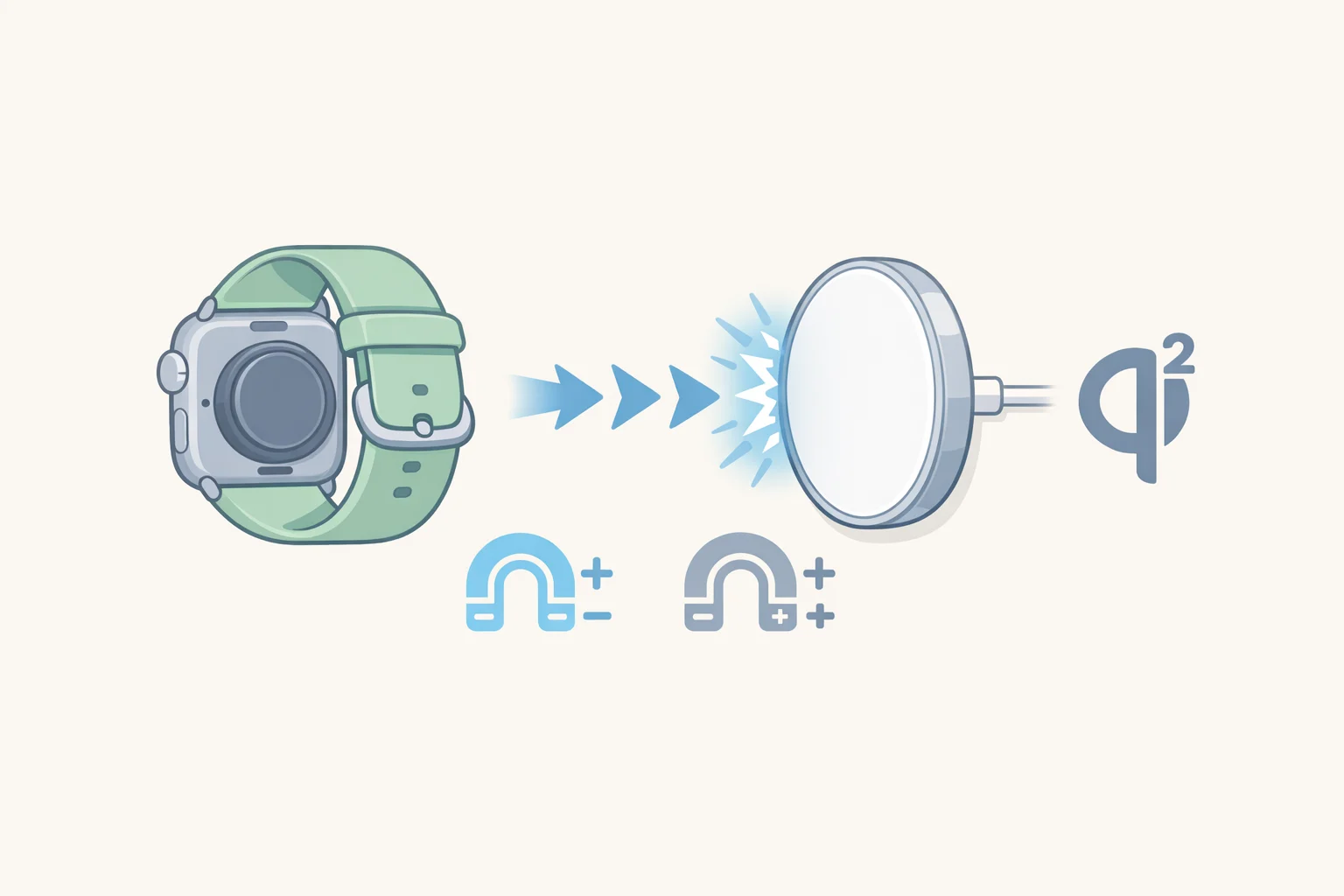
Qi2, announced by the Wireless Power Consortium in January 2023, brings magnetically aligned wireless charging similar in concept to Apple's MagSafe. It's the standard most often floated as the eventual fix for wearable charger fragmentation (Android Authority).
Adoption has been slow to catch up. Android Authority reported in 2024 that Qi2 had been on a slow road for more than a year after launch, with compatible devices still limited (Android Authority). A year later, Android Central found the picture largely unchanged for watches: some Android models, including Samsung's Galaxy Watch line, still used charging coils that weren't Qi compatible (Android Central).
Even a full switch to Qi2 wouldn't close the speed gap. Watch charging coils are small by necessity, and even with a better standard, that small coil remains a physical constraint on charging speed, according to Android Authority (Android Authority).
Some industry analysts argue against forcing the issue through regulation, too. "Smartwatch designs are a delicate balancing act, and a mandated wireless charging coil would stifle innovation in other areas," Jitesh Ubrani, IDC's research manager of worldwide device trackers, told Android Central (Android Central). That's worth reading as one analyst's opinion rather than evidence of a settled industry position.
The standardization question gets harder still once a device crosses into regulated medical territory, a different category from the consumer smartwatches most readers wear. Ignitec, which designs medical wearables, notes that wireless charging systems in that space require their own electromagnetic-compatibility risk assessment, and that no single harmonized standard yet covers wireless power transfer for wearable or implantable medical devices (Ignitec). Picking one standard gets more complicated, not less, once wireless charging is built into a regulated medical device.
Where the charger drawer goes from here
The absence of USB-C on your wrist isn't an industry oversight. It reflects a real constraint: less internal space, and a sealing challenge for any device meant to survive a swim (BGR).
Pin charging persists because it can be the better trade-off for a small, battery-limited device, not because manufacturers are dragging their feet. The Pixel Watch 4's charging-time gains over its predecessor make that case plainly (Android Central). The cost still lands on the person wearing the watch: stranded chargers, cross-brand incompatibility, and a steady contribution to e-waste.
Qi2 offers a plausible middle ground between phones and watches, but it has yet to become a universal watch-charging standard, and even a full rollout wouldn't match the speed of a direct pin connection. Watch for concrete signals instead: a major smartwatch that actually ships with Qi2 support and certification, or two competing brands agreeing to share a pin layout across future generations. Neither is guaranteed. Until one of them happens, keep the dedicated cable.