Stephen King Review of the New Carrie TV Show: What He OK'd
There is no Stephen King review of the new Carrie TV show, at least not yet. What exists instead is Mike Flanagan's account that King approved the season's pitch months before a single frame was shot, and that both men started from the same skeptical place: why remake Carrie at all.
That distinction matters. Flanagan told TheWrap at TIFF this week that he wouldn't have moved forward without King's blessing, but the outlet's report contains no direct comment from King about the finished episodes themselves.
The eight-episode series lands on Prime Video Oct. 7, marking the novel's first TV series adaptation. King's book has already been through a 1976 feature film, a 1999 sequel, a 2002 made-for-TV movie, and a 2013 remake, but never a serialized run. The first two episodes screened for audiences at TIFF this week, ahead of the wider premiere (TheWrap; Deadline).
Stephen King's reaction to the Carrie Prime Video series was about the pitch
Video of the Day
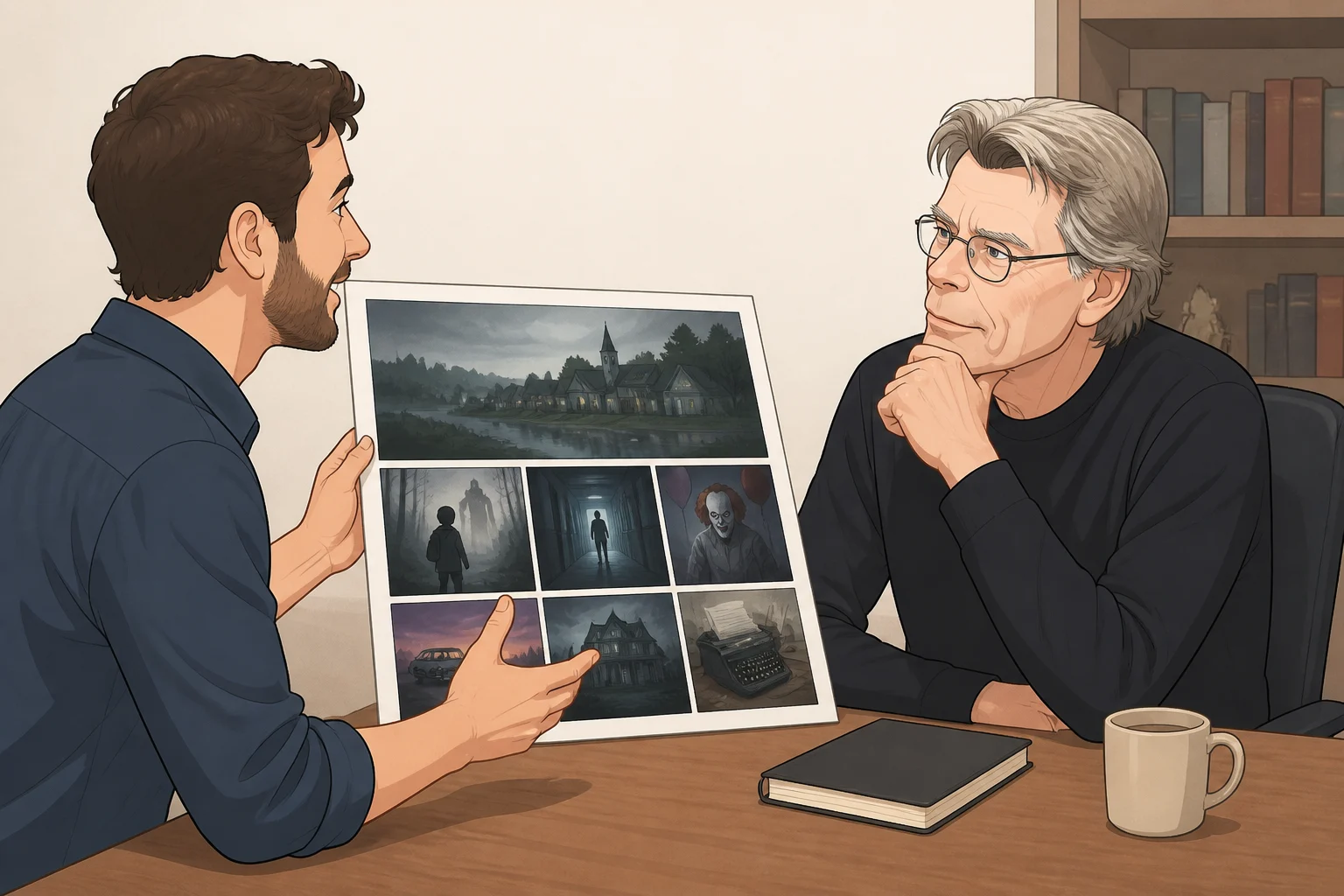
Flanagan said he and King landed on the exact same question when the idea of reviving Carrie first came up: why? He pitched it anyway (TheWrap).
He also said he took the concept to King before showing it to anyone else, reasoning that "if he's not in favor of anything, I'm not going to proceed," according to TheWrap.
After walking King through the full season, Flanagan said the author "loved it" and called the concept "really timely and really relevant," adding that the project became one of his favorites to work on (TheWrap). That's Flanagan's characterization of the conversation, not a statement issued by King himself.
What's on record, then, is a full-season pitch that reportedly won King over before production began. It isn't a post-screening endorsement of the eight finished episodes, and nothing in the reporting suggests King has watched them.
Video of the Day
The contemporary case for remaking Carrie
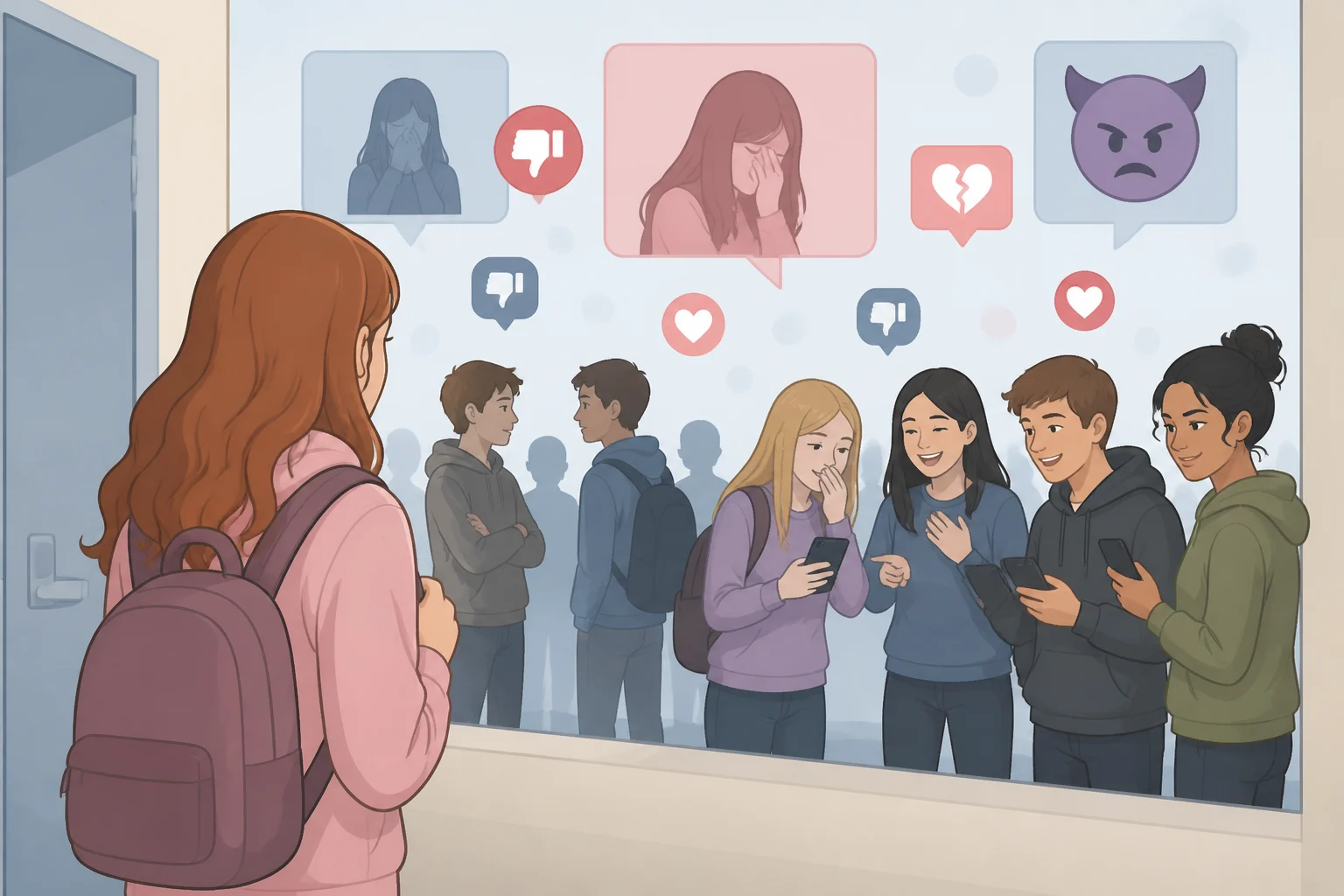
Flanagan has been careful to frame this version as something other than a rematch with Brian De Palma's 1976 film. He's called that movie "iconic" and "untouchable," saying there's "no reason whatsoever" to walk the same path, before adding that the world has "changed quite a lot" since then (Deadline).
His pitch leans into that change. Flanagan has described the show tackling active shooter drills, the permanence of mistakes on social media, and what he calls "microaggressions" that don't always look like targeted harassment on the surface (Deadline).
The updated premise sends Carrie White into public high school for the first time after her father's sudden death, where a viral bullying scandal collides with the emergence of her telekinesis (Deadline).
Flanagan said this approach, built around how the internet "rewards and celebrates and amplifies" cruelty, is what got King excited about the adaptation (Deadline). Deadline's report doesn't isolate one specific plot beat as the deciding factor; it's the overall modern framing that Flanagan credits.
What's confirmed to change, and what's still trailer speculation
Some departures from the source material are confirmed by the people making the show. Flanagan told the Comic-Con crowd that viewers who think they know this story are in for "a big surprise," and the cast echoed him, promising "many surprises in store" (Deadline).
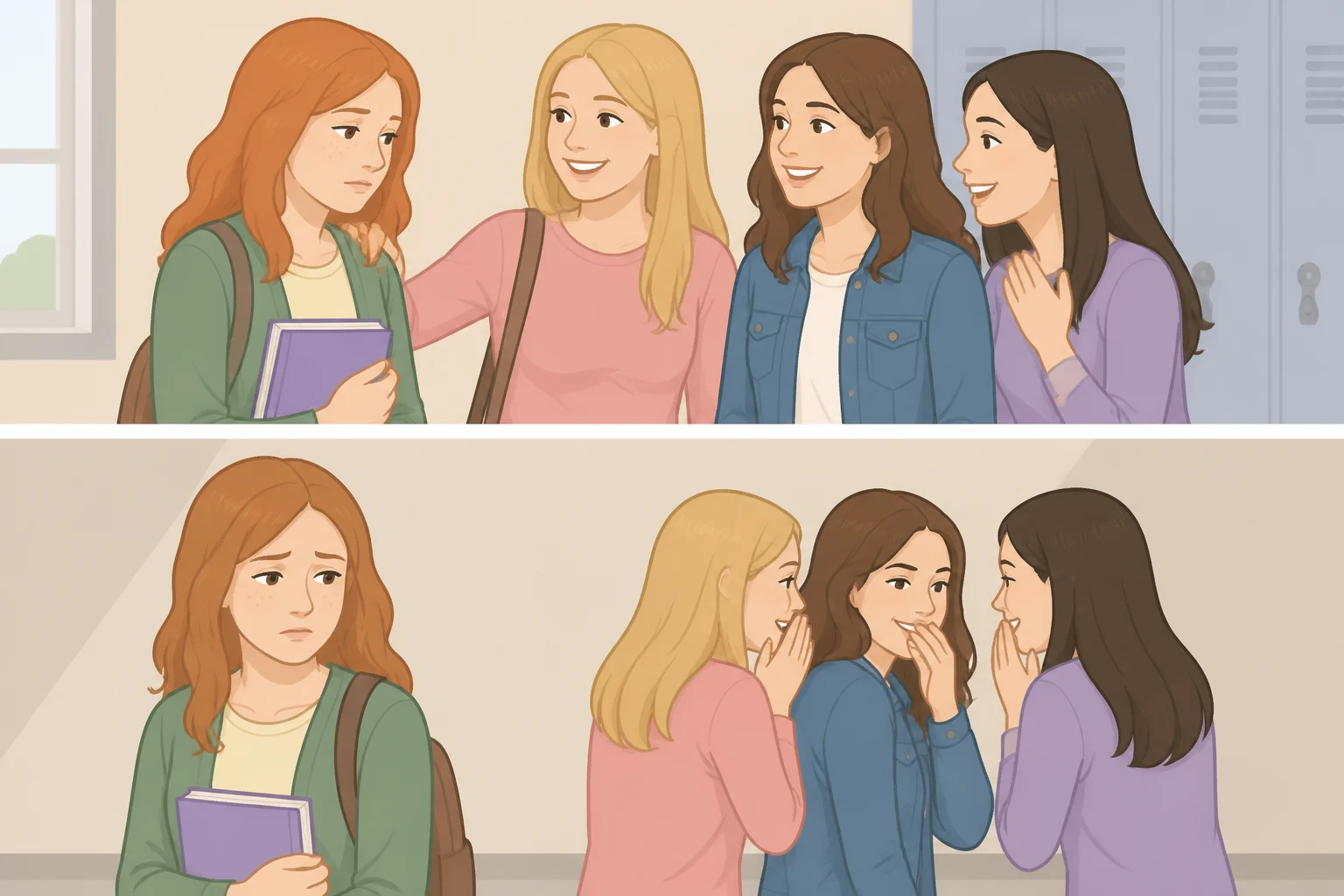
One confirmed shift involves Carrie's temperament. Star Summer Howell has described her version of the character as open and eager to make friends walking into school, a notable departure from King's novel, where Carrie is slightly overweight, acne-prone, and, importantly, never fooled about who her tormentors are (Deadline; CBR).
That last detail is where CBR's trailer analysis gets specific. The site notes that footage suggests classmates posing as friends may deceive this Carrie before turning on her, a dynamic absent from the book, where she always understood exactly who was against her (CBR).
The prom, meanwhile, isn't just trailer guesswork. Flanagan has directly promised the sequence won't end the way fans expect, a statement CBR reports as coming from the filmmaker himself rather than something inferred from footage (CBR). Given how central that scene is to the book and both prior films, it's the clearest signal yet that this version intends to break from expectation rather than just modernize the setting.
The cast and timeline behind the new Carrie TV adaptation on Prime Video
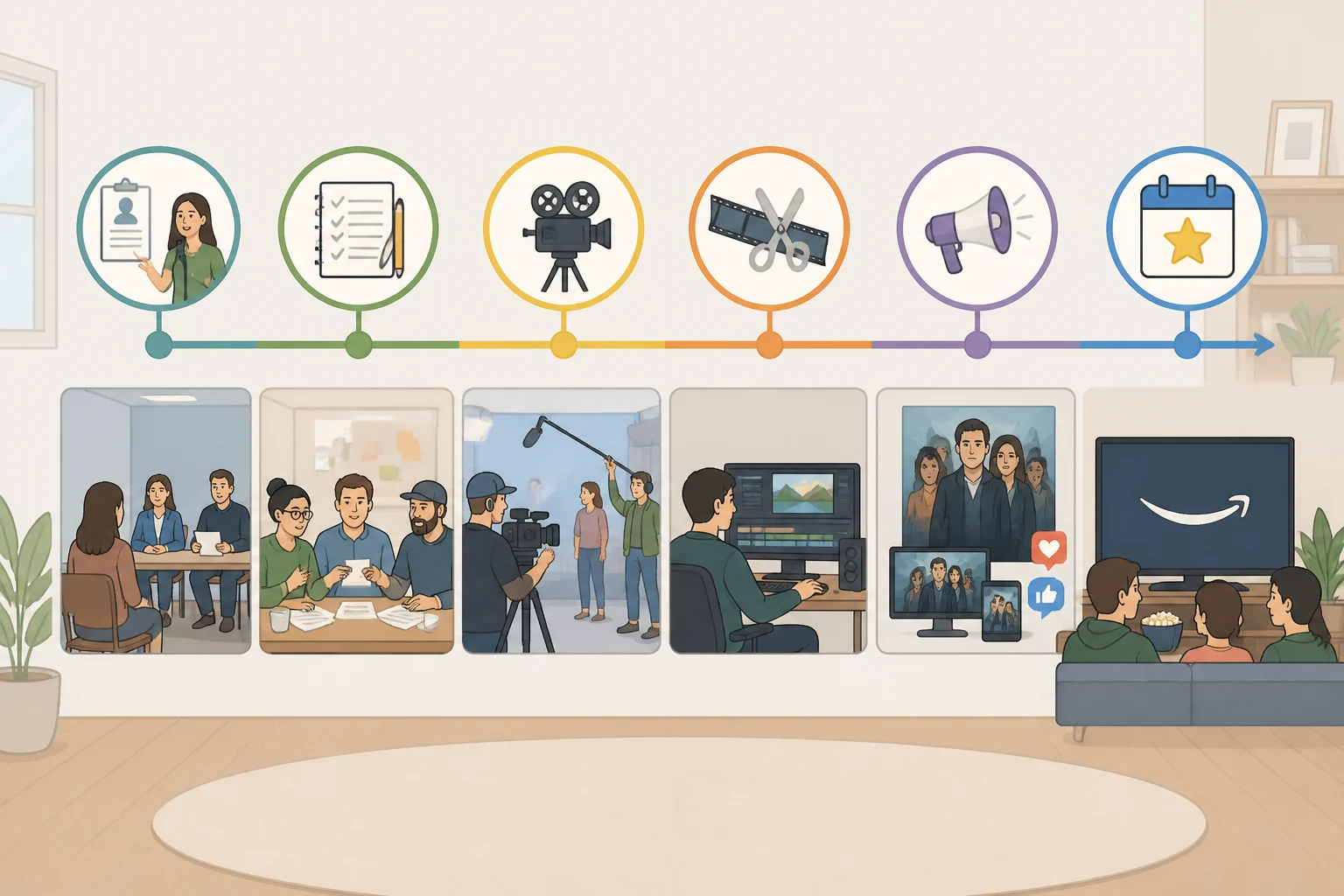
Howell was chosen from more than a thousand auditions to play Carrie White, and she's described the role as something of a reversal for her personally. Having gone through public school herself, she said playing a character experiencing it for the first time felt like "this backwards journey" that required her to ask, "how would I have reacted if I were Carrie?" (Deadline).
The rest of the cast fills out a large ensemble: Samantha Sloyan as Margaret White, Matthew Lillard as Principal Grayle, Alison Thornton as Chris Hargensen, Amber Midthunder as Miss Desjardin, Siena Agudong as Sue Snell, along with Heather Graham, Katee Sackhoff, Kate Siegel, Michael Trucco, Rahul Kohli, Crystal Balint, and Danielle Klaudt in supporting roles (Deadline).
Thornton, who plays mean girl Chris Hargensen, said the tone of the material made trust between cast members essential from the start, calling the set "a safe space" given how dark the story gets (Deadline).
Deadline first reported Flanagan's Carrie project two years ago, and production wrapped last year. Prime Video revealed the Oct. 7 release date and the first teaser trailer at a Comic-Con panel this summer (Deadline).
What's confirmed, and what isn't
What can be said with confidence: Flanagan reports that King backed the season's concept before production started, calling it timely and relevant. What can't be said yet is whether King has watched, or reviewed, the completed series. No such statement has surfaced.
That gap will close on its own terms. Once general audiences and critics can sit with all eight episodes, they'll be able to weigh Flanagan's modern reframing against both King's novel and De Palma's film, the same comparison the marketing has leaned into by promising surprise while still trading on a story most viewers think they already know.