Wide-screen foldable smartphones pull ahead: buyer guide
Worldwide smartphone shipments are headed for their steepest annual drop on record, falling 16.7% in 2026 as a memory-chip shortage pushes prices higher across the board (IDC, two months ago). Foldables are the one category still growing, up 12.6% for the year. Underneath that single number sit two separate shifts: phone makers are shipping far more book-style, in-fold panels than clamshell flip-phone panels, and within that book-style category, wide-screen foldable smartphones are gaining share over the narrower aspect ratio Omdia uses as its comparison point.
That distinction matters because headlines tend to blur the two together. One trend is about fold type: book-style foldable smartphones have overtaken clamshells by a wide margin in shipment data. The other is about screen shape within that book-fold category, where wider ratios like 4:3 and 14:10 are gaining ground against the conventional 10:9 inner and 21:9 outer display pairing (Omdia, published today). Neither trend confirms that a specific wide-screen foldable has reached shelves in your region at a price you can verify today, so treat what follows as a map of where the category is headed, not a guarantee of what's buyable right now.
Three foldable growth numbers, and what they actually measure
Video of the Day
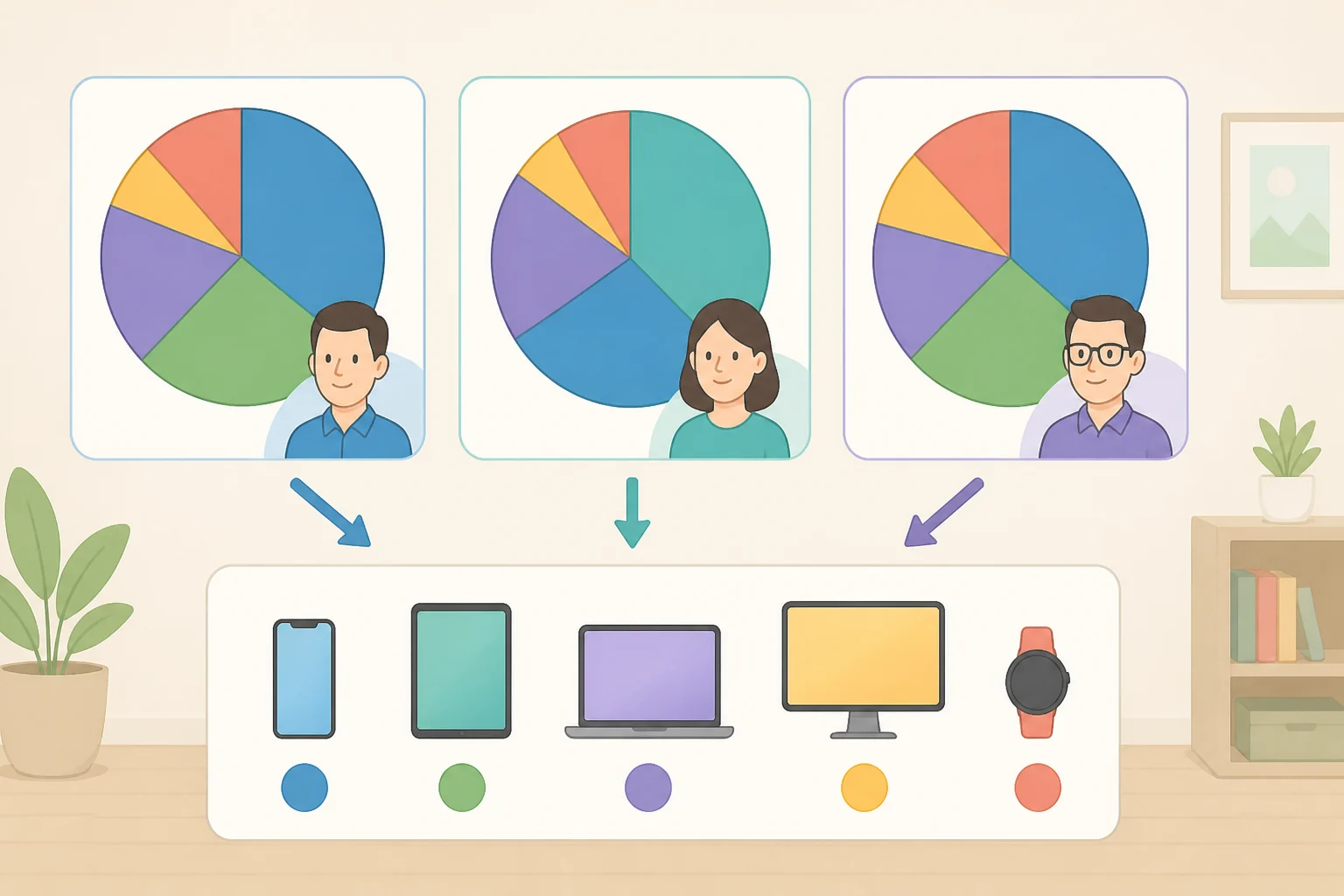
Anyone comparing foldable statistics this year runs into three measurements that sound interchangeable but aren't. Counterpoint Research tracks foldable panel shipments across every fold type and forecasts 23% growth for 2026. Omdia tracks foldable AMOLED display shipments specifically and expects those to climb 44% to 29 million units. IDC tracks finished foldable smartphone units and projects 12.6% growth to 22.9 million devices (Counterpoint Research, last month; Omdia, published today; IDC, two months ago).
These numbers describe different slices of the same supply chain, not three versions of one trend. Counterpoint's 23% figure covers in-fold, clamshell and multi-fold panels combined. Omdia's 44% is narrower: it's the share of foldable panel shipments carrying a wide aspect ratio, not the share that fold book-style. Fold type and screen shape are separate questions, and treating them as one overstates how uniform this shift really is.
Omdia explains why display and device numbers can drift apart in the first place. Displays typically ship ahead of final device assembly, so a surge in panel orders can lead or lag actual phone production depending on inventory cycles (Omdia, published today). A factory shipping more foldable AMOLED displays this quarter doesn't mean more finished phones reached stores that same quarter, let alone sold through to buyers.
Counterpoint's full-year panel forecast shows how much that gap matters in practice. Shipments fell 13% year over year in the first half of 2026, and the projected 23% annual growth depends on a second-half rebound of 71% year over year, with Apple and Samsung launches expected to carry that ramp-up (Counterpoint Research, last month). A forecast riding on two unlaunched products in the second half is a forecast with a lot riding on execution.
One part of this picture is already settled in the supply data, regardless of how that rebound plays out. In-fold panel shipments grew 35% year over year in the first half of 2026 while clamshell panel shipments fell 62%, and by the second quarter, book-style panels made up nearly 80% of all foldable panel shipments. Counterpoint's full-year forecast puts that even higher, with in-fold panels reaching 81% share for 2026 against 16% for clamshells (Counterpoint Research, last month).
That's a manufacturing and launch-planning signal, not direct proof that flip-phone owners are trading in their devices en masse. The data shows fewer clamshell panels moving through the supply chain; it says more about where Samsung, Huawei and other brands are placing production bets than about what's actually selling at the register.
Even with that pivot, foldables as a whole still account for only about 2% of the global smartphone market, and prices remain roughly three times higher than a conventional slab phone. Counterpoint has been direct about what that means: mass-market adoption is still some years away (Counterpoint Research, last month). Component costs aren't making that gap any easier to close. NAND and DRAM prices are up more than 300% year over year, which has already pushed the average smartphone's selling price to $581, a 27.6% jump, with IDC expecting prices to keep climbing into 2027 (IDC, two months ago). That figure covers smartphone pricing broadly rather than the foldable-to-slab gap specifically, but rising component costs give buyers little reason to assume the foldable premium disappears any time soon.
Video of the Day
Where wide-screen foldable smartphones fit in
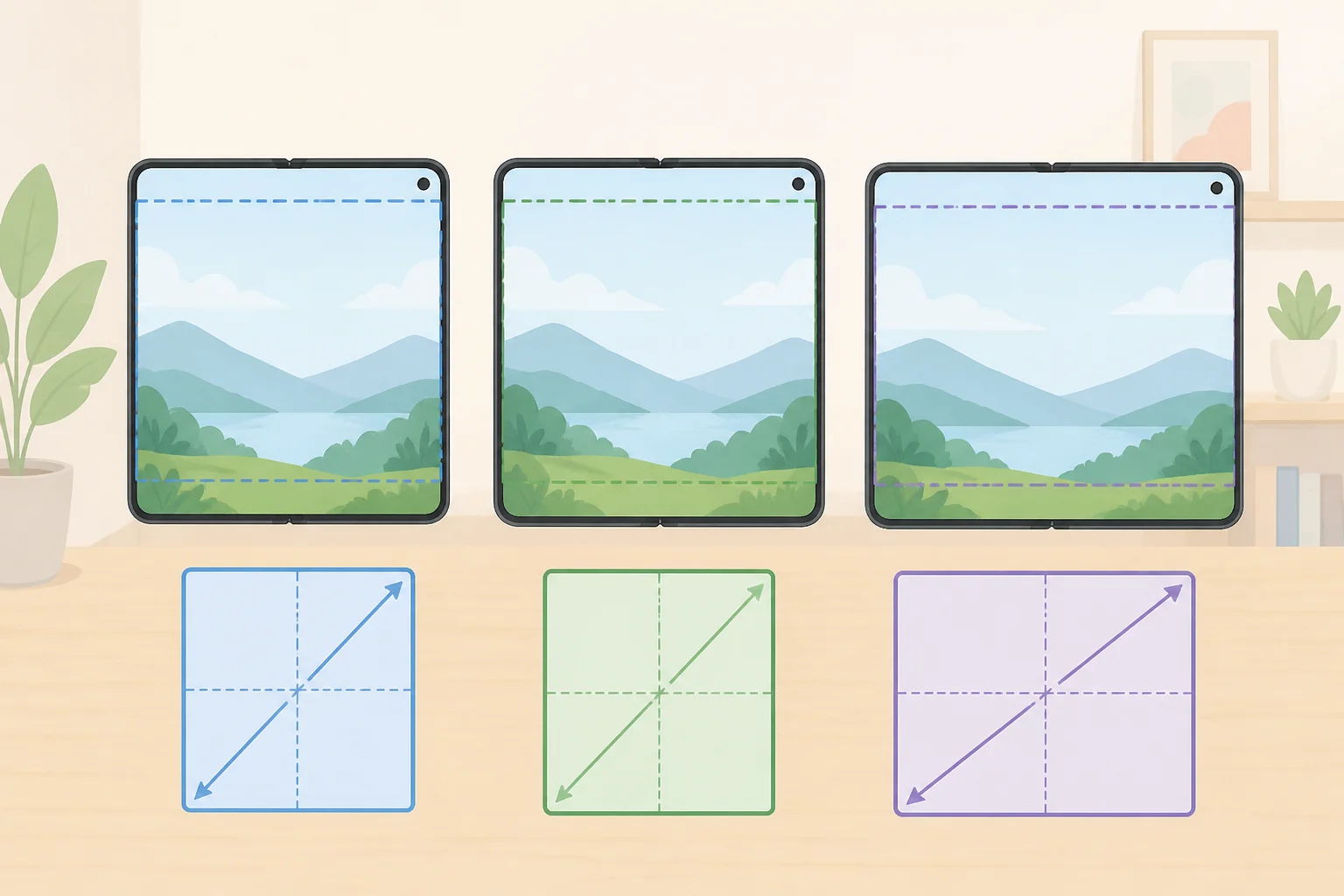
Wide aspect ratio foldable phones, the 4:3 and 14:10 designs, are forecast to account for 44% of total foldable panel shipments in 2026, a share Omdia expects to clear 60% in 2027 as more Chinese manufacturers adopt the format (Omdia, published today). That's a narrower slice than "every book-style foldable." Omdia frames the comparison against a specific baseline: a conventional 10:9 inner display paired with a 21:9 outer display.
The reasoning behind that shift is specific, not vague marketing language. Compared with that older combination, a 4:3 or 14:10 inner panel supports tablet-style multitasking plus content consumption such as web browsing, social apps and productivity work. Omdia also describes the market's early response to the format as positive, reading it as a successful initial adoption phase, though that's Omdia's interpretation of a young category rather than independently verified sales data.
Supply is concentrated, too. Samsung Display is expected to extend its lead in 2026 through an exclusive supply role for AMOLED panels going into the Galaxy Fold8 and the device Omdia identifies as the Apple iPhone Duo, pushing its overall foldable-display share to 66%. "iPhone Duo" is the label Omdia uses in its own supply-chain forecast, not a name Apple has confirmed. Omdia folds an Apple foldable into that exclusive-supply arrangement, though Apple itself hasn't confirmed specs, pricing or a region-by-region rollout, details the next section digs into.
What's confirmed about Apple's foldable, and what isn't

Counterpoint's forecast from last month anticipated an Apple unveiling within days, and it described the device with hedged language throughout, calling it "expected," "likely" and "rumored" (Counterpoint Research, last month). Omdia's research, published today, indicates that introduction has since happened: Samsung and Apple introduced book-type foldable smartphones with wider aspect ratio screens in 2026 (Omdia, published today). That confirms a category introduction took place, not a complete set of final specs. Omdia's report doesn't include a primary Apple statement on pricing, exact specifications or a region-by-region launch schedule, so treat those details as unverified until Apple publishes them directly.
The market-share numbers tied to that entry are still forecasts, not settled outcomes. Counterpoint projects Apple could represent up to 27% of full-year foldable panel shipments, concentrated entirely in the second half of 2026, and separately estimates up to 6 million foldable iPhone units this year, enough for a 25% global share and the No. 2 spot behind Samsung's 38% (Counterpoint Research, last month). Counterpoint also flags that early supply constraints are unavoidable, so sales are likely to ramp gradually rather than hit full scale right away. IDC's separate 2027 forecast goes further out, projecting Apple shipping more than 17 million foldable iPhones for roughly 40% of the category, at an average selling price above $2,550, an analyst's read on likely premium positioning rather than a price Apple has confirmed (IDC, two months ago).
Which fold shape fits how you use your phone
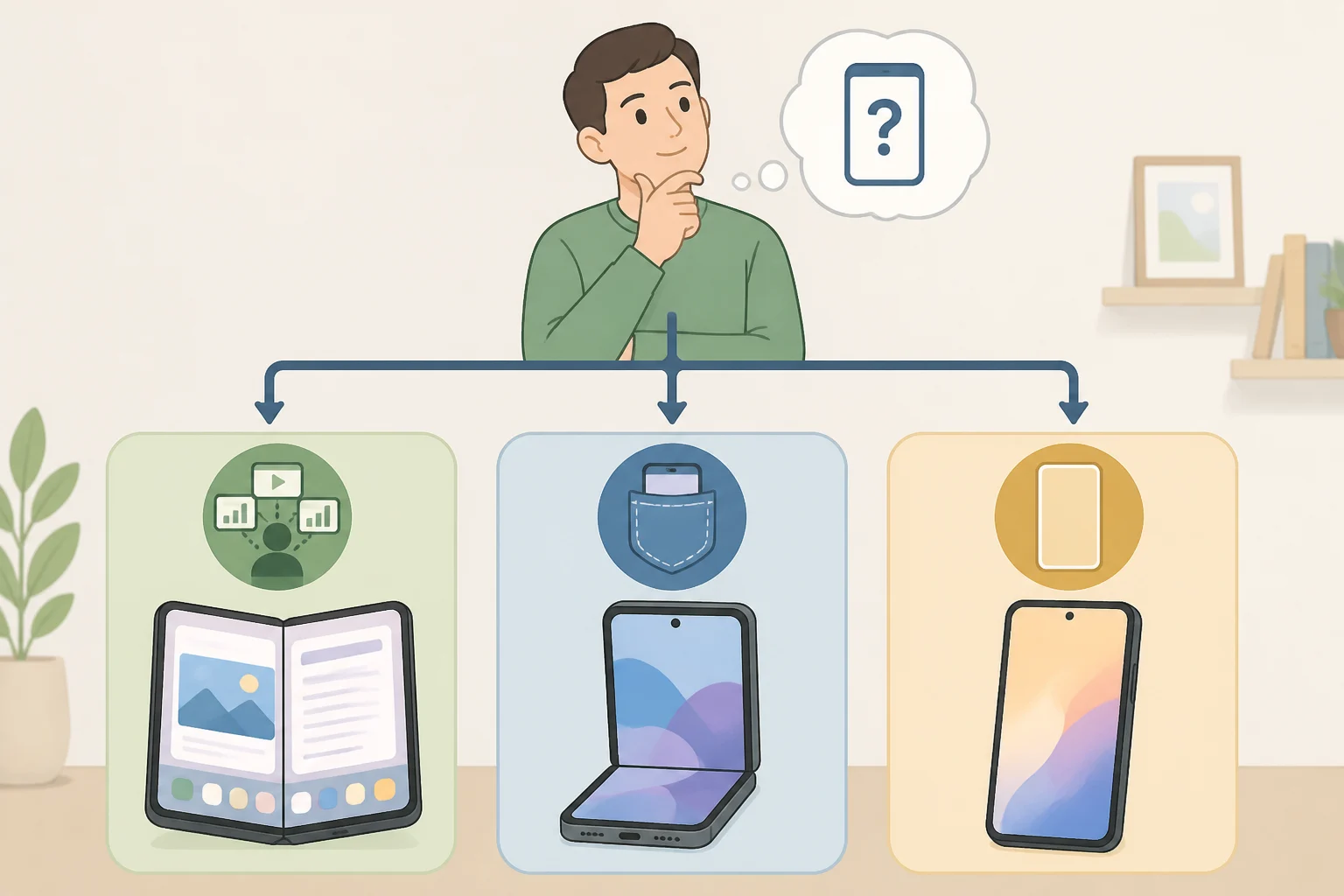
Category-wide forecasts aside, the shape that fits an individual buyer comes down to a handful of concrete trade-offs, not shipment percentages.
Choose a wide inner display if multitasking is a real habit, not an occasional convenience: running two apps side by side, reading long documents, juggling browser tabs, or watching video during a commute. Those are the exact use cases Omdia credits for wider foldable phone displays gaining traction over the older, narrower combination. Before buying, test the actual apps used daily in a split-screen demo rather than assuming compatibility. Resizable windows on a 4:3 or 14:10 panel behave differently in portrait versus landscape, and not every app supports free-form resizing even on a device built for it, so check whether email, browser and document apps actually snap into usable layouts rather than just launching side by side.
Choose a clamshell if pocketability and quick outer-screen tasks, checking notifications, snapping a photo, replying to a message, matter more than tablet-style screen space. Declining clamshell panel orders reflect where manufacturers are shifting production, not an imminent disappearance of flip phones from current lineups or their software support. Before buying, compare outer-screen width across models for one-handed typing, and look at battery results specifically under cover-screen use, since quick-task power draw doesn't always track with full-unfold battery numbers.
Choose a traditional slab smartphone if the productivity upside of a fold doesn't justify roughly triple the price of a conventional phone, plus the added weight and the durability questions still attached to a folding screen. If the appeal is mostly wanting a bigger screen occasionally rather than daily multitasking, weigh whether a larger slab display gets most of the way there without the premium or the crease.
Consumer appetite for foldables looks real, but it comes with conditions attached. A SmartTech Research survey conducted in May 2026 found that 58.4% of relevant respondents said they're very or somewhat open to considering a foldable as their next phone, against 21.3% who aren't; of 531 total U.S. respondents, 320 answered that core purchase question and 291 completed deeper questions about foldables specifically (Forbes Tech Council, reported three months ago). That's a useful directional signal, though the same survey's topline finding is that buyers still want stronger proof on value, durability and price before committing.
Durability is being engineered against, not yet solved. UBI Research's 2026 foldable display report identifies this as the year crease reduction moved from a hinge-centric fix to panel-level structural control, with thicker ultra-thin glass, multi-neutral-plane designs and new hinge materials converging toward what the report calls a "zero crease" goal (UBI Research, two months ago). That's meaningful engineering progress, but it describes ongoing work, not a finished result. Independent testing, not manufacturer design notes, is what will actually confirm whether crease visibility and long-term durability hold up on a specific model.
Before buying any wide-screen foldable, run through a short checklist instead of trusting a spec sheet. Check crease visibility at normal viewing angles in person, not in marketing photos. Confirm hinge and dust-resistance ratings, and look up the repair cost for the inner screen specifically, since that panel is the most expensive single component if it cracks. Run a multitasking-heavy session, two apps open, screen brightness up, for an hour and compare the battery drain against the spec sheet's idle numbers. Then price the device after trade-in credits or carrier promotions, since foldable deals vary widely by region and carrier and the sticker price rarely matches what buyers actually pay.
What to do next
The supply data backs a real pivot from clamshell to book-style folds, and wider 4:3 and 14:10 screens are a genuine, separate trend gaining share inside that pivot. It doesn't prove a wide-screen foldable is ready to replace a conventional phone for most people, and the strongest 2026 growth figures still rest on Apple and Samsung volumes whose full pricing and specs Apple hasn't yet confirmed directly.
Buy a current-generation wide-screen foldable now if the multitasking use case is genuine and independent reviews hold up on crease visibility, hinge durability and real-world battery life. Otherwise, wait for verified pricing, confirmed regional availability and independent durability testing before paying a premium that's still roughly triple the cost of a traditional slab smartphone.