Spotify Family plan QR code verification: 7-day deadline
Spotify is requiring some Premium Family members to scan a QR code on the plan manager's phone to prove they live in the same household. Co-CEO Alex Norström confirmed the rollout on this week's earnings call, and the stakes are immediate: members who get flagged have seven days to complete the scan. Miss that window, and the member gets locked out of the shared plan and can't join a different Family or Duo plan for 12 months, according to Engadget.
Spotify's own wording leaves plenty unanswered. The company says it "may" ask "some" Premium Family members to verify, per reporting from Engadget, and none of the reports reviewed for this article detail the rollout's full geographic scope or how Spotify selects which accounts get flagged. Here's how Spotify Family plan QR code verification actually works, what's confirmed versus still murky, and what plan managers and members should check before a notification shows up.
How Spotify Family plan QR code verification works
Video of the Day
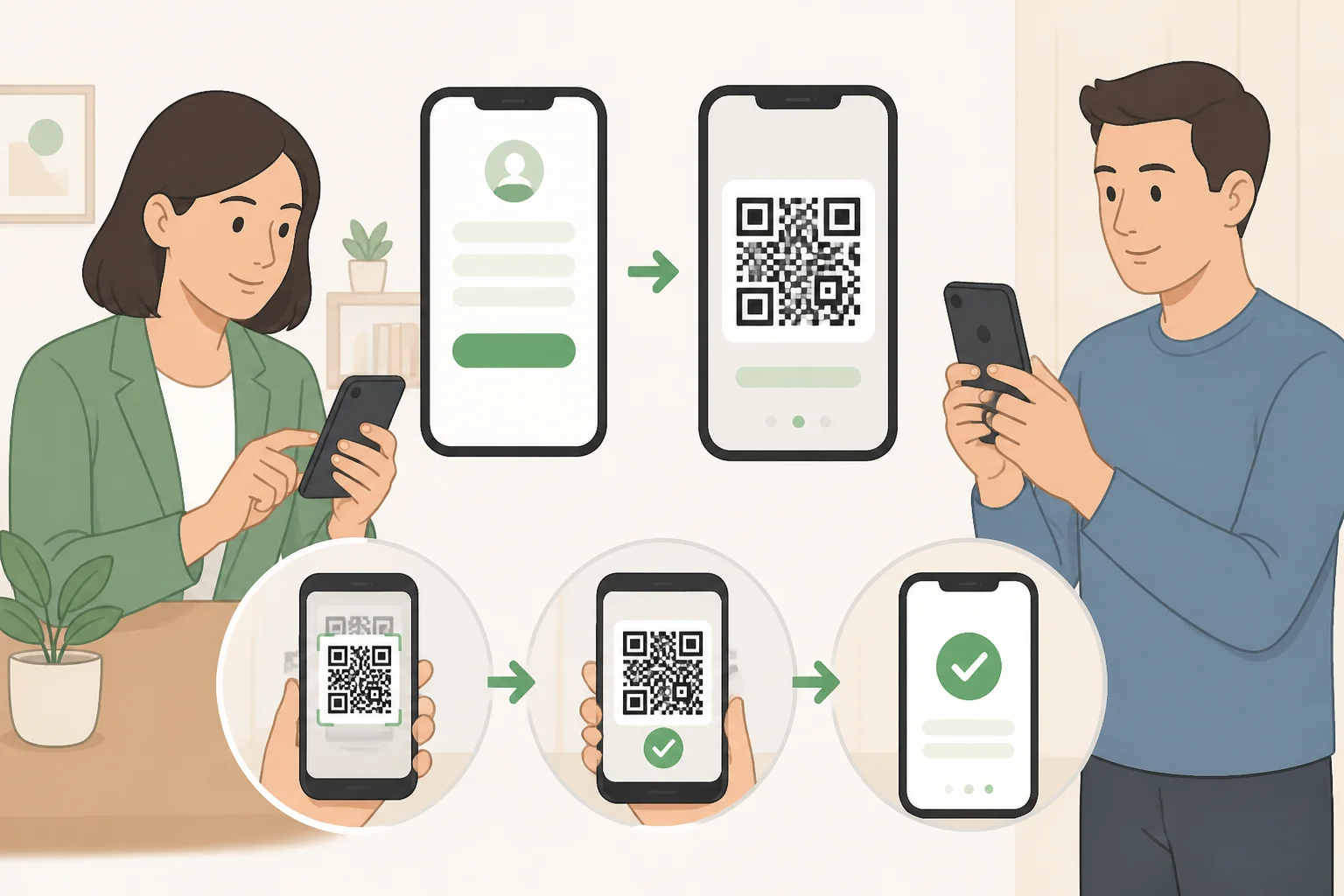
The process is simple on paper. The plan manager opens Spotify, taps their profile picture, then Your Premium, then Manage, and generates a code. The flagged member scans it with their own phone camera, and both people need to be in the same place to complete the check, according to PCMag and TechSpot.
There's a technical catch worth checking before a notification ever lands. Verification only runs through Spotify's mobile app, and everyone involved needs the current app version installed, per TechSpot. An outdated app could stall the process even for someone who genuinely lives in the household.
This isn't a U.S.-only test, either. PCMag reports the same QR step applies to plan managers and members in the UAE, Saudi Arabia, and Egypt. That confirms the rollout has crossed borders, though none of the reporting reviewed here lays out a full country list or explains how Spotify decides which accounts get flagged in the first place.
Duo plans only show up on the penalty side of this story, not the trigger side. Coverage consistently describes the restriction as blocking someone from joining "another Family or Duo plan" for 12 months, but the reports reviewed describe QR prompts specifically for Premium Family members. None of them establish that Duo subscribers themselves are being sent the same scan request.
Video of the Day
What happens if you miss the deadline
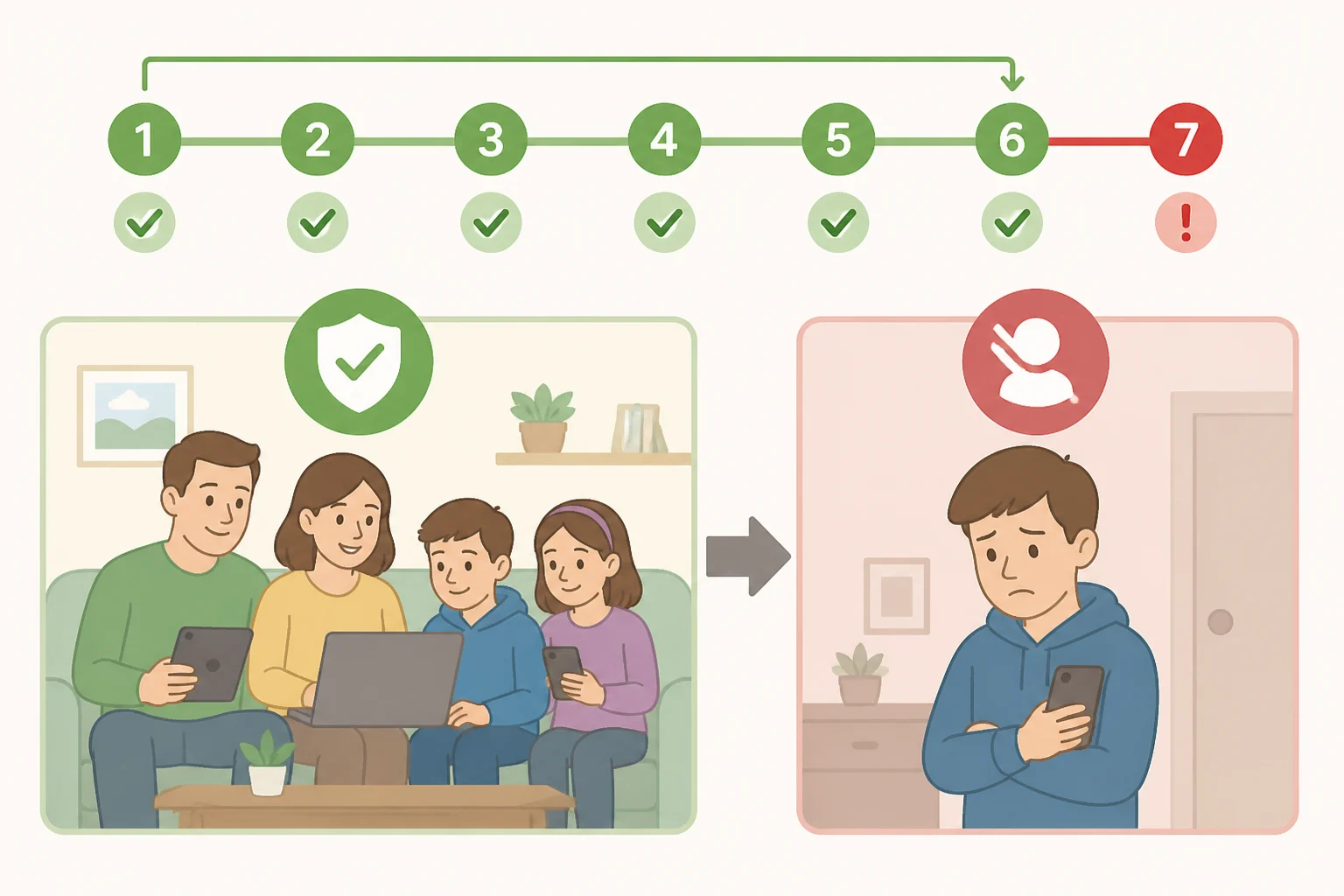
The consequence is blunt. A member who fails or misses the seven-day window gets locked out of the shared plan, per Engadget, and can't join a different Family or Duo plan for 12 months from the date verification failed, a restriction also reported by TechCrunch. Instead of waiting out that lockout, affected members would need to shift to an individual plan they pay for themselves, TechCrunch reports.
That option costs more, though. U.S. Premium Individual runs about $12.99 to $13 a month, versus $21.99 to $22 for Family, which covers up to six accounts (Engadget, PCMag). Losing shared access is a real monthly cost increase, not a minor inconvenience.
There's at least one cheaper workaround for a specific group. For college students whose parents manage the family plan, PCMag notes that Spotify's student plan, which bundles ad-supported Hulu, runs about $6.99 a month in the U.S., a cheaper landing spot than full individual Premium if a scan genuinely isn't going to happen before the deadline.
Spotify's support documentation can shift without notice as the company keeps adjusting this system, so it's worth checking the current penalty terms in the app rather than assuming last month's policy still applies exactly as described.
Why Spotify says this isn't a crackdown
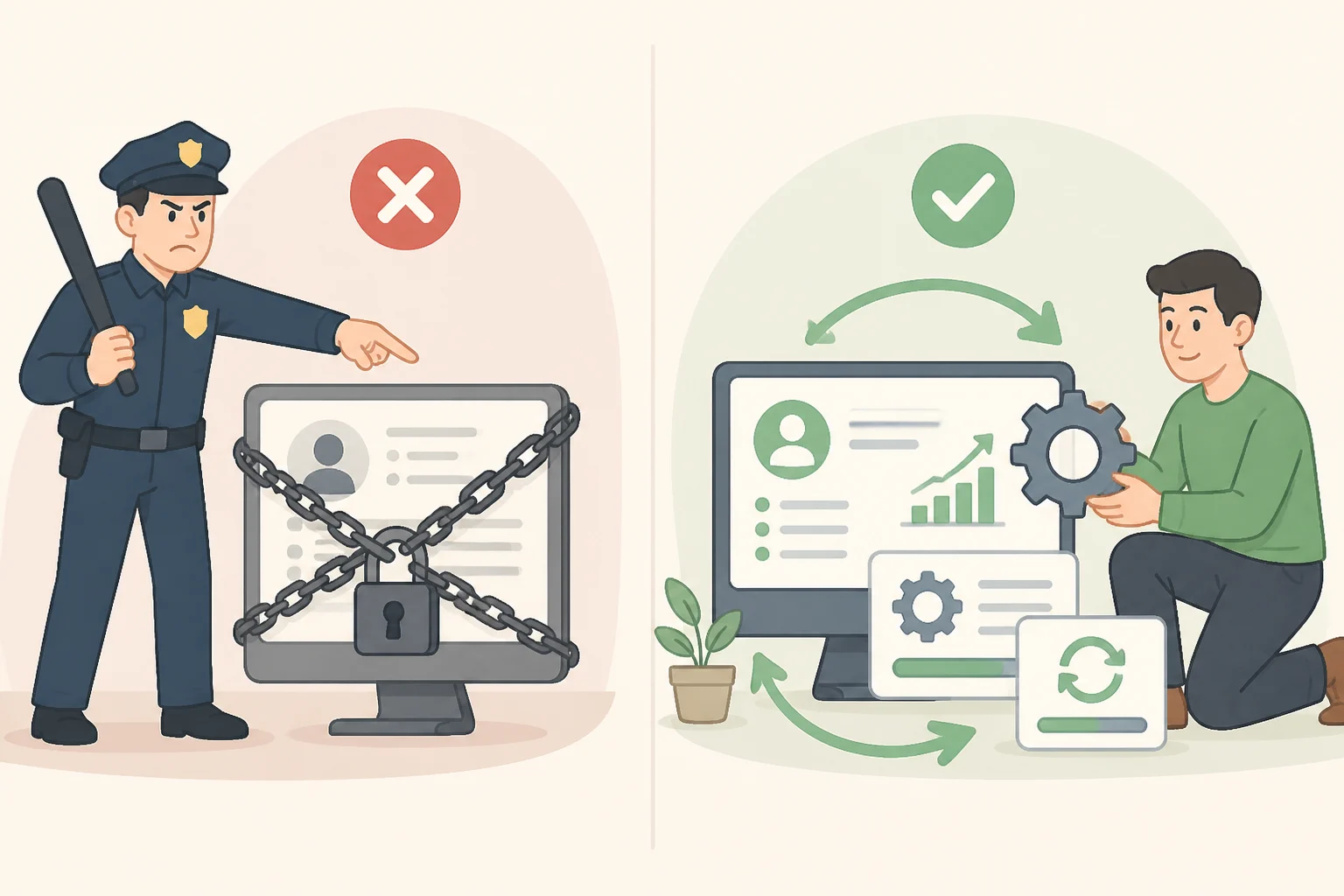
Norström pushed back on that word directly during the earnings call, calling the rollout "a routine improvement of our verification methods for our Family Plan" rather than an enforcement sweep (The Verge, TechCrunch).
Scale matters here. Family Plan has existed for roughly 12 to 13 years and makes up what Norström called "a pretty significant proportion" of Spotify's subscriber base, per Engadget. This isn't a small pilot group getting prompted at random; it's a change touching one of Spotify's oldest and largest plan tiers.
TechCrunch characterized the move as an attempt to push people who split a Family plan across separate households toward paid individual subscriptions instead. That's TechCrunch's read on the business logic, not a motive Spotify stated outright on the call.
What Spotify did state plainly is that this has no finish line. Norström said the verification system "is not something that has an end date" and "is not an implementation that is going to complete," adding that Spotify will keep adjusting as users "find holes around it" (The Verge). A clean scan today says nothing about what the process looks like at the next request.
What to check before a notification arrives
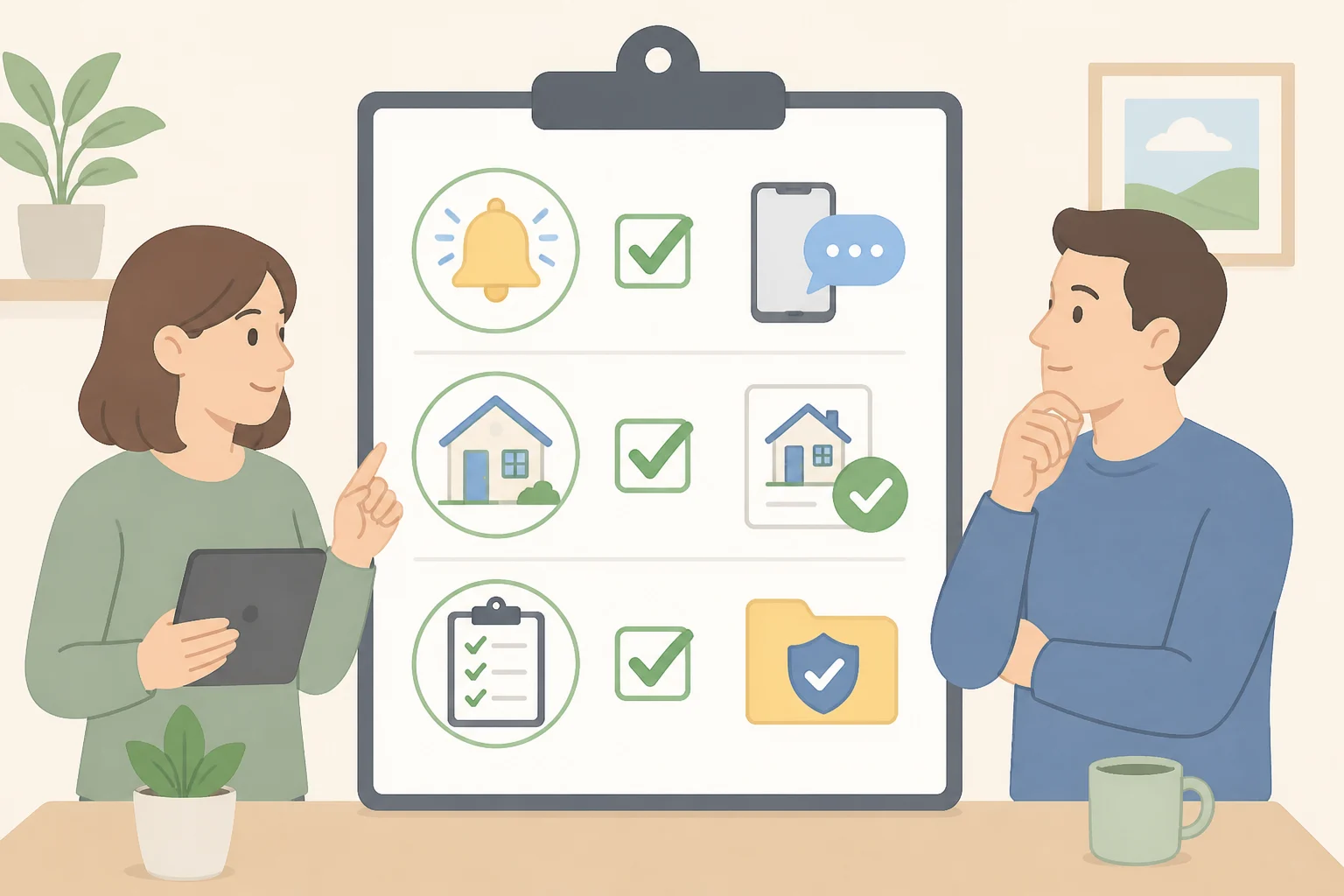
Plan managers should keep the Spotify app updated on their own phone first. The code generation step depends on running a current version, per TechSpot, and an outdated app on the manager's side could stall verification for a member who legitimately lives in the same home.
For members, a few things are worth sorting out now rather than after a prompt lands:
- Update the Spotify app rather than waiting for a notification. Verification only runs on current app versions, TechSpot reports.
- Check that email and in-app notifications tied to the account are ones actually monitored, since the seven-day window starts the moment Spotify sends the prompt.
- Plan how an in-person scan would happen if the member doesn't live with the plan manager day to day. Some Reddit users have reported scanning a shared code over a live video call, as noted by PCMag and Engadget, but that's a user-reported workaround, not a method Spotify endorses, and Norström's comments suggest Spotify intends to keep closing gaps like this over time.
- If an in-person scan genuinely isn't possible before the deadline, students away at school, frequent travelers, deployed service members, weigh an individual Premium subscription or the cheaper student plan against risking the 12-month restriction.
Spotify has made clear this process isn't a one-time check. Treat a successful verification as a snapshot of the moment, not a guarantee the next request will work the same way.