Carrie TV Series First Look: Major Changes Flanagan Confirmed
Prime Video released first-look images this week from Mike Flanagan's eight-episode Carrie series, and they settle one question immediately: this is not a period piece. Summer H. Howell, a 22-year-old Canadian actor who auditioned against roughly 1,000 other young actresses for the title role, plays a version of Carrie White dropped into the social-media age, per Deadline. The supporting cast, seen in character for the first time, includes Siena Agudong as Sue Snell, Alison Thornton as Chris Hargensen, Amber Midthunder as Miss Desjardin, and Matthew Lillard as Principal Grayle, per ScreenRant.
That casting reveal arrived alongside a wave of interviews in which Flanagan explained, at some length, why he isn't trying to replicate what already exists. "De Palma adapted it faithfully and beautifully 50 years ago," Flanagan told Entertainment Weekly. "The only way to approach it was to build something new out of the ingredients of Carrie." The novel has already generated three direct feature adaptations, in 1976, 2002, and 2013, plus the 1999 spinoff The Rage: Carrie 2, per Deadline. Flanagan's pitch is that the TV format lets Carrie expand rather than compress.
Flanagan serves as showrunner and writer, directs four of the eight episodes, and is joined by Stephen King as executive producer, per ScreenRant. The series premieres this fall on Prime Video in more than 240 countries and territories, though no exact date has been announced.
Three structural decisions separate this version from everything before it: a rewritten origin that forces Carrie into public school for the first time, a mother rebuilt from the ground up, and a season-long telekinetic mythology drawn from parts of King's novel that prior adaptations left alone.
Prime Video Carrie series: what Flanagan changed and why
Video of the Day
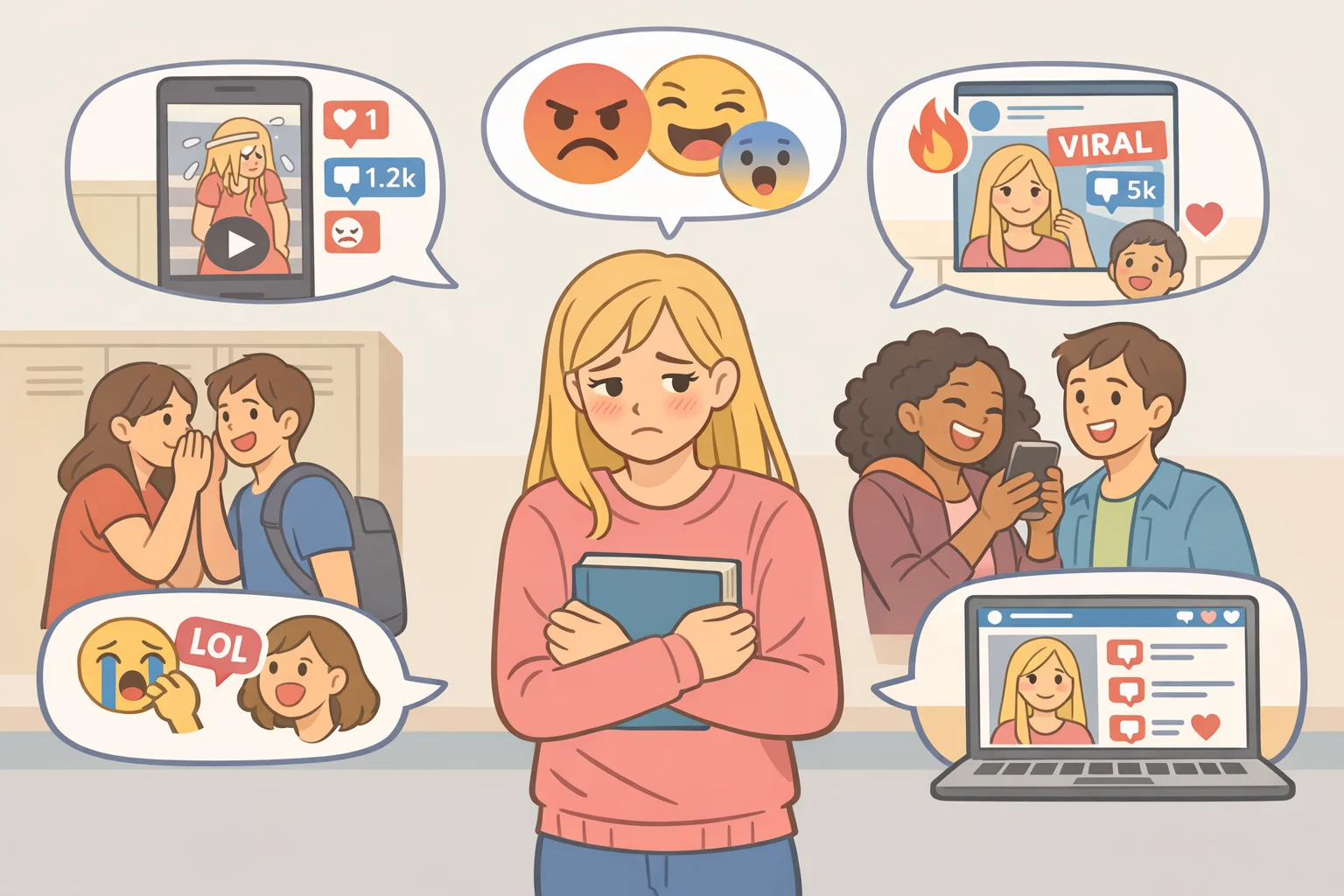
In King's novel, Carrie's father dies in a construction accident before she is born, and she has attended public school for years by the time the story begins. Flanagan moves that death to her adolescence. The timing matters: it's his father's death that makes the family visible to the state for the first time and propels Carrie into public high school at the exact moment her telekinetic powers are emerging, per ComingSoon.
The official synopsis picks up from there: "After her father's sudden, untimely death thrusts her into the unforgiving ecosystem of public high school, Carrie is forced to navigate a viral bullying scandal that tears through her community, the relentless pressure and casual cruelty of the social-media age, and the awakening of mysterious telekinetic powers that rise alongside her adolescence," via IGN. Flanagan's framing suggests that King's original themes, mob humiliation, public exposure, the horror of being watched and recorded, translate directly to a world where the audience for cruelty is unlimited and the footage doesn't disappear.
The difference in scale is worth noting. The novel's cruelty plays out in a small town where everyone already knows each other. Online, humiliation has no geographic limit and no expiration date. Whether the series makes that contrast land is a question the first-look materials don't answer, but the structural logic is clear enough.
The prom remains, per IGN. Flanagan has confirmed that familiar events from the novel, including the prom night climax, are still in the series, but that viewers will reach them "a completely different way" and that the events themselves will be "completely different," calling the chance to redesign the sequence "wonderfully delicious and irresistible," per ScreenRant. He has not elaborated further.
Video of the Day
The reimagined mother: when protection becomes the trap
King's Margaret White is not a complicated villain. She is an abusive religious zealot who punishes curiosity, suppresses questions, and controls her daughter through fear. That clarity is part of what makes the novel's horror legible. Flanagan is dismantling it.
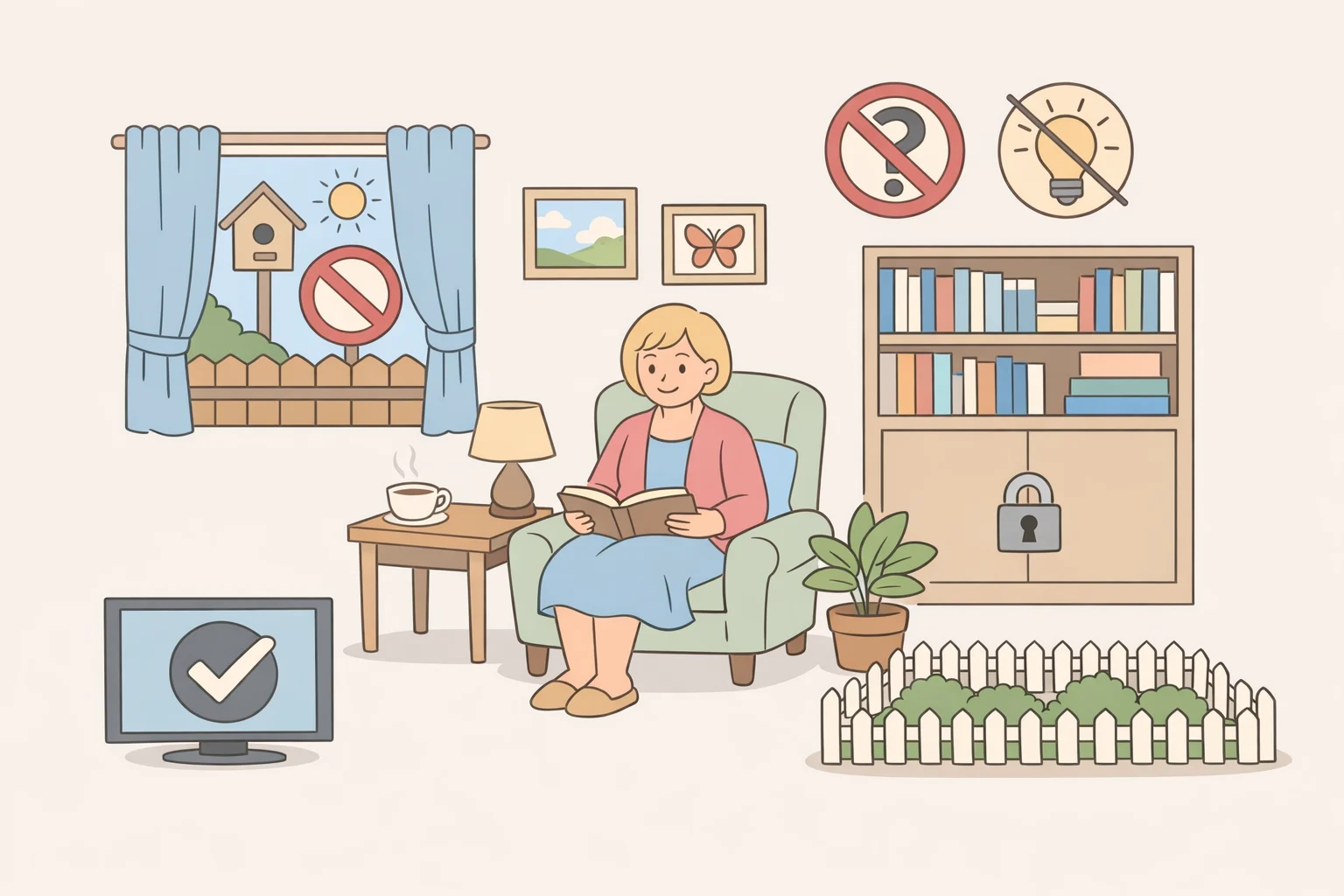
His Margaret "fiercely loves her daughter" and has built what he describes as a "private utopia," a home where curiosity is nurtured and the outside world is simply kept out. "She thinks the way to protect her is to close her off, not punitively," Flanagan explained. "It's a completely different dynamic," per ComingSoon. Samantha Sloyan, a recurring presence across Flanagan's previous work, plays this version of Margaret, per ComingSoon.
The revision shifts the horror from overt cruelty to something harder to categorize: a mother whose grief and love have curled into isolation, whose protection becomes indistinguishable from control because she cannot see the difference. That is different dramatic territory than the novel maps, and more psychologically specific.
The tradeoff is real. King's Margaret functions as one of horror fiction's most unambiguous portraits of religiously motivated abuse. Making her loving changes the moral weight of everything that follows, including what it means when Carrie's powers finally turn outward. The series appears to be betting that a more complex mother produces a more complex story. Whether audiences who know the source material will accept that exchange is genuinely unresolved.
The telekinetic mythology: TV's structural advantage over film
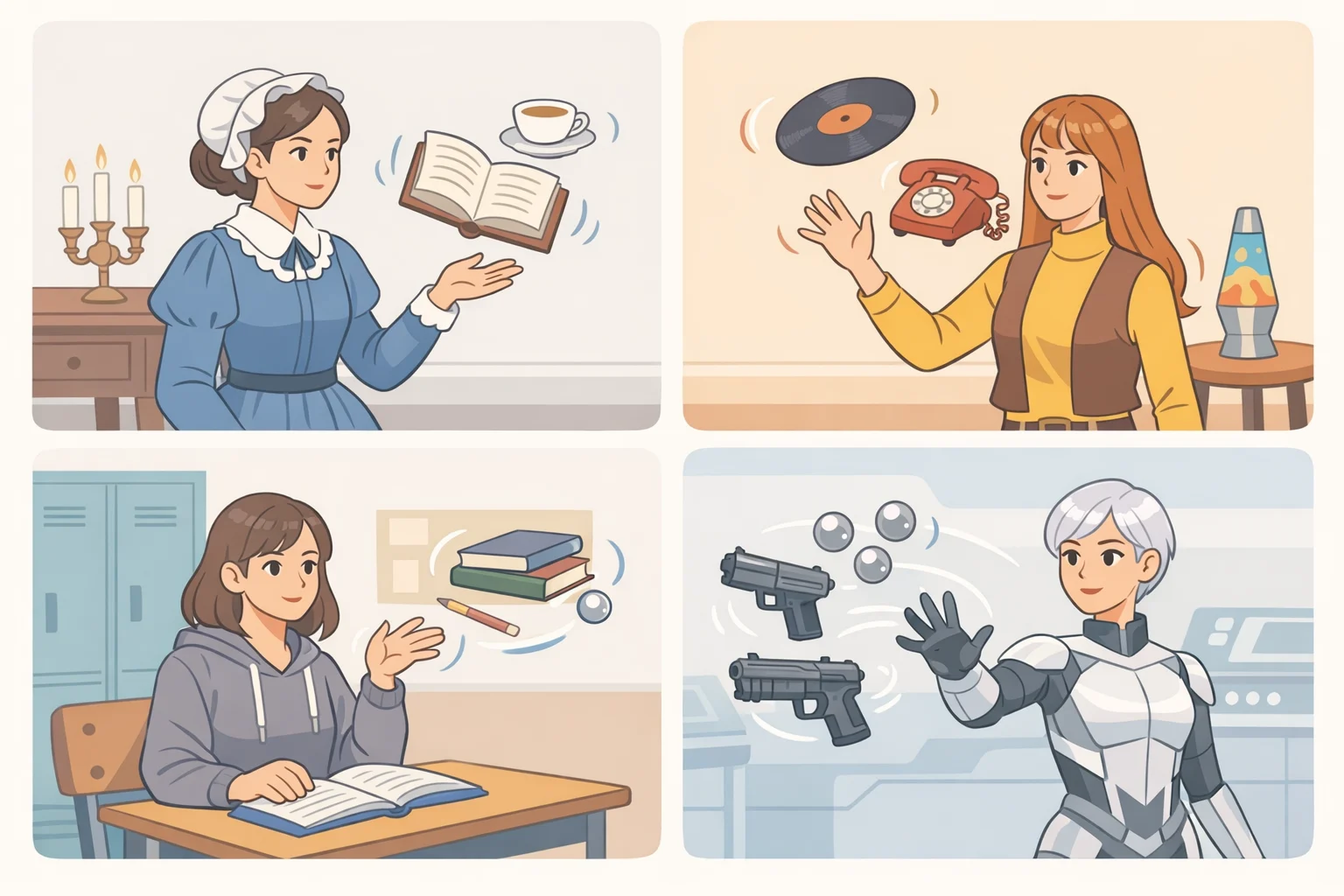
Starting with the second episode, each installment opens with a standalone story: a different woman, a different location, a different moment in history, reckoning with telekinetic abilities. The structure runs through seven of the eight episodes, per ScreenRant. De Palma's 1976 film did not address how others throughout the world share these powers, per ScreenRant, and no feature adaptation had the runway to try.
Flanagan is not inventing mythology from scratch. King's novel already references a hereditary "TK gene" to explain the biological basis of Carrie's abilities, and includes fragments, courtroom testimony, police reports, scientific investigations, 911 calls, that hint at other telekinetic cases throughout history, per ScreenRant. The series appears to build entire narratives from those fragments. "She's part of a sorority of very gifted women and just doesn't know it," Flanagan said. "The book absolutely points at that, but that was something we could pick up and run with," per IGN.
Done well, the structure could reframe Carrie's story as part of a longer inheritance, women across time with a specific power and no one to explain it to them. Done badly, seven cold opens set across different eras eat into the intimacy and claustrophobia that made the original so effective. That structural tension is the adaptation's biggest unresolved gamble, and first-look materials don't settle it.
What remains unknown
Flanagan's case for this version is coherent on paper: expand into mythology rather than compress into a climax, update King's themes without discarding them, and give the mother-daughter dynamic a different kind of weight. Whether those bets pay off in execution is something no first-look interview can resolve.
The biggest open questions are the prom sequence, which Flanagan has conspicuously declined to describe in any detail, and how the episodic cold opens connect to Carrie's main story both structurally and emotionally. A trailer will answer more than this coverage has. What's still missing is a release date, and Prime Video has not indicated when one will be announced.