Lucky Anya Taylor-Joy Apple TV Series Premieres to Divided Critics
Anya Taylor-Joy's Lucky hits Apple TV+ today, and early reviews of the seven-episode limited series are split. Critics agree on the performance. They disagree, sometimes pointedly, on whether the show built around it holds up. That divide is the story with the Lucky Anya Taylor-Joy Apple TV series at launch, more than the casting or the streamer behind it.
The series, adapted from Marissa Stapley's 2021 novel and produced by Reese Witherspoon's Hello Sunshine, strips out what made the book distinctive and replaces it with a more conventional crime-thriller frame, The Hollywood Reporter reported today. What survives is a woman on the run from a mob boss, an FBI agent, and the criminal life her father built for her.
Two episodes are available now. The remaining five drop weekly every Wednesday, with the finale on August 19, per Deadline.
What the adaptation changed and what it kept
Video of the Day

Lucky spends a final night in Las Vegas with her husband Cary (Drew Starkey) before the two plan to flee the country with nearly $10 million stolen from gangster Wayne Whittaker. The theft was orchestrated by Lucky's incarcerated con-man father, John (Timothy Olyphant). Lucky wakes up the next morning alone, per THR.
The pursuit runs on two tracks: mob boss Priscilla Matheson (Annette Bening) and her enforcer Dutch (Clifton Collins Jr.) want the money back, while FBI agent Billie Rand (Aunjanue Ellis-Taylor) is working to bring everyone down, THR reports. Familiar architecture. Woman on the run, criminal inheritance she never asked for, enemies converging from opposite directions.
Stapley's novel centered on Lucky's search for her birth mother and her possession of a winning lottery ticket. The series discards both. THR asks plainly why the source material was needed at all if what Apple, Tropper, and Hello Sunshine wanted was a show about a reluctant con woman with a con-man father. Readers of the novel should treat this as a loose character transplant: Lucky's psychological weight and criminal inheritance carry over; the plot mechanics that gave the book its shape largely don't.
Taylor-Joy's involvement shaped the adaptation from the start. Witherspoon called her directly about producing the series together, and Taylor-Joy told The Hollywood Reporter yesterday she committed because she felt she had "a take that would serve the story well." This isn't a standard casting arrangement. She's a creative architect here, which explains both the departures from Stapley's book and the degree to which the show is constructed around her specific abilities.
Video of the Day
Lucky cast Anya Taylor-Joy Timothy Olyphant: what critics say

Taylor-Joy is the one point of consensus across reviews. TIME describes the performance as combining the physicality of Furiosa, the precision of The Queen's Gambit, and the unsettling quality that has been her signature since The Witch, calling her "a consummate action hero." Variety is more direct: "a fantastic Anya Taylor-Joy." Every review leads with her. None suggests the show functions without her.
Bening draws a different kind of attention. As the series' main antagonist, Priscilla is "a cipher brought very partially to life by a great actor," in THR's phrasing. The role as written doesn't appear to match what she's capable of, and it's the sharpest specific critique in the early reviews. Olyphant's imprisoned father and Ellis-Taylor's FBI agent round out a cast built for prestige; how fully the series uses any of them is a question the back half will answer.
Where critics diverge: structure and pacing
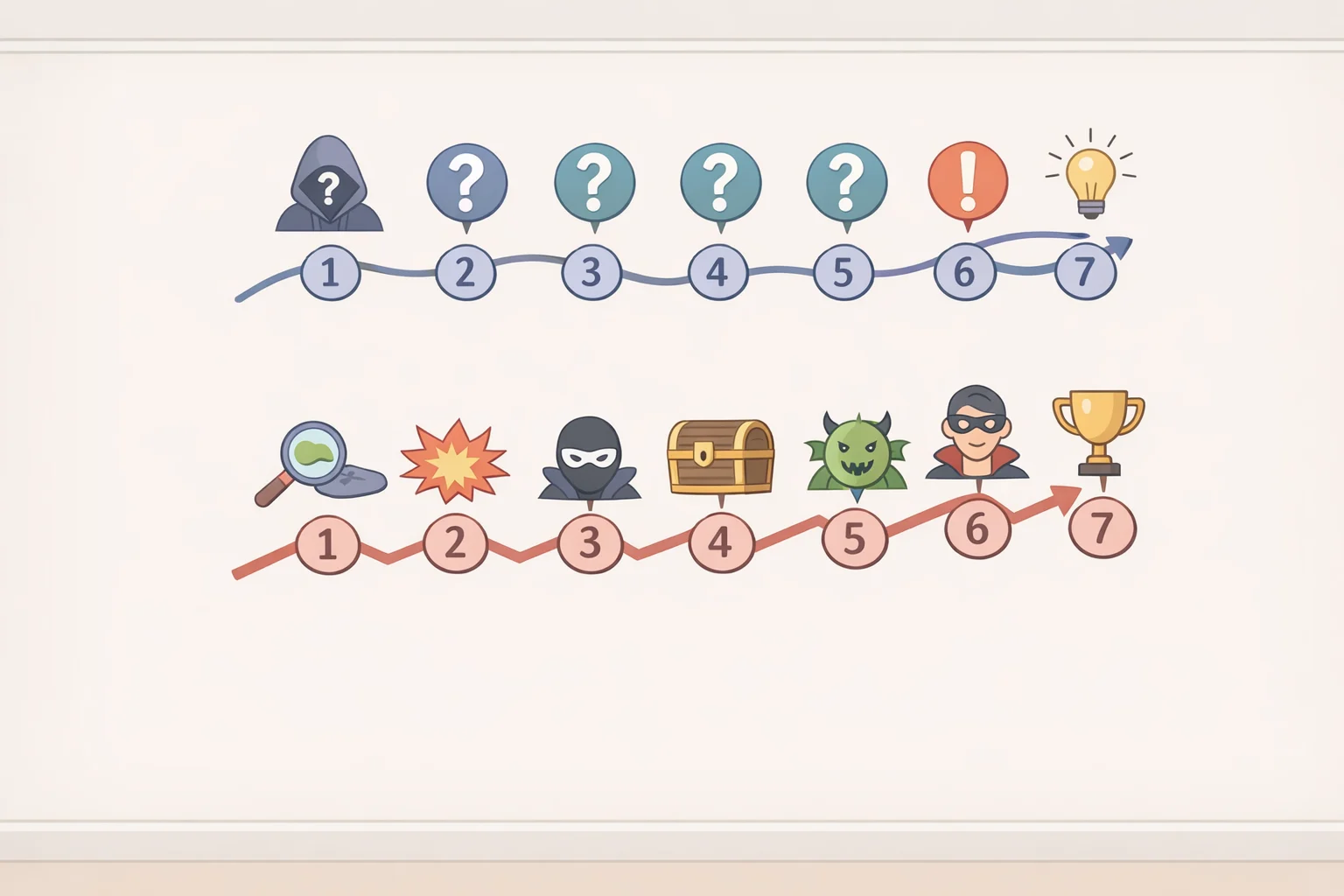
The seven-episode count is where reviews break cleanly. TIME credits showrunners Jonathan Tropper and Cassie Pappas with keeping the story to seven episodes when another team might have padded it to ten. The praise is specific: Tropper and Pappas control viewers' access to characters' motives, loyalties, and backstories, withholding information without coming across as manipulative. TIME reads that restraint as the show's structural backbone.
THR reads the same count as a liability. The series is "exactly the wrong length," with the final two episodes building toward a climax where every twist lands exactly when expected. Seven episodes, in THR's view, is enough space to expose the thinness of the plotting but not enough to fix it.
The one moment THR singles out as genuinely effective is a car chase in episode four, directed by Jet Wilkinson, filmed in Long Beach standing in for San Diego. It's the series' most visceral sequence, and it sits wedged between a slow build and an ending THR found predictable. The show has peaks; what's unresolved heading into the weekly drops is whether they're distributed well enough to sustain the full run.
Production and rollout
Lucky was created by Jonathan Tropper and co-showrun with Cassie Pappas, who previously worked on Silo, produced by Hello Sunshine for Apple TV+, per TIME. The supporting cast, confirmed by THR, includes Bening, Olyphant, Ellis-Taylor, and Starkey, a lineup that signals Apple's intent to position this as a major summer drama rather than a mid-tier genre exercise.
Taylor-Joy told The Hollywood Reporter yesterday that returning to television "feels wonderful" because it gives her "seven hours rather than two" to develop a character. It's her first television work since The Queen's Gambit, and that framing suggests the format itself was a genuine draw, not just the project.
The split will settle as episodes drop

The critical divide over structure will clarify as the weekly releases accumulate. What won't change is the adaptation context, and that's the piece worth carrying into the first two episodes.
As THR makes clear, this is not Stapley's Lucky. The character's name and criminal inheritance are the foundation; the plot mechanics that made the novel distinctive have been cleared away. Viewers who arrive knowing that are better positioned to assess the show on its own terms. Those who came because they loved the book are working with different expectations the series, by design, won't meet.
THR's concerns about predictability in the final episodes are on the record. Whether TIME's confidence in Tropper and Pappas proves correct is what the next five Wednesdays will determine. The finale lands August 19.